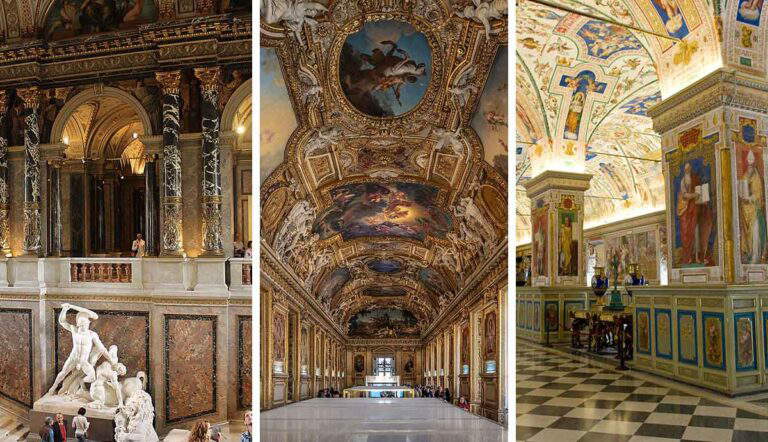
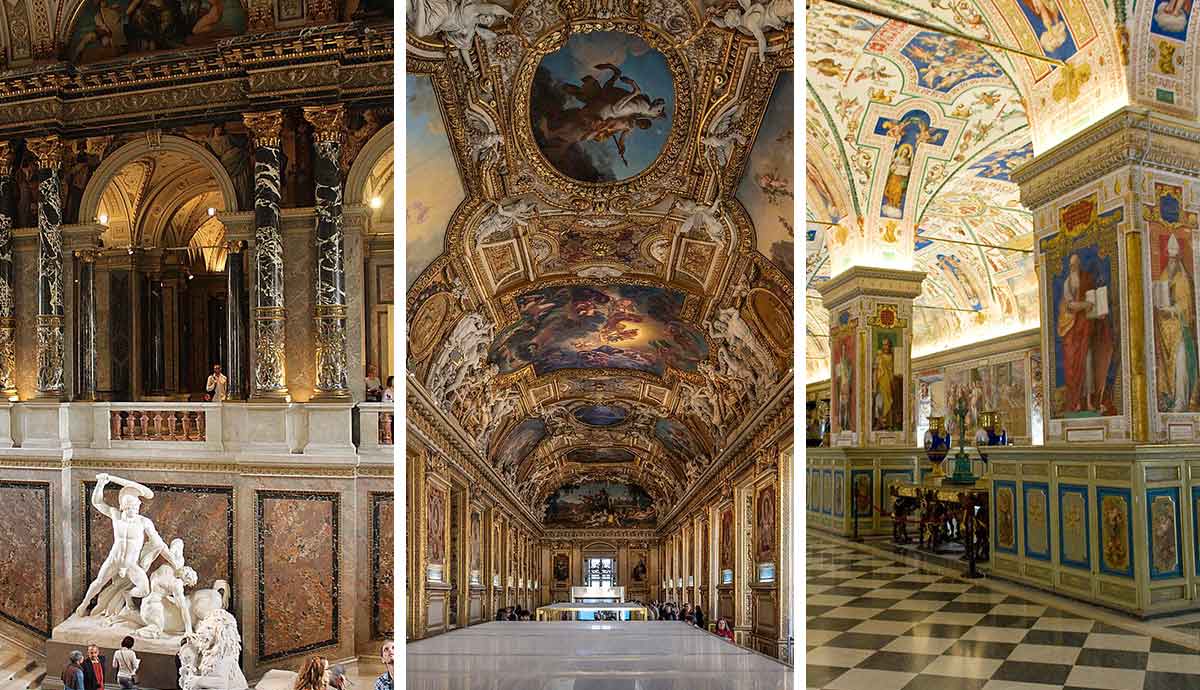
Long before museums became rainy weekend destinations, they were places of control and authority. Objects were gathered by popes, monarchs, scholars, and city governments, and it was they who decided what was worth keeping and, primarily, who was even allowed to see it. Public access came later, often at a time when governmental buildings were finally opened up. Visit the oldest museums in the world today, and you are not stepping into blank, modern containers built for a purpose. You are moving through spaces that carry centuries of fascinating history.
1. Capitoline Museums, Rome, Italy
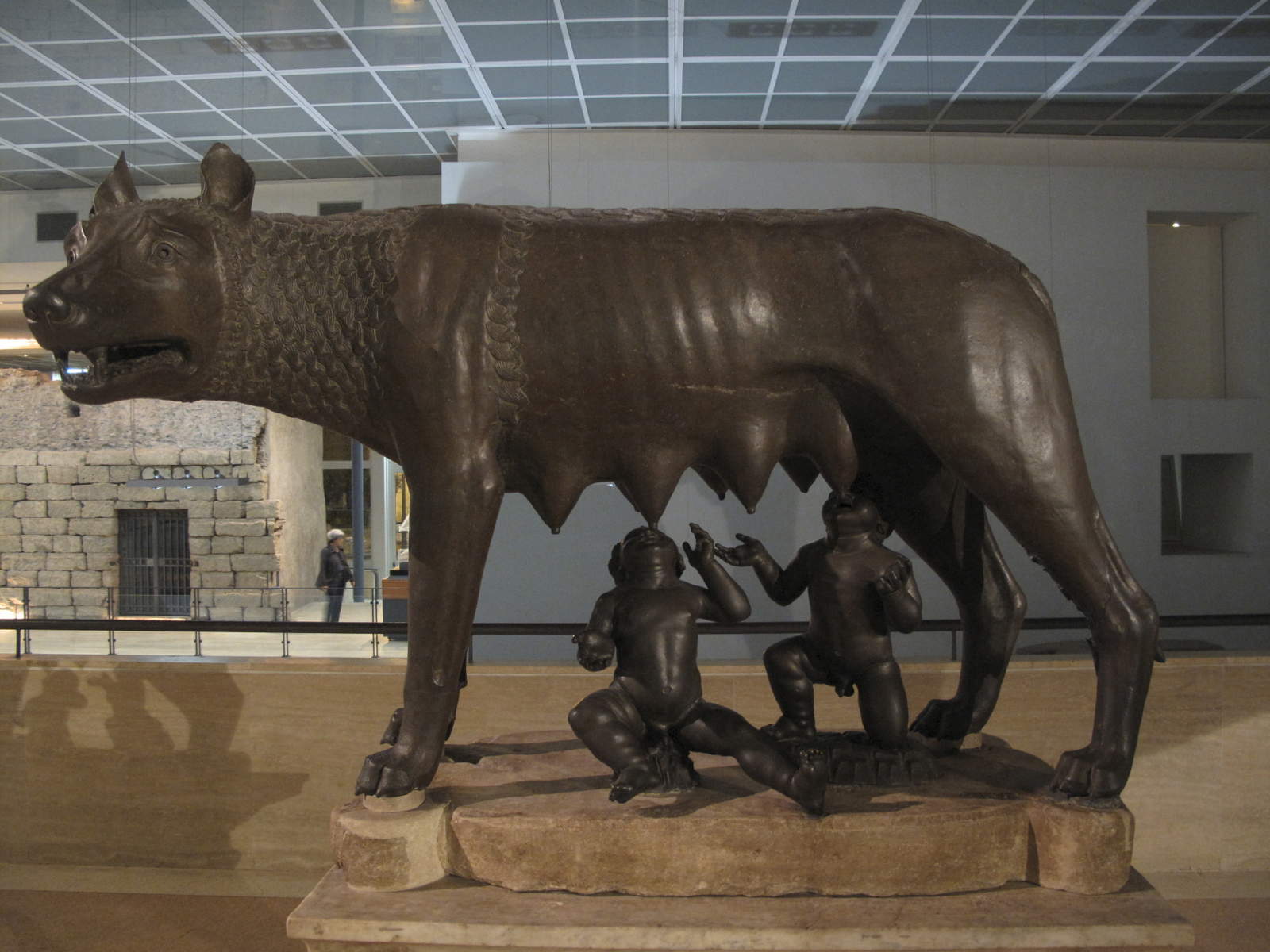
Often dubbed THE oldest museums in the world, Rome‘s Capitoline Museums were created after a very blunt decision made in 1471 by Pope Sixtus IV (of Inquisition infamy). The forward-thinking cleric handed a group of ancient bronze statues to the city of Rome, including the Capitoline She-Wolf, shifting control of precious artworks away from the Church and into civic hands.
The statues were installed inside buildings used for Rome’s municipal administration, and the eclectic setting is a huge appeal nowadays. You walk through halls designed for stately officials, with imposing statues of emperors and gods positioned where they once gathered.
2. Vatican Museums, Vatican City
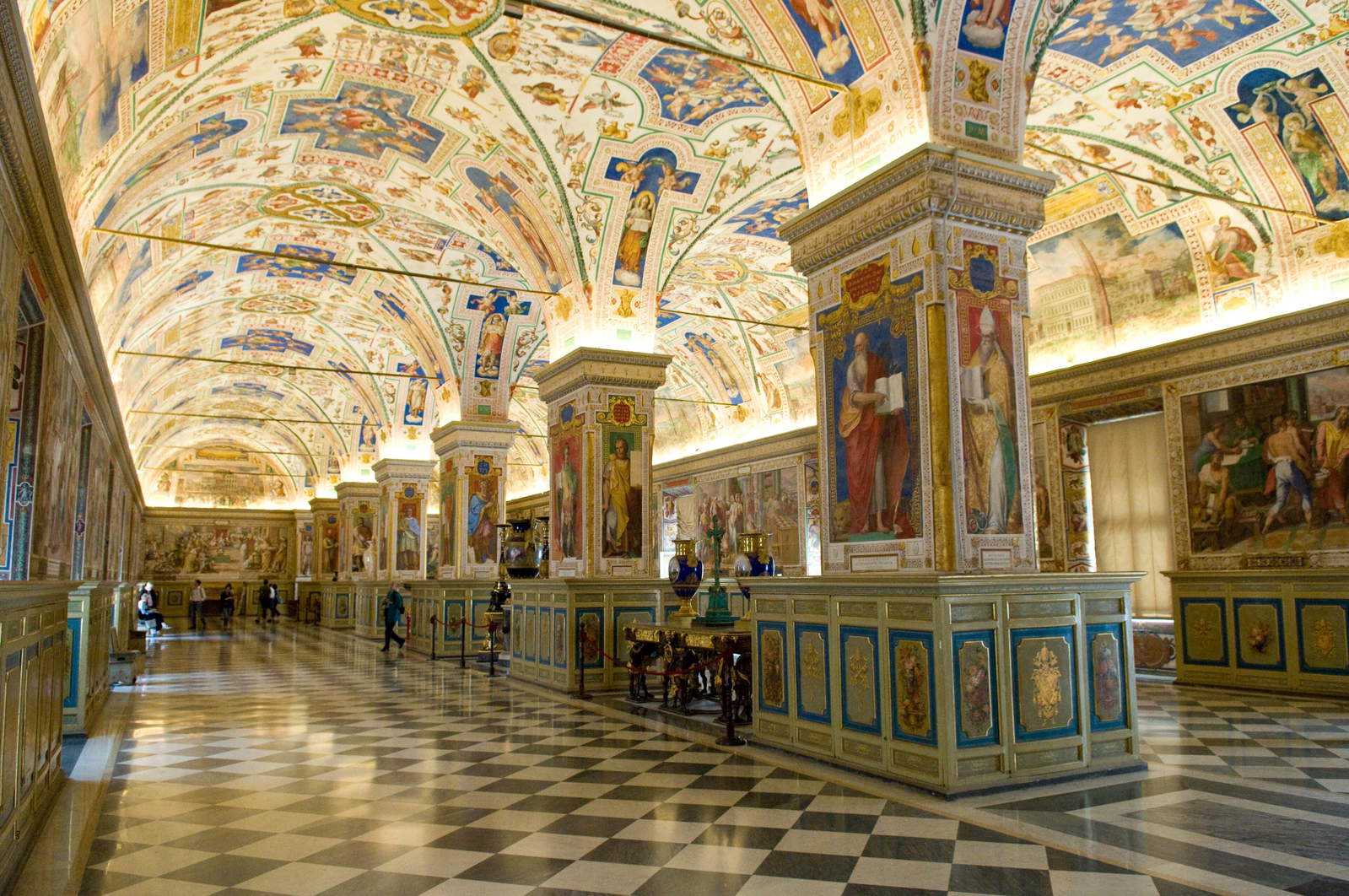
The Vatican Museums were founded in 1506, when Pope Julius II put the recently excavated Laocoön Group on display in the Vatican. The sculpture had been unearthed in Rome and immediately attracted attention from artists and scholars.
Over the next two centuries, popes kept adding sculptures, paintings, manuscripts, and scientific objects to the collection. Access was still tightly controlled, though, and early visitors were usually scholars or diplomats. Public access expanded slowly, but the original concept of exclusivity still somehow rings true. Considering it can take you hours to gain entry to the Vatican Museums today, that old-school snobbery has not exactly gone extinct.
Don’t miss the Gallery of Maps on the Belvedere Courtyard. It’s where you’ll find a collection of detailed topographical maps that show a united Italy about 300 years before actual unification occurred.
3. Uffizi Gallery, Florence, Italy
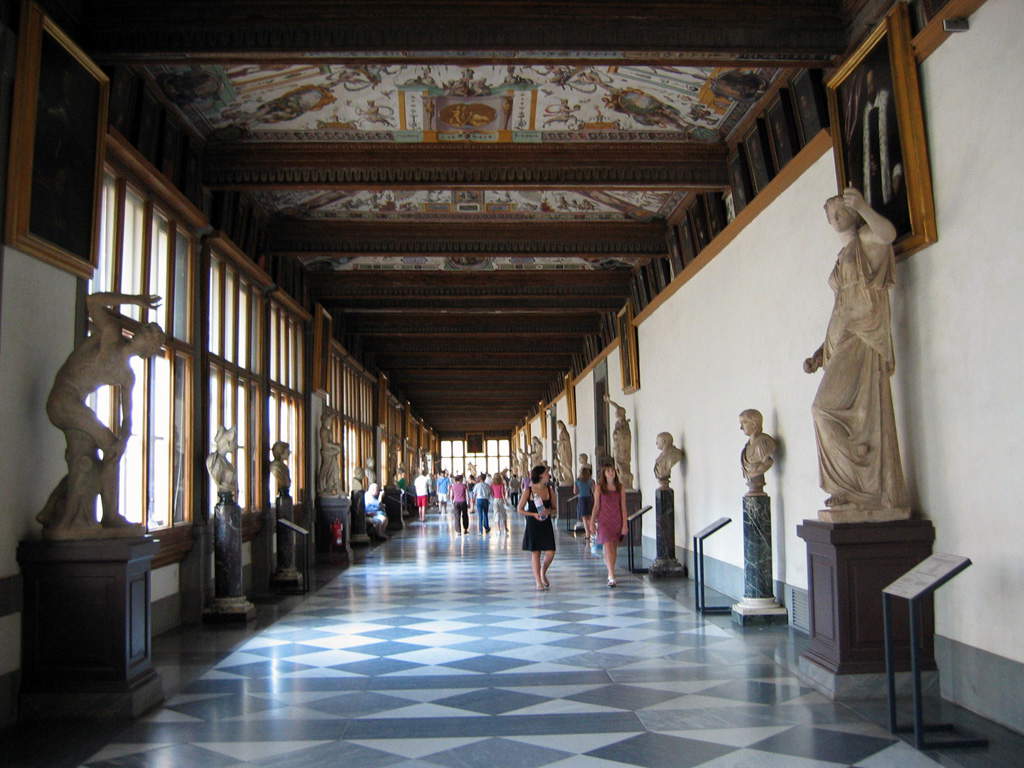
Construction of the Uffizi (“Offices” in Italian) began in 1560 and was commissioned by Cosimo I de’ Medici to house Florence’s magistrates. Paintings in the upper floors and along the corridors didn’t appear until much later.
Those paintings signaled the patronage and influence of the Medici family, and when the lineage ended in 1737, Anna Maria Luisa de’ Medici left the collection to the city under one firm condition: that it never leave Florence. That single clause froze a powerful family into a permanent public institution, and into the Italian history books forevermore.
4. Ashmolean Museum, Oxford, UK
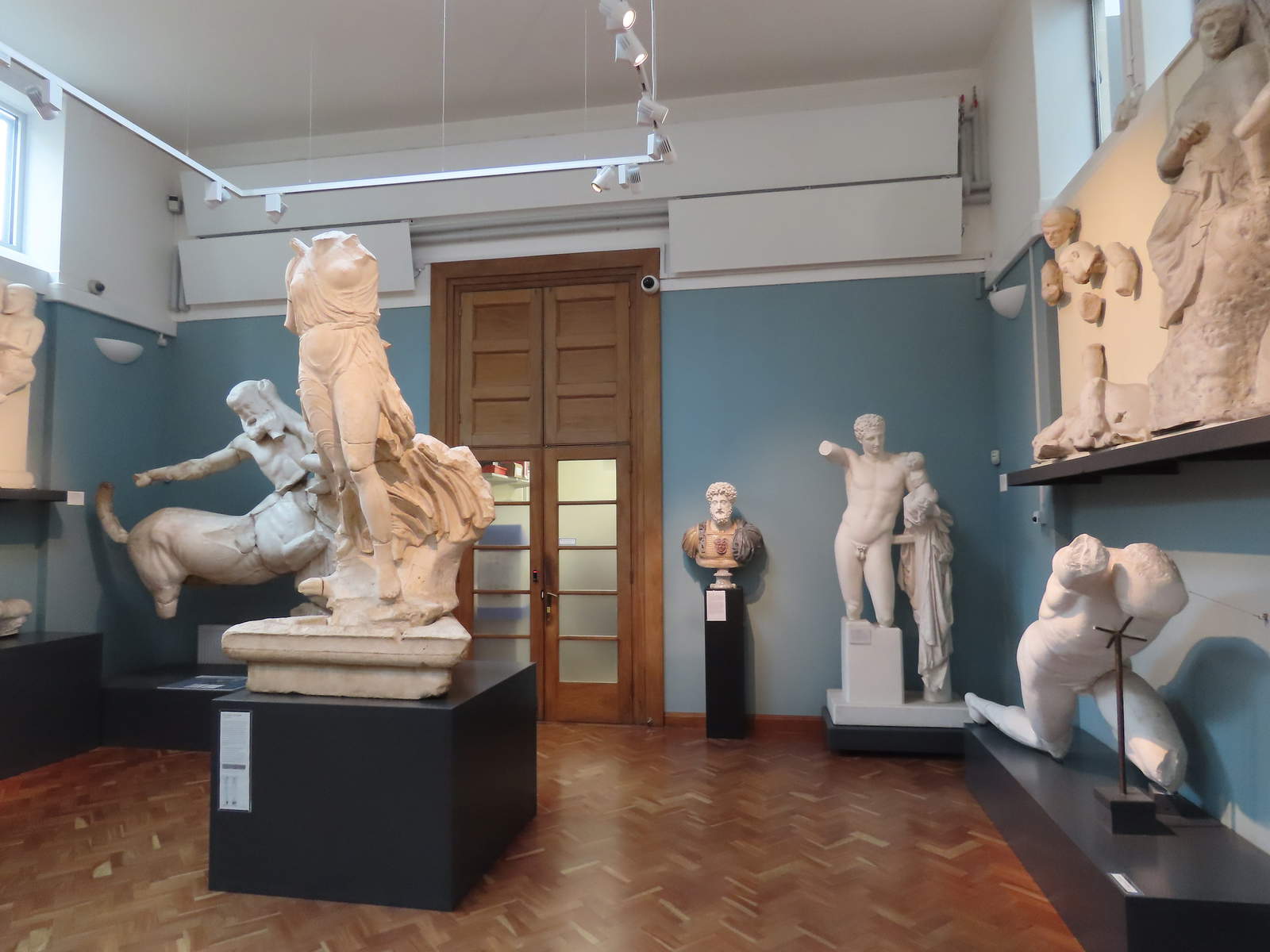
The Ashmolean opened in 1683 and is often called the first purpose-built public museum. It was created around the collection of Elias Ashmole, a scholar and collector with interests that ranged from ancient coins to botanical specimens.
What made the Ashmolean different was its connection to the University of Oxford. Objects were cataloged and studied as part of teaching and research, with early labels focusing on classification, context, and comparison.
5. Louvre Museum, Paris, France
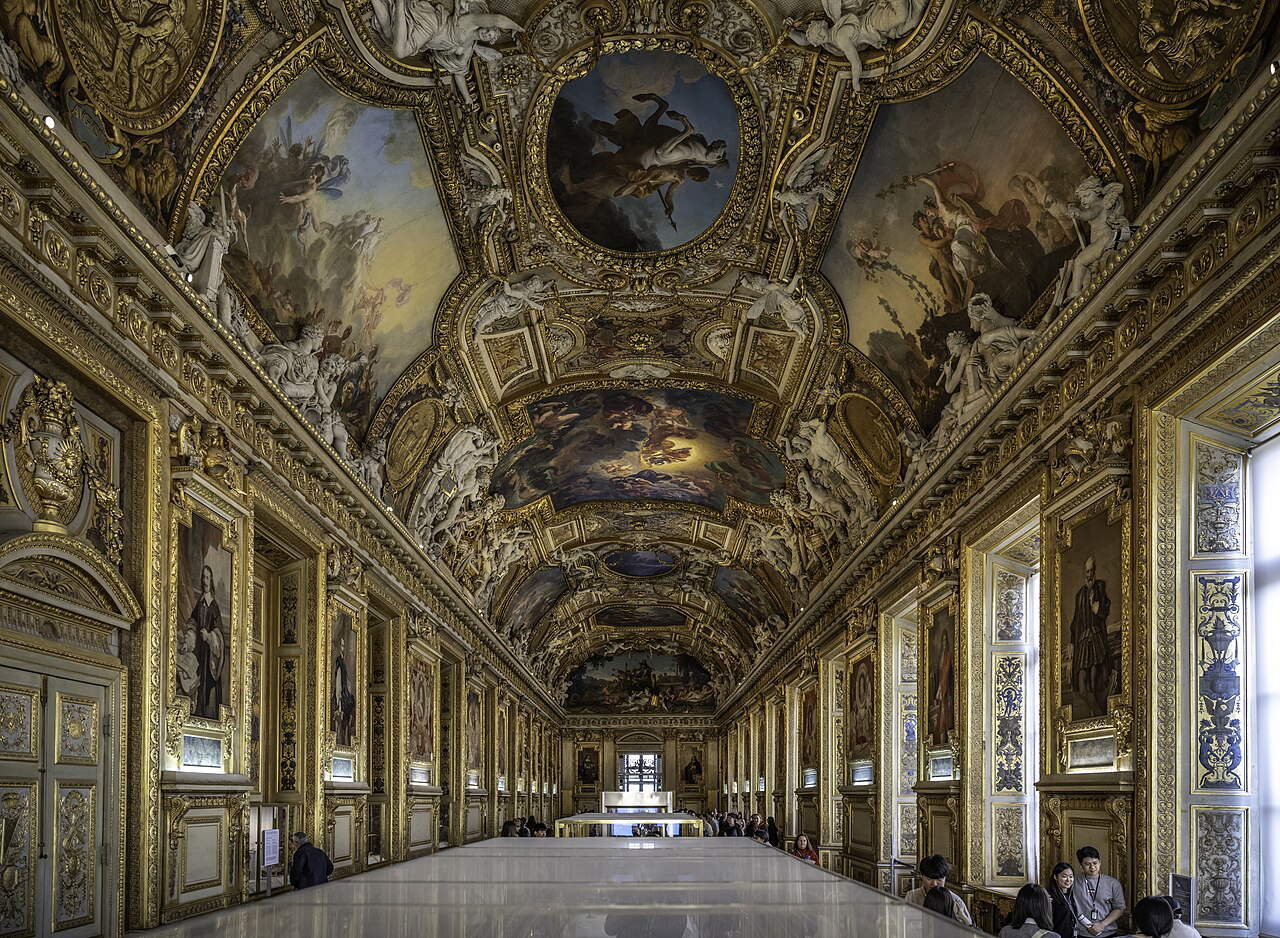
The Louvre is one of the world’s oldest museums, yet it still manages to make headline news every now and then. The building itself is quite adept at rebranding itself, truth be told, going from medieval fortress to royal residence, then museum, then world-class heist site.
The decision to turn it into a museum was a deliberate political statement, at a time when art admiring was reserved for the monarchy. As a “take that” moment, it was seized and finally handed over to the people of France. The Louvre is considered quite sacred in the country to this day, as it stands as a symbol of arguably the most pivotal time in its history.
6. Museo del Prado, Madrid, Spain
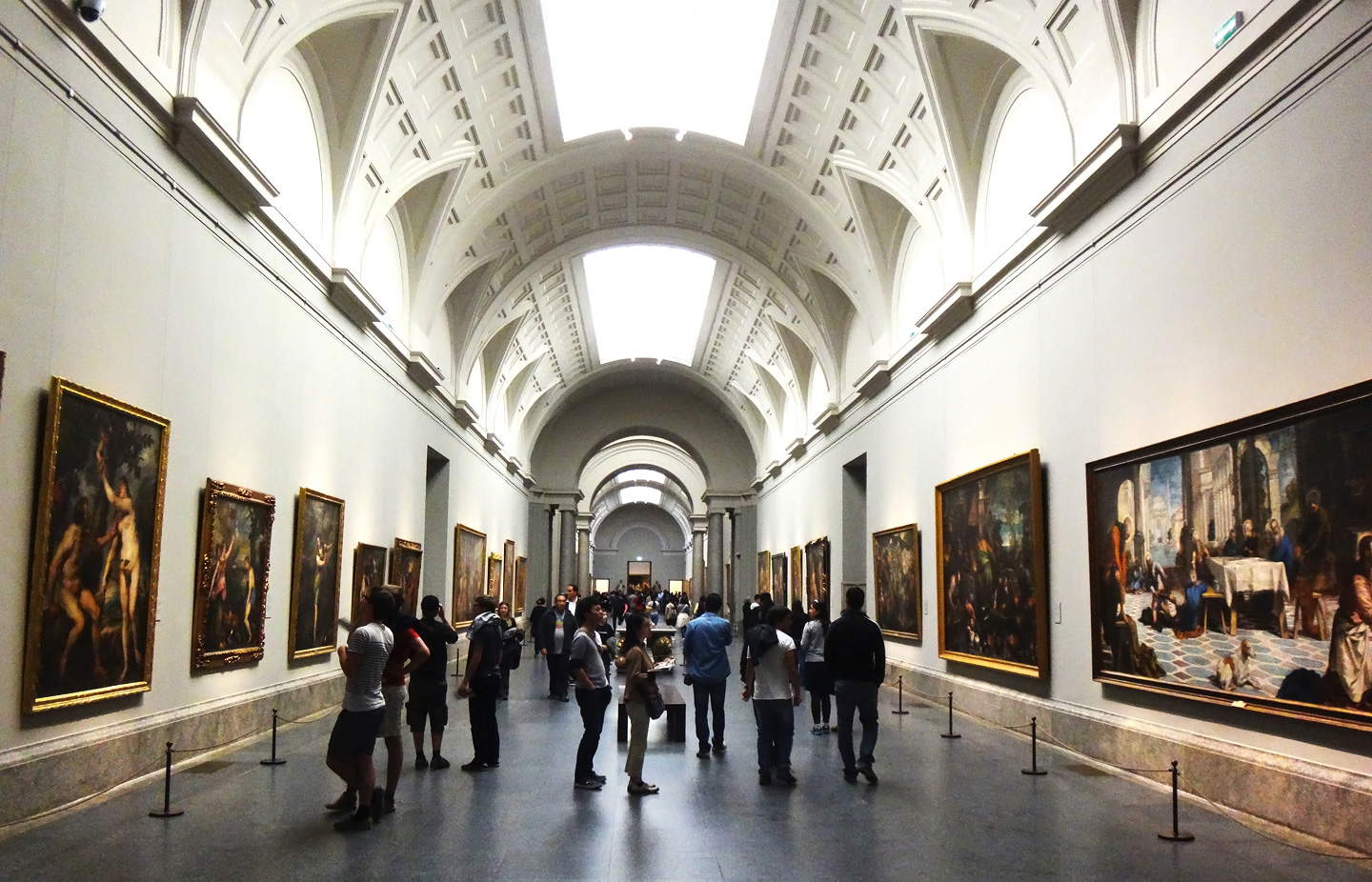
The Prado opened in 1819, using Spain’s royal collections, many assembled under the Habsburg monarchy. From the start, it was intended as a public museum, but its content remained closely tied to court culture. The collections cover hundreds of years of exquisite art, and not only is it one of the oldest museums in the world, but it is also one of Europe’s most respected.
7. National Museum of Denmark, Copenhagen, Denmark
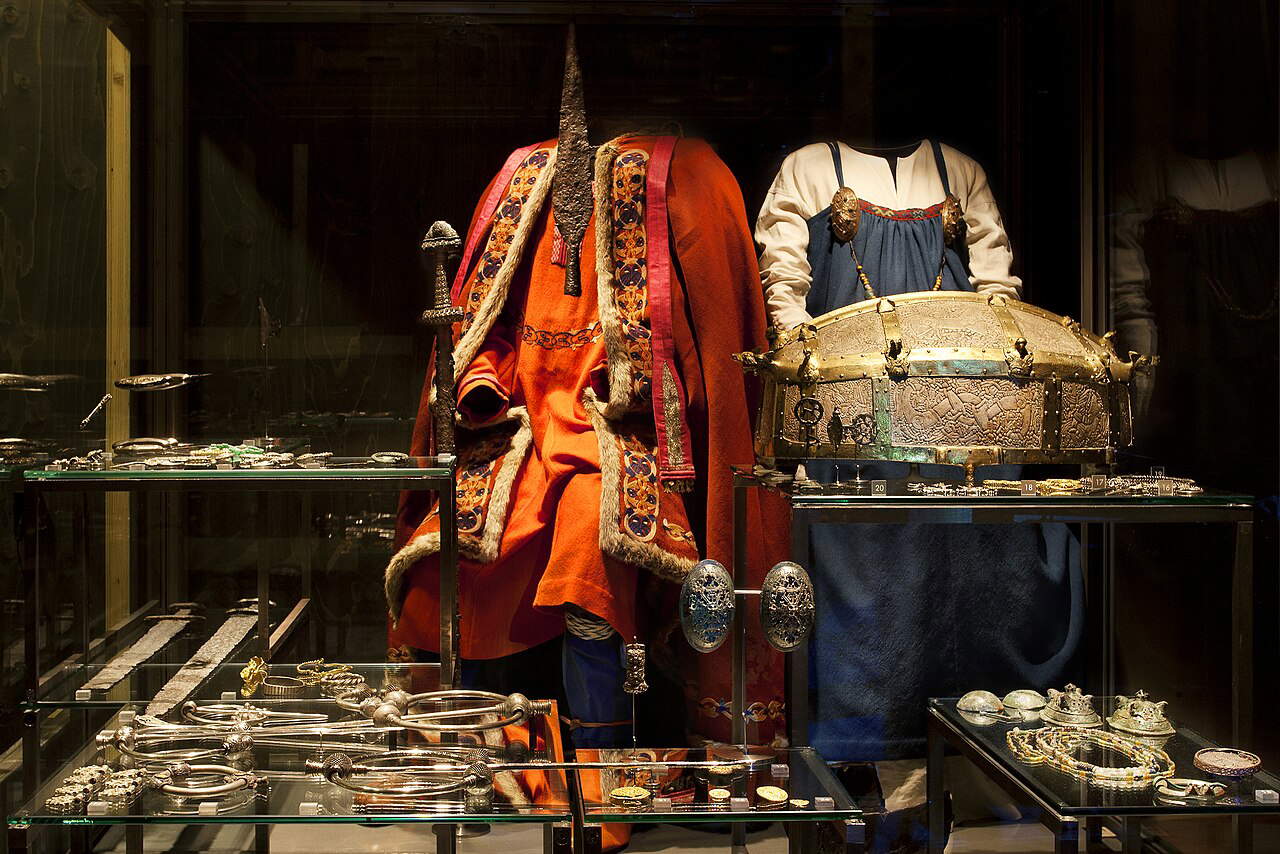
Formally established in 1807, Denmark’s national museum was primarily founded on royal collections and antiquarian research. Its founders were much more interested in how people lived, rather than just what elites owned, and the collections clearly reflect that.
The museum grouped prehistoric, medieval, and ethnographic material to explain trade and social structures at different times in history. This approach helped establish archaeology as a systematic discipline and shifted museum focus more toward understanding long-term human activity rather than individual masterpieces.
8. British Museum, London, England
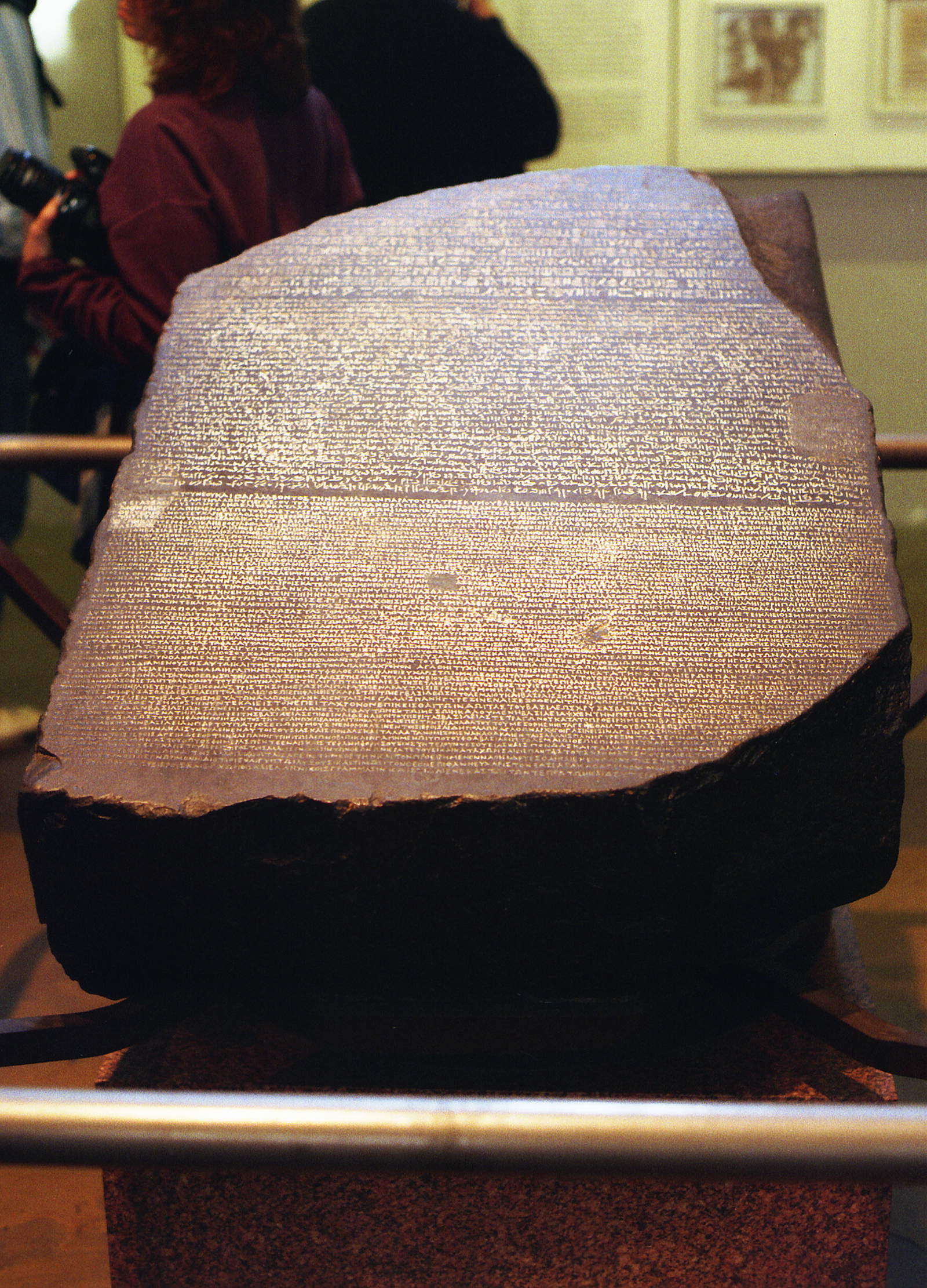
The British Museum was founded in 1753 and opened to the public in 1759. Its initial collection came from Sir Hans Sloane, whose own interests reflected the ideas of the Enlightenment, which dictated that gathering knowledge across cultures was perfectly valid. And so it gathered manuscripts, artifacts, and specimens through colonial networks that extended far beyond Britain’s borders.
As Britain expanded globally, the museum’s collections grew exponentially through excavation, diplomacy, and colonial administration. That history of “finders keepers” is still very much visible in the sheer range of objects on display from just about every corner of the world and continues to shape discussions about ownership and restitution.
9. Kunsthistorisches Museum, Vienna, Austria
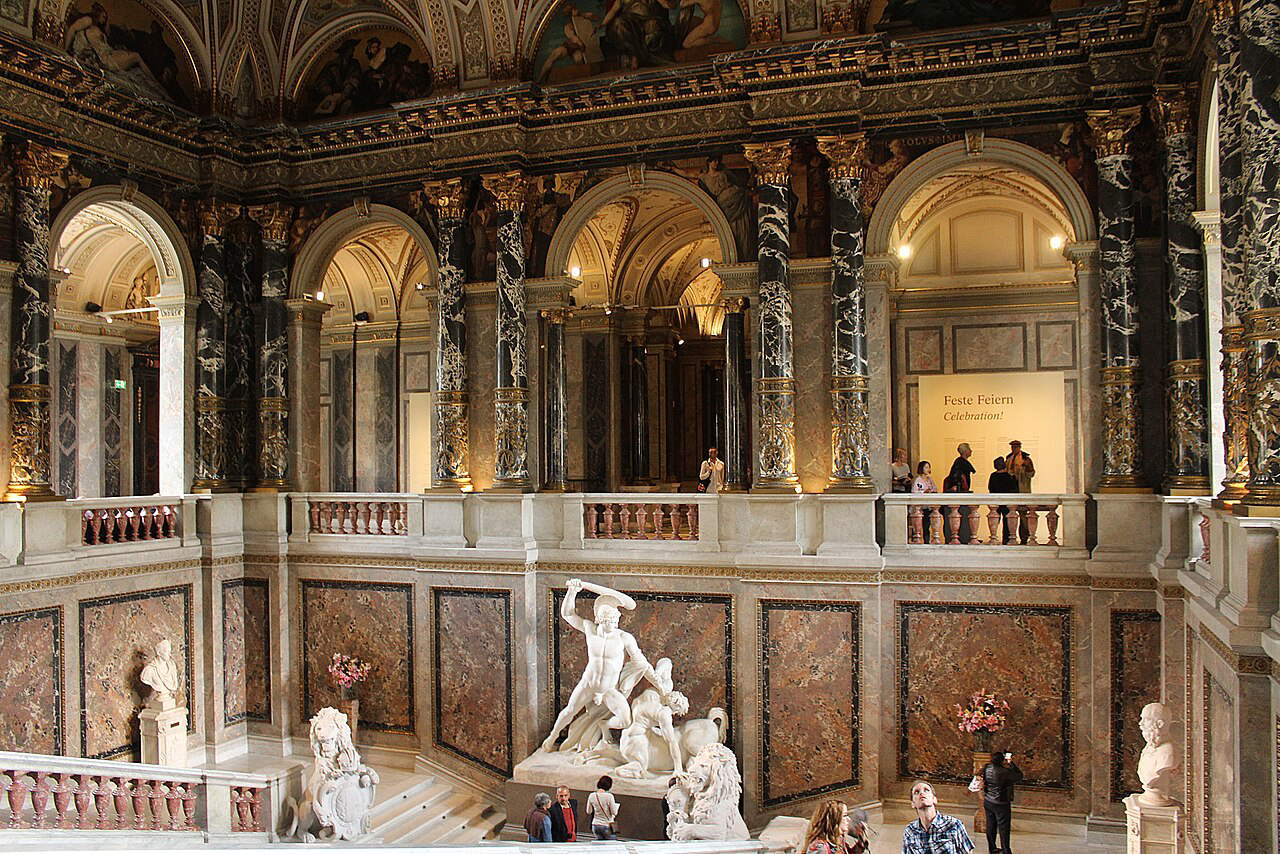
The Kunsthistorisches Museum opened in 1891 to house the collections, accumulated over centuries, of the illustrious Habsburg Dynasty. The paintings, antiquities, and decorative arts on display were gathered through a mix of birthright inheritance, patronage, and territorial expansion.
Opening the collection to the public followed much broader changes in Europe, as more and more empires began turning private collections into national institutions in the hope of appeasing public discontent and pressure to reform authority.
10. Egyptian Museum (Now Grand Egyptian Museum), Cairo, Egypt
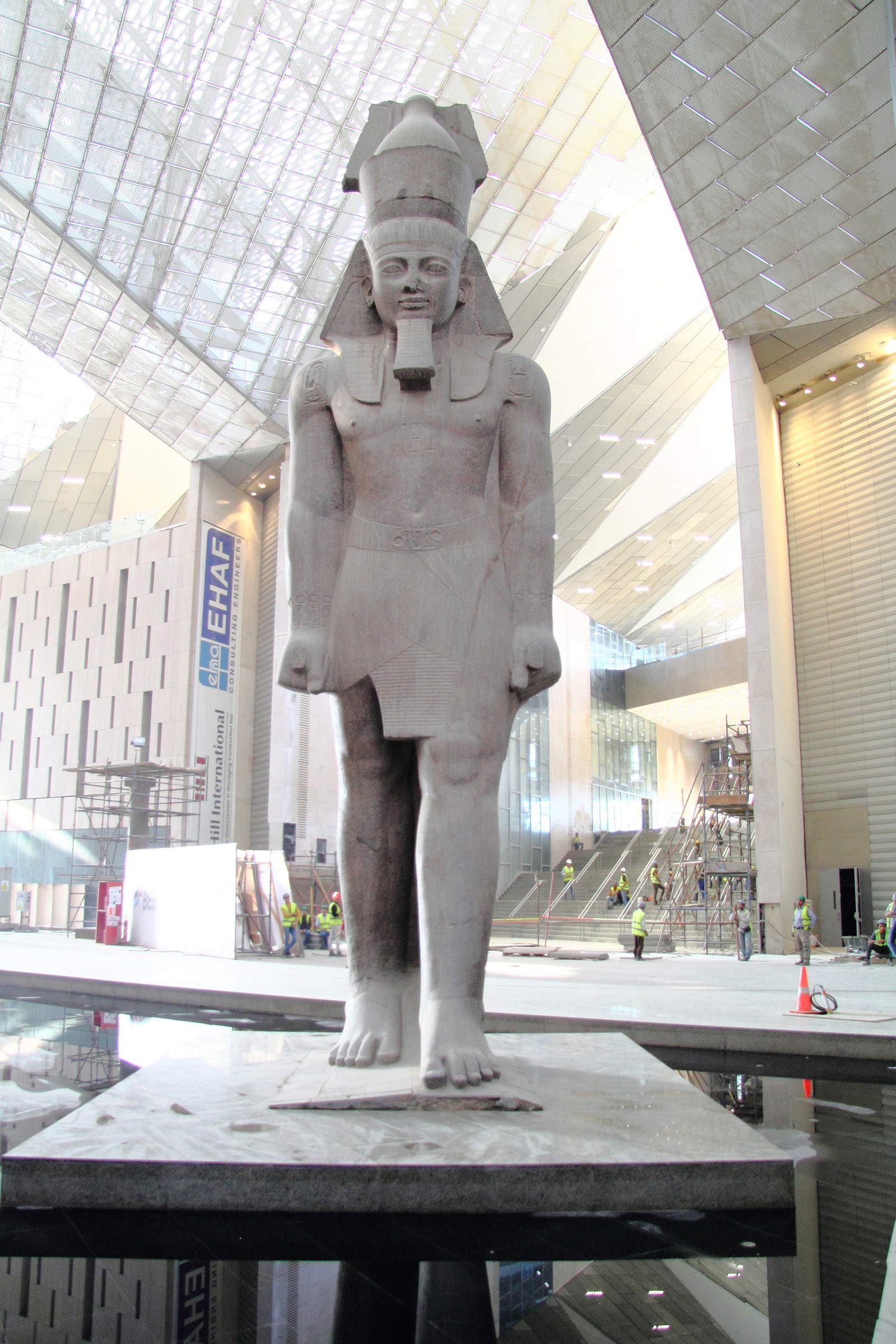
The Egyptian Museum opened in 1902, after decades of concern about the fast flow of antiquities leaving Egypt, bound for Europe. Early archaeology had often served foreign collectors first and foremost, and the museum was an attempt to keep discoveries within their country of origin.
For much of the 20th century, it housed the majority of Egypt’s major finds and shaped how ancient Egypt was presented internationally. The new Grand Egyptian Museum near Giza has opened gradually through phased previews since 2023, though the original 1902 Egyptian Museum in Tahrir Square remains open. While the building itself is new, the collection and institutional history still trace back to the early 20th century, so its placement on this list is more than deserved.