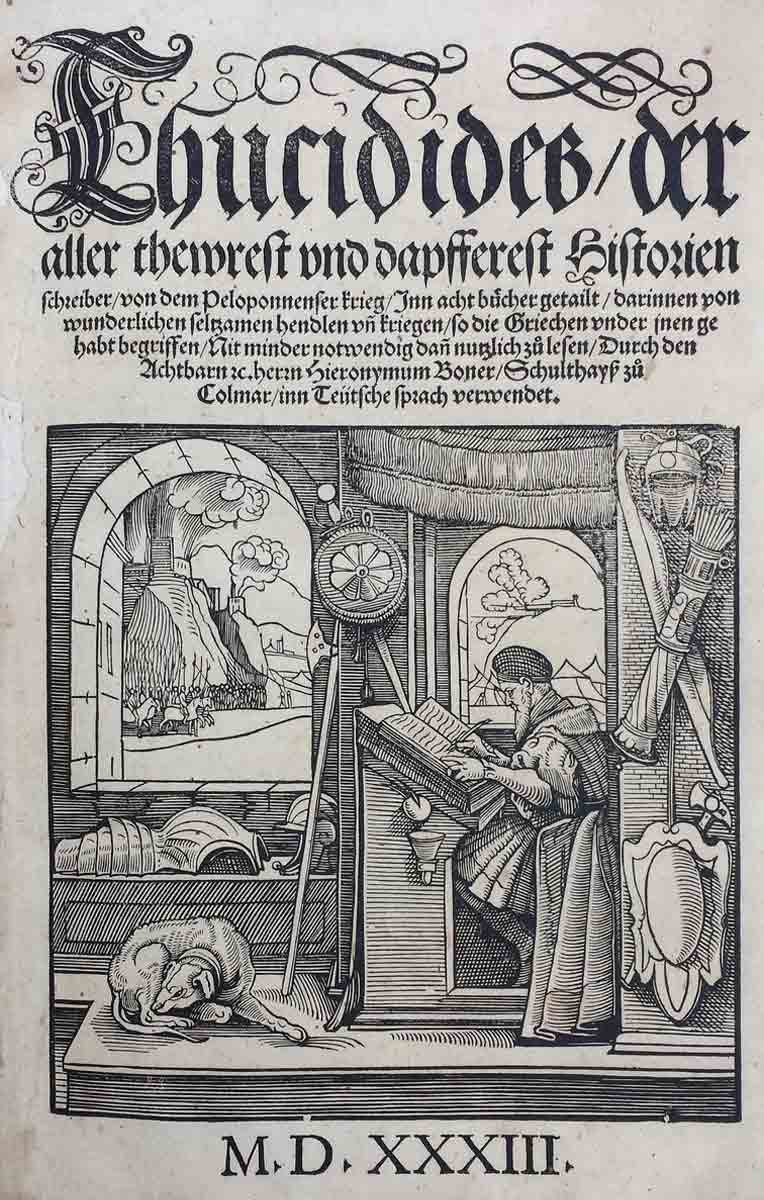
Thucydides is often hailed as one of the “fathers of history” for his matter-of-fact, chronological account of the Peloponnesian War (431-404 BC). As he put it, his work aimed to provide “exact knowledge of the past as an aid to the interpretation of the future” (1.22.4). Nevertheless, Thucydides displays clear biases and a tendency to invention. In particular, the speeches scattered throughout his eight volumes elicit skepticism. Delivered by prominent statesmen, the speeches include political addresses, exhortations on the battlefield, and even dialogues between diplomatic envoys. Thucydides acknowledged their fictive nature, based on hearsay, written reports, or educated guesses. While clearly specious, these speeches offer revealing insights into the Peloponnesian War’s leading figures.
1. Pericles (c. 495–429 BC): The Funeral Oration
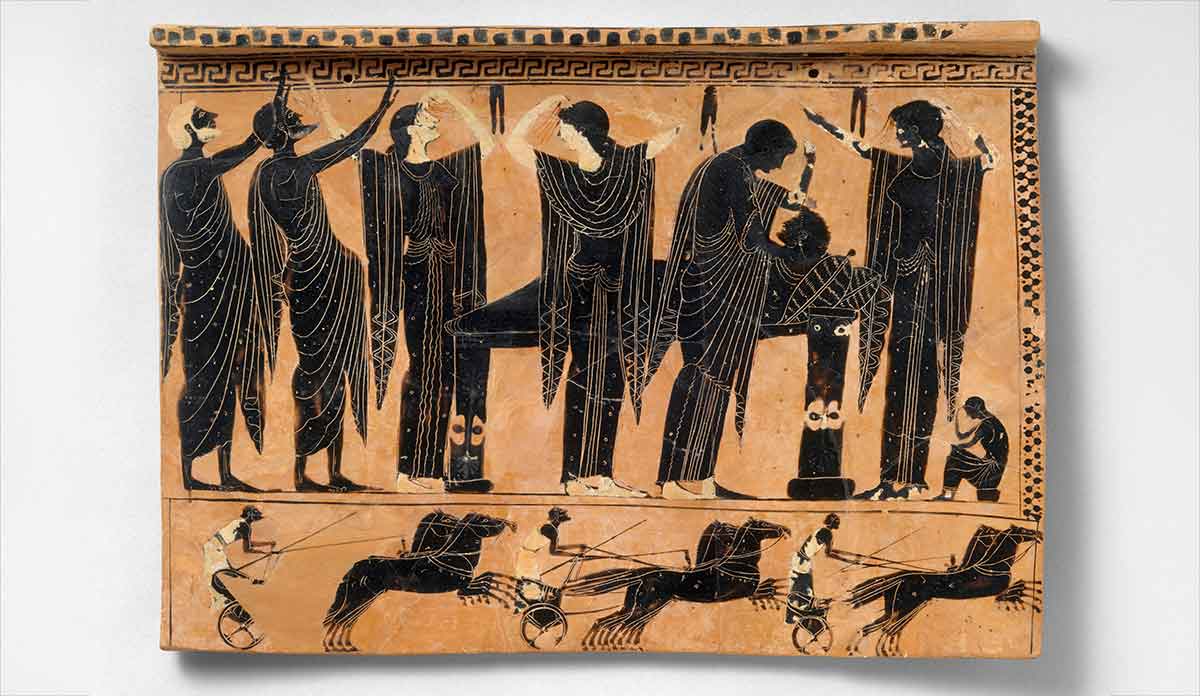
Arguably one of history’s most famous addresses, Pericles’ funeral oration was delivered at Athens’ annual public memorial for soldiers killed in the war’s first year. A patron of arts and architecture, an accomplished general, and a gifted orator with stately charisma, Pericles played a central role in ushering Athens into its golden age. By 431 BC, he was at the height of his influence.
Pericles shared Themistocles’ imperialistic ambitions. He committed much time and energy to securing a steady inflow of tributes from Athens’ allies, whose resistance he often punished by force. Indeed, he was an avid advocate of the military conduct that sparked the Peloponnesian War.
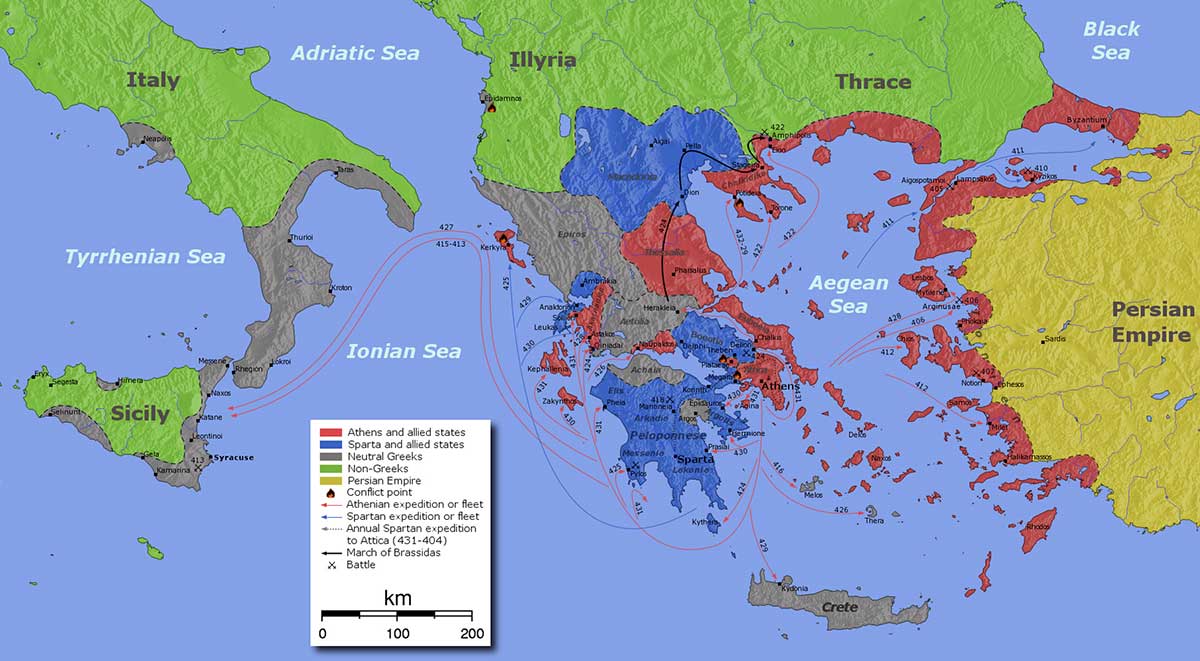
During the war’s first decade, Sparta adopted an indirect but effective strategy: raiding the Athenian countryside and denying Athens its harvests. Athens retained access to the sea and was thus able to endure the frequent incursions. But the raids drove farmers into the city walls, creating precarious conditions that soon threatened the city’s survival.
The Pericles of Thucydides’ speech tries to justify war by appealing to the sacred Athenian values it was allegedly meant to protect. Instead of dwelling on death and loss, he draws his audience’s attention to “the road by which we reached our position, what the form of government under which our greatness grew, what the national habits out of which it sprang.”
Thus begins Pericles’ eulogy to his native Athens, which he hails as “the school of Hellas” for pioneering a democracy founded on “equal justice,” meritocracy, and piety. He praises the city’s openness to foreigners, devotion to learning, and enviable synergy between freedom and discipline that defines its people’s character. He also stresses the balance between private duty and public responsibility that sustains Athens’ excellence. He closes by exhorting the living to embody “as unaltering a resolution” as their dead compatriots, who gave their lives for these ideals.
As the war’s second summer arrived, weeks after the oration, Spartan raids resumed, and a plague struck Athens. The plague lasted intermittently until 426 BC, claiming Pericles as one of its tens of thousands of victims. After his death, Athens sank into political turmoil, superstitious apathy, and moral decadence. If Pericles’ oration had instilled realistic hope in Athens’ triumph, victory over its Peloponnesian enemies was now an unlikely prospect.
2. Archidamus (died c. 426 BC): A Call to Caution
The first ten years of the Peloponnesian War are sometimes called the “Archidamian War,” after Sparta’s king Archidamus II. In 446 BC, Archidamus had negotiated a “Thirty Years’ Peace” with Pericles. The decree ended the First Peloponnesian War, a miniature (though equally vicious) version of the more notorious conflict.
Once the Second Peloponnesian War began around 431 BC, Archidamus assumed command of the Spartan army, though he lacked the belligerent zeal of some of his compatriots. During pre-war deliberations, he consistently urged caution. His most consequential speech is an attempt to inspire valor while restraining rashness. Archidamus reminds his troops that the Athenians are as motivated and resourceful as the best of Greeks, and that sloppy overconfidence will cause disaster. His exhortation “to regard discipline and vigilance as of the first importance, and to obey with alacrity the orders” as if bound by “a single discipline” ensured a spotless execution of the raiding strategy, as well as several successes in full-scale battles.
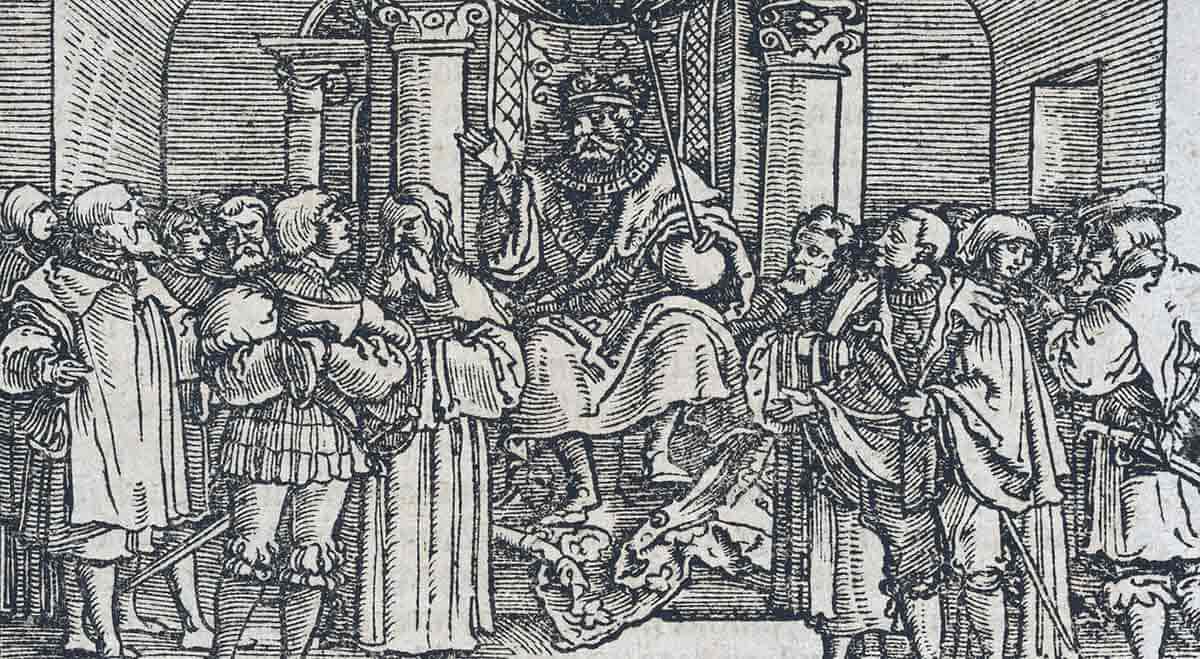
Though initially reluctant to wage war, Archidamus eventually proved a formidable commander. Exploiting the plague’s devastating effects, he extended the war into Athens’ hinterland. He laid siege to Plataea, an Athenian ally. Plataea had been unsuccessfully assailed in 431 BC by Thebes. In 429 BC, Archidamus tried again. His siege lasted two years. Forsaken by Athens and on the verge of starvation, Plataea eventually surrendered. Archidamus showed the Greeks that Sparta was determined to vanquish its enemies. Over 200 Plataean defenders were executed, and the city was handed over to Thebes, which occupied it for almost 50 years.
Archidamus died shortly after the siege. He left behind two sons, Agis II and Agesilaus II, who arguably became the most important kings in Spartan history.
3. Brasidas (died 422 BC): Reason Conquers Chaos
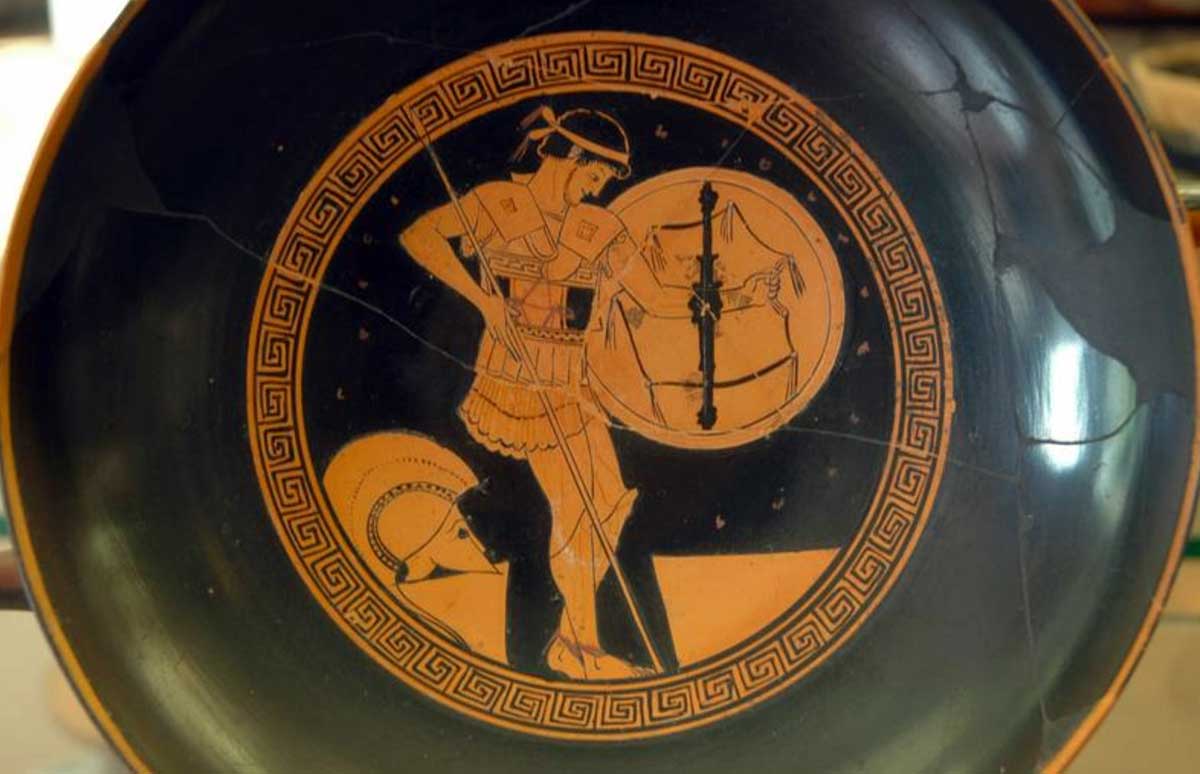
Brasidas was one of Sparta’s most accomplished generals. He rose to prominence in 429 BC as commanding officer of a demoralized Spartan fleet battling numerically inferior but experienced Athenians in the Corinthian Gulf. The battle was a draw, but it established Brasidas as a calm, cool, and collected leader with much to offer. Thucydides portrayed him as a prototypical Spartan: loyal, fearless, and laconic. He was the first choice for critical campaigns, always fought in the frontlines, and said a lot with very little.
In the winter of 424 BC, the Macedonian ruler Arrhabaeus revolted against his sovereign king, Perdiccas II, a Spartan ally. Brasidas joined Perdiccas to squash the revolt. Despite Arrhabaeus’ numerical advantage, they easily won the first skirmish. They waited for reinforcements, but none arrived. Perdiccas wanted to chase Arrhabaeus, but Brasidas chose to wait longer. Word eventually arrived that the reinforcements had betrayed them. Perdiccas’ army panicked and abandoned Brasidas. As Arrhabaeus’ troops pursued him, Brasidas selected 300 elite soldiers to fend off approaching enemies while the rest of his battalion retreated.
Thucydides had Brasidas speak during the delicate maneuver, a plausible and certainly dramatic possibility. The Spartan reassures his fearful troops that the enemy’s strength is only apparent: “When an enemy seems strong but is really weak, a true knowledge of the facts makes his adversary the bolder.” Although the assailants “are formidable in outward bulk, their loud yelling is unbearable, and the brandishing of their weapons in the air has a threatening appearance,” Brasidas insists that, with discipline, reason, and order, the Spartans can easily prevail.
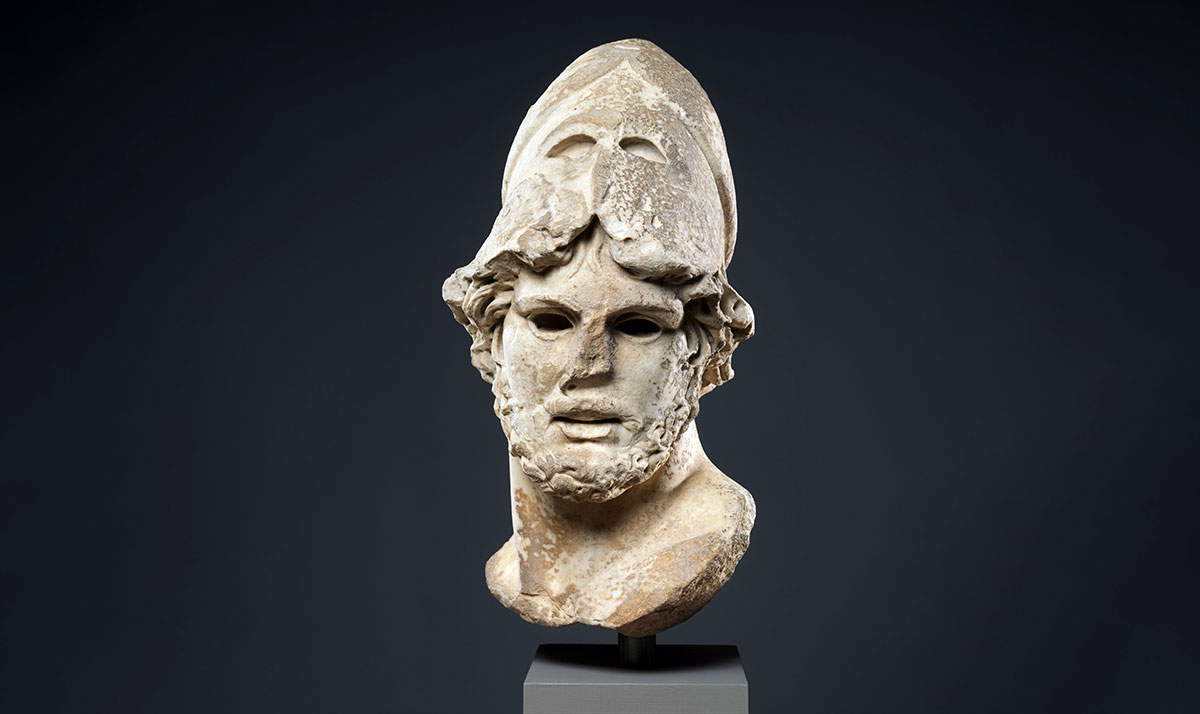
And prevail they did. Brasidas’ men pulled off the highly risky retreat, sowing fear and admiration among friends and foes. One year later, he found himself in a similar situation at Amphipolis, a strategic Athenian colony he had recently seized. The city appealed for aid to none other than Thucydides, who failed to arrive on time. He was blamed for Brasidas’ victory, tried, and exiled. In one of the few autobiographical passages, Thucydides noted that his exile lasted twenty years, during which he roamed the Peloponnese, presumably collecting valuable materials for his books.
To retake Amphipolis, Athens dispatched a large force under Cleon, the well-known general and politician mocked by Aristophanes. Surrounded and outnumbered, Brasidas opted for a tactic many Spartans disdained: a surprise attack. Arguing that only speed and unpredictability could offset inferiority, he closed his final of three speeches with a laconic pledge that earned him another unlikely victory: “I will show that what I preach to others I can practice myself.”
Brasidas was wounded at Amphipolis: “he lived to hear of the victory of his troops, and not long after expired.” The Amphipoleans built statues, inaugurated annual games, and sacrificed to him “as a hero.”
4. Nicias (c. 470–413 BC): The Perils of Ambition
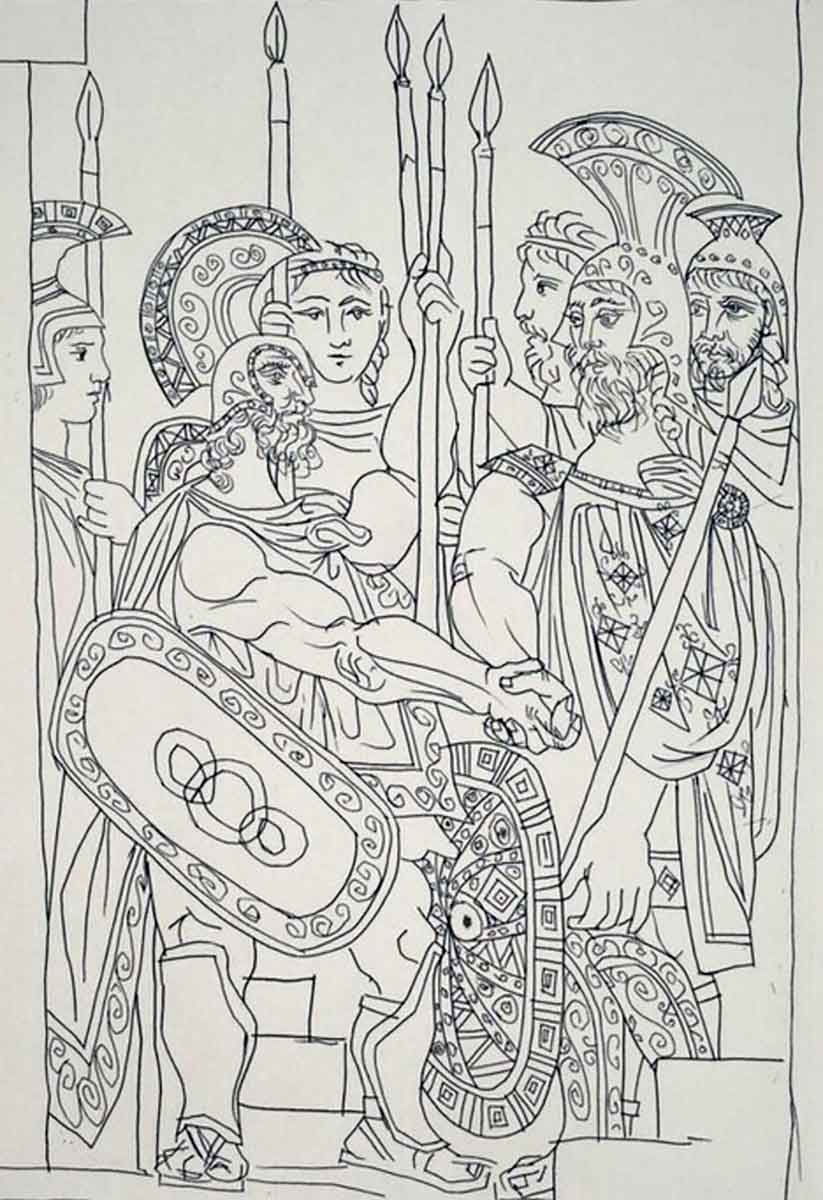
Nicias ascended to fame in 421 BC as the chief advocate of a peace treaty that bore his name. Prompted by Athenian defeats at Amphipolis and Delium and Spartan losses at Pylos and Sphacteria, the truce was meant to last five decades. It ended after three years, during which peace was only nominal. Continued ploys and skirmishes undermined any real prospect of peace. Some have seen the treaty’s failure as a reflection of Nicias’ incompetence.
Despite the truce’s limited success, Nicias’ leading role as an apparently pro-peace statesman earned him broad admiration in Athens. As Irish historian John Bagnell Bury observed, he became known as a “champion of peace,” a title he tried to carry into the 410s, as Athens orchestrated a daring and ultimately catastrophic campaign: the Sicilian Expedition.
Using pleas for help from minor Sicilian allies as a pretext, Athenian leaders decided to send a colossal fleet to Syracuse, a Corinthian colony that enjoyed de facto control of Eastern Sicily. Nicias was at least 55 when asked to command Athens’ largest armada to date, alongside Lamachus and Alcibiades. He neither wanted the assignment nor thought the endeavor wise.
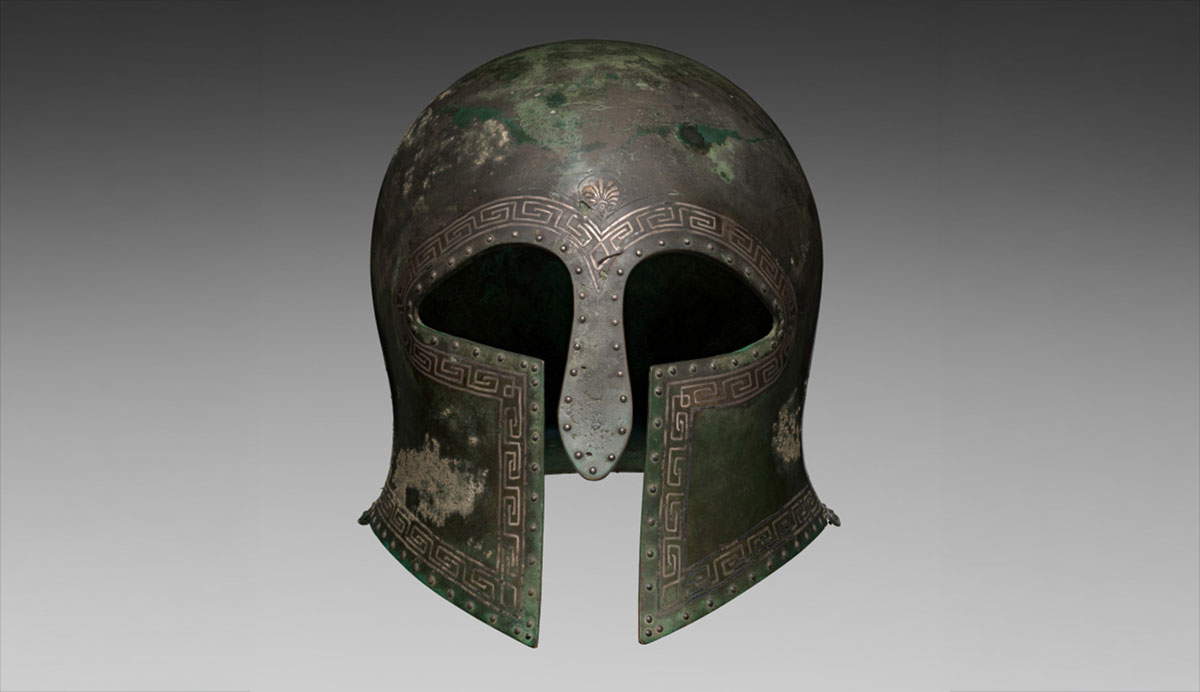
Thucydides had Nicias address the Athenian army twice before departing for Sicily: first to urge caution, then to instill hesitation. In his first speech, Nicias calls for prudence, not unlike Archidamus. Even though he would gain glory from the campaign, he says, reason tells him to dissuade his fellow Athenians from biting off more than they can chew. Perceiving the young army’s eagerness to battle, he reminds them that they “are but now enjoying some respite from a great pestilence and from war,” and that campaigns of such magnitude demand patient, careful deliberation.
Nicias then attacked Alcibiades, his younger, unashamedly ambitious, and infinitely more charismatic colleague who had been championing the Expedition:
“If there be any man here, overjoyed at being chosen to command, who urges you to make the expedition, merely for ends of his own […] do not allow him to maintain his private splendor at his country’s risk, but remember that such people injure the public fortune while they squander their own.”
Like most of Nicias’ speeches, the ad hominem failed. Sicily was too compelling a prospect, and Alcibiades too appealing a figure. But Nicias did not yield. In a second speech, he frames the campaign as an insurmountable challenge requiring far too many ships, horses, and supplies. Do Athenians really want to undertake the impossible and face certain defeat? The speech backfired disastrously. Fueled by the challenge, the army implemented Nicias’ detailed plan without hesitation, reaching Sicily more quickly than anyone anticipated.
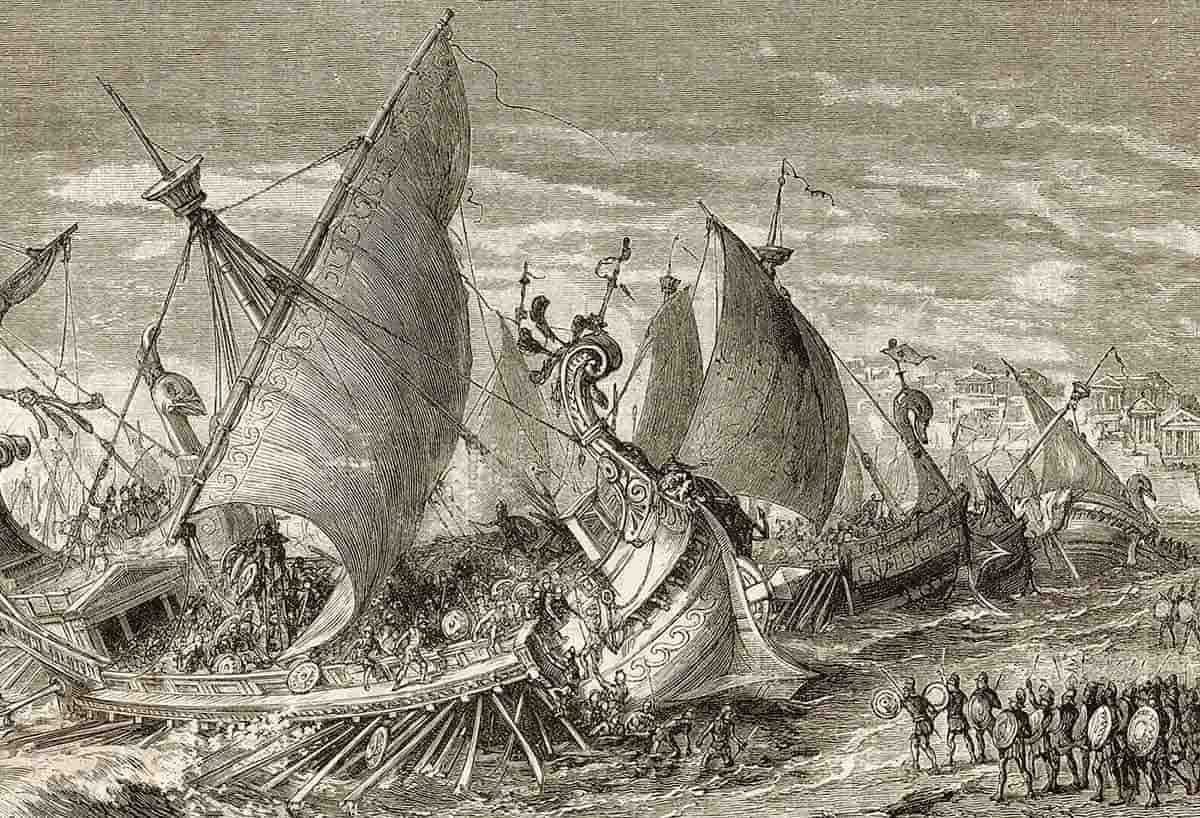
In Sicily, Nicias’ fortunes continued declining. Initially, Athens nearly captured Syracuse. The city survived thanks to its cavalry, but also thanks to Nicias’ prudence, which spared it an Athenian assault at its weakest moment. In the winter of 414 BC, Nicias wavered while his enemies built a large fleet. He also neglected Syracuse’s northern area, allowing Spartan reinforcements to enter the city unopposed. With renewed confidence and fresh troops, Syracuse crushed the Athenian threat.
Athens’ retreat from Sicily was postponed by a lunar eclipse. Obsessively superstitious, Nicias interpreted the event as a bad omen, forcing his troops to delay departure for almost a month. Days after the eclipse, the Syracusans launched a full-scale attack and swiftly defeated their besiegers. Nicias was captured and executed. His legacy remains contentious: some see him as an exemplar of conventional virtues, while others criticize his vacillations as clear signs of incompetence.
5. Alcibiades (c. 450-404 BC): United for Empire
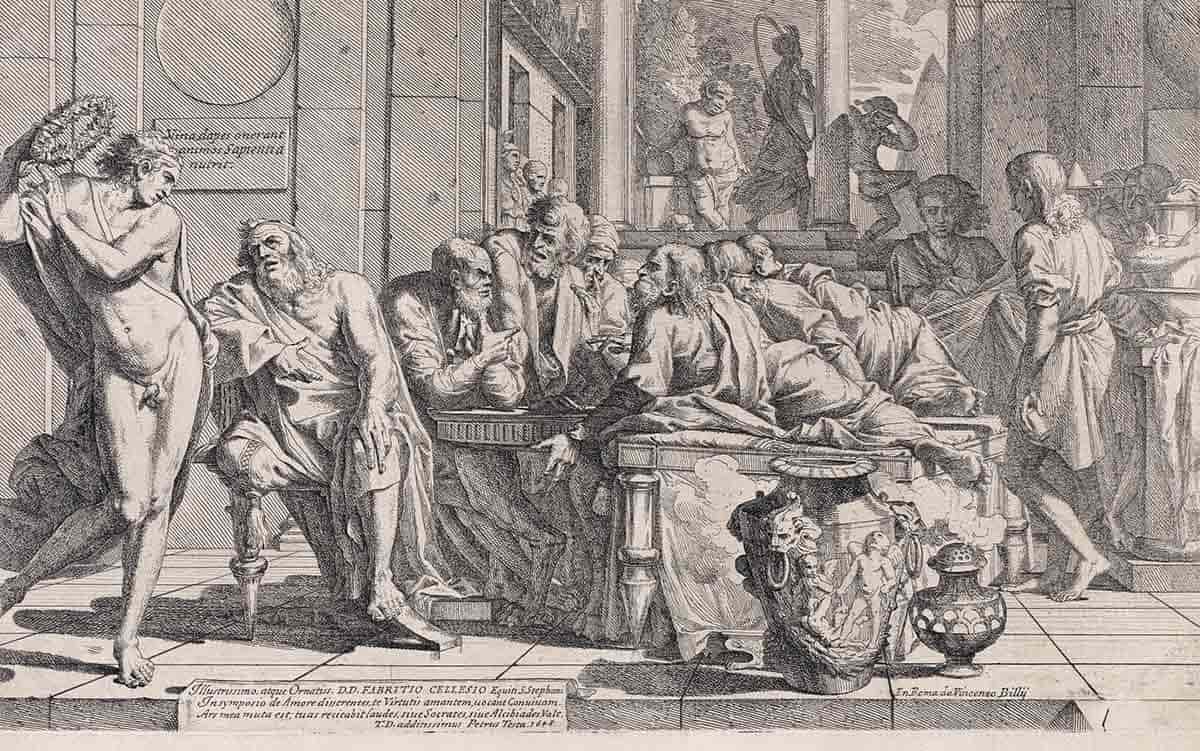
Alcibiades is arguably one of the most controversial ancient Greeks. The descendant of high-ranking, Spartan-sympathizing aristocrats, he spent his youth shadowing politicians (including Pericles, who was his guardian), perfecting his rhetoric, and studying with Socrates, who saved his life at the battle of Potidaea (432 BC).
Alcibiades’ “international” reputation boomed during the Sicilian Expedition. By then, he was known as a lavish, unorthodox, but competent statesman who had forged improbable anti-Sparta coalitions. As Thucydides noted, “although publicly his conduct of the war was as good as could be desired individually, his habits gave offence to everyone.” A bold and unashamed imperialist, he saw Sicily as the perfect stage for his ambitions. But first, he had to convince his fellow Athenians to follow him.
Thucydides included two speeches by Alcibiades. To advocate the Expedition, Alcibiades had to first circumvent widespread prejudice against him. In one of many displays of rhetorical mastery, he reframed his vices as efforts to boost Athens’ prestige abroad. Why did he send not one, not two, but seven chariots to the Olympic Games? To show that Athens was the greatest. For that, he demands recognition.

Alcibiades then recalled the Battle of Mantinea (418 BC). He was largely responsible for allying Athens, Argos, and Mantinea to prevent Sparta from seizing the Isthmus of Corinth. Sparta won the battle, though Alcibiades says it never “fully recovered confidence,” a rhetorical move more than a factual assessment.
He concludes his call to action by cloaking his true aim, the conquest of the Mediterranean, behind the seemingly nobler goal of rescuing Athens’ Sicilian allies: “It is thus that empire has been won, both by us and by all others that have held it, by a constant readiness to support all, whether barbarians or Hellenes, that invite assistance.”
Although Alcibiades had shattered Sparta’s confidence at Mantinea, four years later, he enflamed it. Shortly after his fleet set off to Sicily, his Athenian opponents indicted him for blasphemous vandalism. He was recalled and had to abandon the campaign. Fearing execution, he defected to Sparta, where he received asylum. Knowing he could be exiled or killed at any point, Alcibiades tried to secure more than mere survival.
When Syracuse called for help after Athens’ initial victories, Sparta hesitated to send troops. Alcibiades seized the opportunity to offer counsel. In his second and final speech, he explains his actions at Mantinea as inevitable consequences of the Spartans’ decision to negotiate the Peace of Nicias with his Athenian archenemies. This was a bold but apparently effective move that cast him as a dutiful general in the Spartans’ eyes.

In the same speech, Alcibiades discloses Athens’ plan to subjugate Sicily, Italy, and Spain, of which he was once the loudest advocate. He offers a detailed plan to counter Athens, in Sicily and at home, telling the Spartans that he “could likewise do [them] good service as a friend, inasmuch as [he knows] the plans of the Athenians, while [he] only guessed [theirs].”
To conclude his rebranding, Alcibiades proclaims his patriotic love: “The true lover of his country is not he who consents to lose it unjustly rather than attack it, but he who longs for it so much that he will go all lengths to recover it.” Statements like these prompted the biographer Plutarch (c. 45-120 AD) to praise Alcibiades’ rhetoric as the most decisive factor in his rise to fame. Indeed, Sparta obeyed him. The experienced general Gylippus was sent to Sicily. His arrival tipped the balance in Syracuse’s favor, as Nicias desperately called for help.
Alcibiades’ role in the Peloponnesian War continued until his death in 404 BC, as did his subterfuges. After amassing additional enemies from Sparta, Persia, and Athens, he was assassinated somewhere in central modern Turkey.
The People Behind History

Though specious, Thucydides’ speeches offer insights into some of the Peloponnesian War’s leading generals, whose legacies continue to fascinate. Be they Spartan or Athenian, the speeches sketch their different personalities. They are power-hungry, zealous, and fatally ambitious, but they also fear and miscalculate, as entangled in their contexts as everyone else. They inspire anxious troops, instill prudence against desire for destruction, devise self-defeating ploys, rebrand their reputations with compelling rhetoric, and fall prey to ruinous superstitions. One day they are praised like heroes, the next exiled or executed.
The speeches, of which this selection is a small sample, help us remember that history, and war especially, is not a mere sequence of collectible facts, but a theater ruled by volatile emotions, a crucible of will and folly, a diverse display of the same psychological complexity that shapes humanity today.