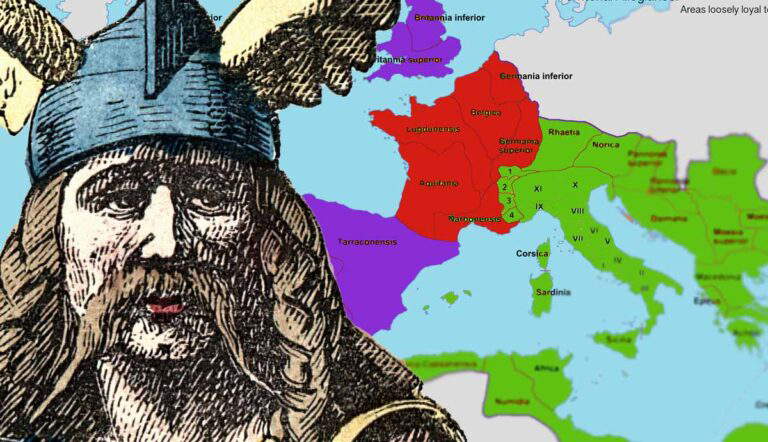
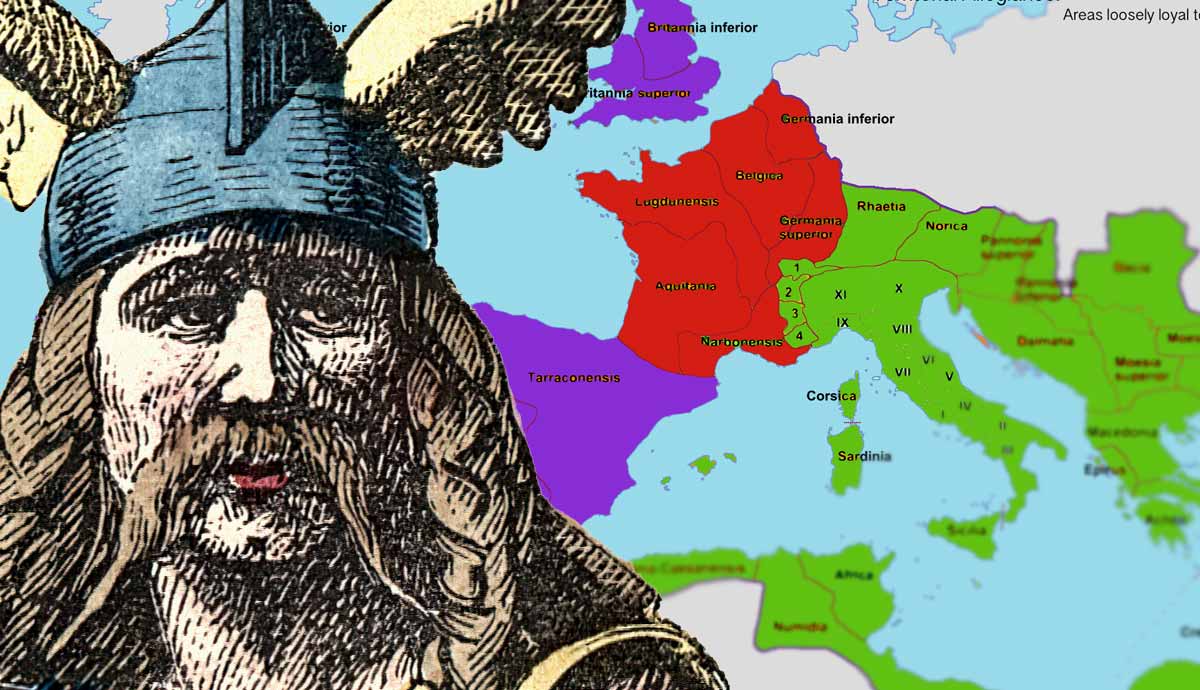
The story of Rome and Gaul is usually reduced to Caesar’s conquest of the “barbaric” tribal warriors and Gaul’s integration as “one more” province of the vast Roman Empire. This glosses over the complex relationship between Rome and Gaul that lasted a millennium. When the Gauls sacked Rome in 390 BC, they became the “bogeymen” of Roman nightmares, fueling Rome’s expansionist foreign policy. They remained a recurring threat until finally conquered by Caesar in the 50s BC. What followed were centuries of Romanization and integration, and Gallic resources supporting the expanding Roman Empire. By the 4th century AD, the Gallo-Romano elites were arguably more Roman than the Romans, and Gaul was the beating heart of the Western Roman Empire. When Rome itself wavered, the Roman spirit continued to thrive in Gaul.
Rome vs Gaul Timeline
| First Contact | 390 BC | The Senone Gauls sack Rome, making the Gauls into “bogeymen” that fueled an aggressive Roman foreign policy |
| Conflict | 225–201 BC | Conflict for territory in Cisalpine Gaul, and some Gauls join Hannibal in his assault on Italy |
| Unequal Treaties | 2nd century BC | Rome exerts influence through unequal treaties and trade with the Gallic tribes |
| Expansion Over the Alps | 125–121 BC | Rome’s intervention on behalf of Greek colonies in Gaul led to the creation of Transalpine Gaul |
| Cimbrian War | 113–101 BC | Cimbri and Tuetones migration threatened Gaul and then Rome, leading to a major conflict won by Gaius Marius |
| Conquest of Gaul | 58–50 BC | Caesar uses the Helvetii migration as a pretext to conquer independent Gaul for Rome |
| Romanization | 1st century BC – 2nd century AD | Romanization of Gaul, including Gallic elites being invited to join the Roman Senate in AD 48 |
| Gallic Empire | 3rd century AD | While the Empire’s center is weak, the Gallic Empire briefly forms to protect Western interests |
| Succession | 5th century AD | Gallo-Romans unite with Visigoths to defend the west; Avitus is the Gallic emperor of Rome |
| Post-Roman | 5th-6th centuries AD | Roman traditions continue in Gaul and influence the newly emerging Frankish Empire |
Who Were the Gauls? “Barbarians” to the North

The Gauls were a Celtic people, one of the most populous groups in ancient Europe. By the 5th century BC, they occupied much of central Europe from Britain and the Iberian Peninsula in the west and almost as far as the Black Sea in the east. They even occupied Galatia in central Anatolia. They were a diverse group of tribes, and while they may have recognized shared cultural traditions, they did not think of themselves as a unified whole.
It was the Greeks, Romans, and other peoples of Europe’s Mediterranean coast who identified them collectively as Celts, a group of what they considered “barbarians” living to the north and west of their territories. The first recorded use of the term Celt is by the Greek geographer Hecataeus of Miletus in 517 BC, and a little later by Herodotus.

The Gauls were Celts who occupied the region of the world that the Romans called Gaul, which corresponds to modern-day France, Belgium, Luxembourg, and parts of Switzerland, Germany, and Northern Italy. The Gauls, too, were a diverse mix of tribes. Among them were the Senones, Helvetii, Allobroges, Arverni, and Belgae.
The Romans, judging the Gauls through the eyes of their own culture, described them as muscular giants with fair skin and blue eyes. They were fearsome warriors but lacked “Roman discipline.” They were also “barbarians,” who lacked knowledge of “essentials,” such as wine, and engaged in “horrific practices” such as human sacrifice. We do not have similar Celtic written sources to know what the Gauls thought of the Romans.
First Contact: Gallic Sack of Rome (390 BC)
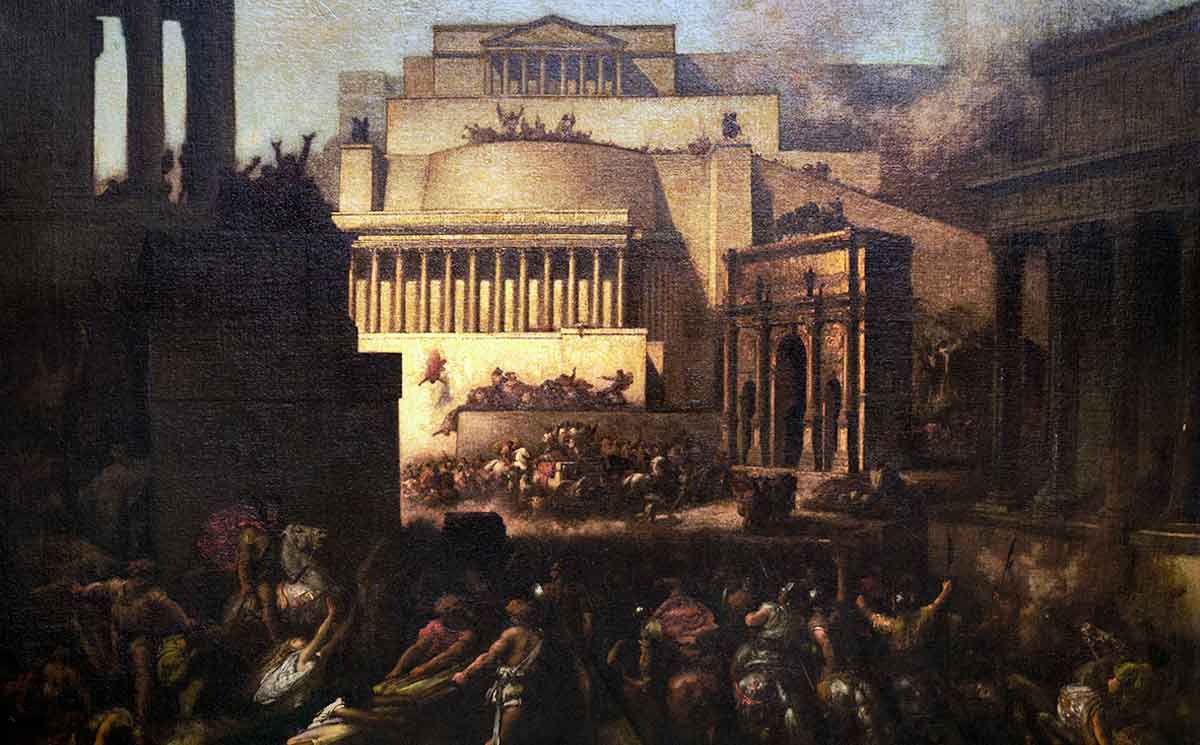
The Romans had contact with the Gauls in the 5th century BC, mainly through trade and proxy conflicts. But “first contact” was in 390 BC.
According to tradition, at the time, the Etruscans, living in Italy to the north of Rome, were selling the Gauls wine and olives. The Senones tribe was convinced that their Italian suppliers were poorly defended, and they could march into Italy and claim these riches for themselves. They set their sights on the Etruscan town of Clusium. Rome was already the most powerful city on the Italian Peninsula, so the Etruscans asked her for help. Conflict with Rome’s ambassadors gave the Senones a new target.
According to Diodorus Siculus (14.114), the Gauls gathered a horde of maybe 40,000 Gauls and turned toward Rome. The Romans led an army of 24,000 men out to meet them at the confluence of the Tiber and Allia rivers, just ten miles north of Rome. The result was a devastating defeat for the Romans in the Battle of Allia, leaving Rome itself vulnerable.

Without the manpower to defend itself, Rome sent its most sacred objects away for safe keeping. Men of fighting age, senators in their prime, and their wives and families barricaded themselves on the Capitoline Hill. Older magistrates stayed in their homes, awaiting the Gauls and offering themselves to the gods in a final effort to protect the city. Many others fled. This left Rome open to the Gauls, who slaughtered the elderly magistrates and then besieged the Capitoline. This lasted seven months, and the Romans reportedly considered abandoning the city for a new location.
Eventually, famine, disease, and a lack of resources saw the Gauls willing to withdraw. They were reportedly paid off with the equivalent of 330 kilograms of gold. While some Roman historians give different versions of the Gauls being pursued and the gold recovered, this feels like a later invention to “save face.”
Whatever happened, the Gallic Sack of Rome was a major turning point in Roman history as the city realized that it could be vulnerable, especially to attacks by “barbarian hordes,” embodied by Gallic “bogeymen.” This fear contributed to Rome adopting an aggressive foreign policy of territorial acquisition, specifically to create a buffer zone between Rome and threats like the Gauls. This would eventually result in the construction of the Roman Empire.
Divide and Conquer: Cisalpine Gaul (3rd Century BC)

Over the following three centuries, according to Roman historians such as Livy, the Gallic threat loomed large over Rome. The tribal nature of Gallic society allowed the Romans to manage this threat through negotiation. They offered unequal treaties, traded valuable wine and slaves with favored partners, and took noble Gallic hostages back to Rome to groom future pro-Roman leaders. Nevertheless, conflict continued.
For most of the 3rd and 2nd centuries BC, Rome had good relations with the Gauls living in what they called Cisalpine Gaul, on the Italian side of the Alps. In fact, a Cisalpine tribe, the Boii, stopped Transalpine Gauls from passing the Alps in 238 BC. But as Roman ambitions grew, they encroached on Gallic territories, allocating what was Gallic land to poorer Roman citizens. In 225 BC, the Boii formed an alliance with Gauls from both sides of the Alps to oppose Rome.
The Gauls advanced into Etruscan territory and had a minor success at the Battle of Faesulae. The Romans then defeated the Gallic forces at the Battle of Telamon, reportedly killing 40,000 Gauls and taking 10,000 as prisoners. While this was a great victory, it happened just a few days’ march from Rome. In the following years, the Romans launched a major invasion of Cisalpine Gaul and settled their own people throughout the region.
Threatening Italy: Marching With Hannibal (218-201 BC)

Subsequent resentment among the Gauls encouraged many tribes to join the Carthaginian general Hannibal when he invaded Italy in 218 BC as part of the Second Punic War. In an incredible feat, Hannibal marched his army across the Alps and into Italy, but at great cost. But his army was immediately bolstered by disgruntled Cisalpine Gauls, including the Boii. Gauls made up nearly half of Hannibal’s army in Italy, and they secured supplies and intelligence.
Together, the Carthaginians and Gauls had several significant victories, including at the Battle of Trebia (218 BC), Battle of Lake Trasimene (217 BC), and Battle of Cannae (216 BC). In 207 BC, Hannibal’s brother Hasdrubal marched into Italy with more Gallic reinforcements. However, they suffered a terrible defeat at the Battle of Metaurus, which essentially stopped further advancement in Italy. Rome finished the war by taking it to Carthage in North Africa, forcing the Carthaginians to return home. The Romans also spent the next two decades systematically crushing the Cisalpine Gauls who had fought against them.
Over the Alps: Transalpine Gaul (2nd Century BC)
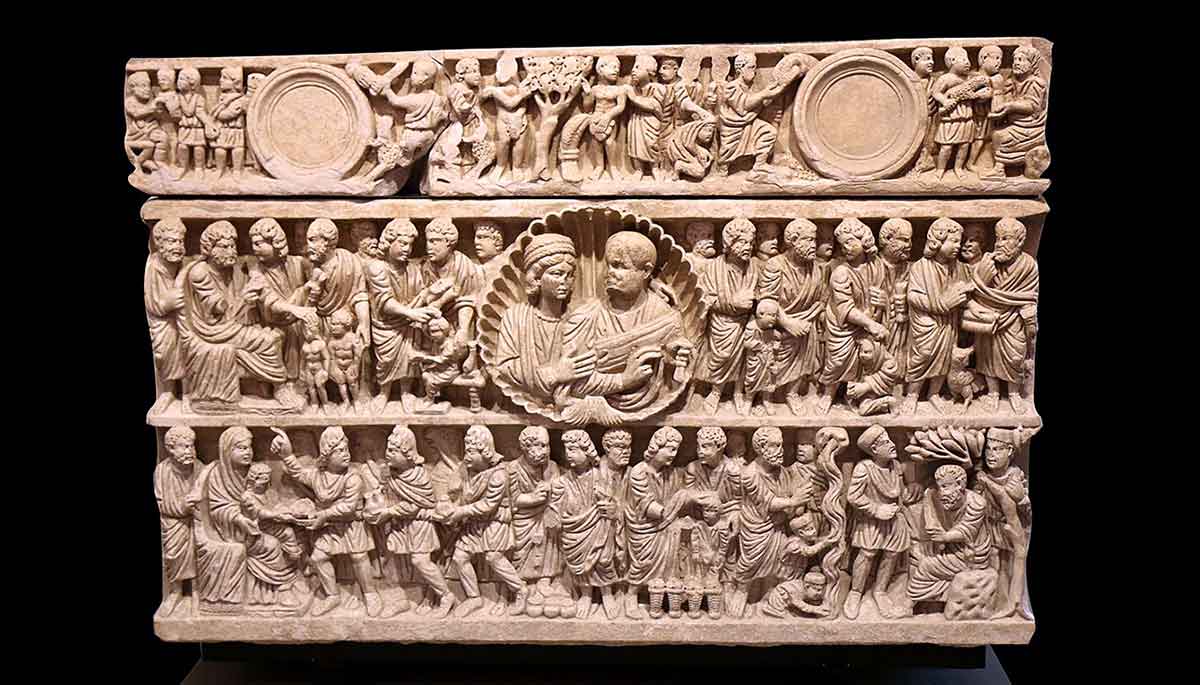
The Romans would finally cross the Alps in the 2nd century BC. Rome had long had alliances with Greek colonies in Gaul. When their settlements were threatened by tribes such as the Arverni and Allobroges in 125 BC, Rome came to their aid. Rome’s successful campaign resulted in the creation of the province of Transalpine Gaul (later Gallia Narbonensis) in 121 BC.
The Romans built their capital in Narbonensis and connected it via their famous road network, making it the most important trading center and starting the Romanization of the region. They continued to dominate the surrounding region through treaties and trade.
Migration Pressure: The Cimbrian War (113-101 BC)

In the late 2nd century BC, the Cimbri and Teutones tribes, living in modern-day Denmark, began to descend into Gaul. More than just an army, they were being displaced by environmental factors and new people moving into the region, so a horde of 500,000, including family and livestock, was migrating south. In 113 BC, they entered Noricum, a region of Gaul allied with Rome. The Romans tried to repel them but were defeated at the Battle of Noreia.
This started the Cimbrian War, which saw the Romans repeatedly defeated as the horde descended further south. At the Battle of Arausio alone in 105 BC, the Romans reportedly lost 80,000 soldiers in a single day. Following this great win, the Cimbri, whom the Romans considered Gauls but should perhaps be considered Germans, decided to march on Rome.

While all Rome’s generals were repeatedly humbled by the Cimbri, Gaius Marius had just successfully defeated Jugurtha in North Africa. Breaking their own precedents, Marius, who had been consul in 107 BC, was elected in absentia for 104 BC and sent to Gaul. He was also illegally reelected every year until 100 BC to continue the war. Marius spent the first few years rebuilding the army that had been decimated, creating a professional army of paid soldiers rather than one that relied on small landowners.
Marius finally faced the Cimbri, who had been joined by other Gallic tribes, in 102 BC. He lured the Teutones-led contingent into attacking a fortified uphill position in the Battle of Aquae Sextiae in 102 BC, effectively wiping them out. He defeated the Cimbri after they crossed the Alps into Northern Italy at the Battle of Vercellae in 101 BC. When the battle was clearly lost, the Cimbrian women stationed with the wagons killed themselves and their children to avoid slavery, ending the threat. The Romans not only won the war but also gained a new professional and effective way to organize their army.
Caesar’s Gallic Conquest: The End of Independent Gaul (58-50 BC)

Much ink has been spilled on the Roman conquest of Gaul by Julius Caesar, not least by Caesar himself in his Gallic Wars. It started for similar reasons to the Cimbrian War. The Helvetii Gauls, living in modern-day Switzerland, were being squeezed out by Germanic tribes from the north, so around 300,000 started to migrate south. In 58 BC, they asked the governor of the Roman province of Gallia Narbonensis, Julius Caesar, for safe passage through the territory. He refused.
The Helvetii bypassed Caesar’s territory and passed through the land of the Aedui. This Gallic Roman ally called on Caesar for protection. This was the legal excuse that Caesar needed to lead his troops out of Gallia Narbonensis and into independent Gaul. There is little doubt that this is exactly what Caesar wanted, as a major war was an opportunity for glory and gain.

Caesar quickly defeated the Helvetii at the Battle of Bibracte in 58 BC, but did not return to his province. Alarmed by a massive Roman presence along their borders, many Gallic tribes chose war, sometimes in grand alliances, justifying Caesar in continuing his military actions in the region. He fought an alliance of the Gallic tribes of Belgae, defeated the Veneti in a naval battle, and launched assaults on Britain. These activities culminated in a great coalition of Gallic tribes in 53 BC, which Caesar put down at the Siege of Alesia in 52 BC, after which the rebellion’s leader, Vercingetorix, surrendered to Rome.
Romanization of Gaul: More Roman Than the Romans (1st Century BC-2nd Century AD)
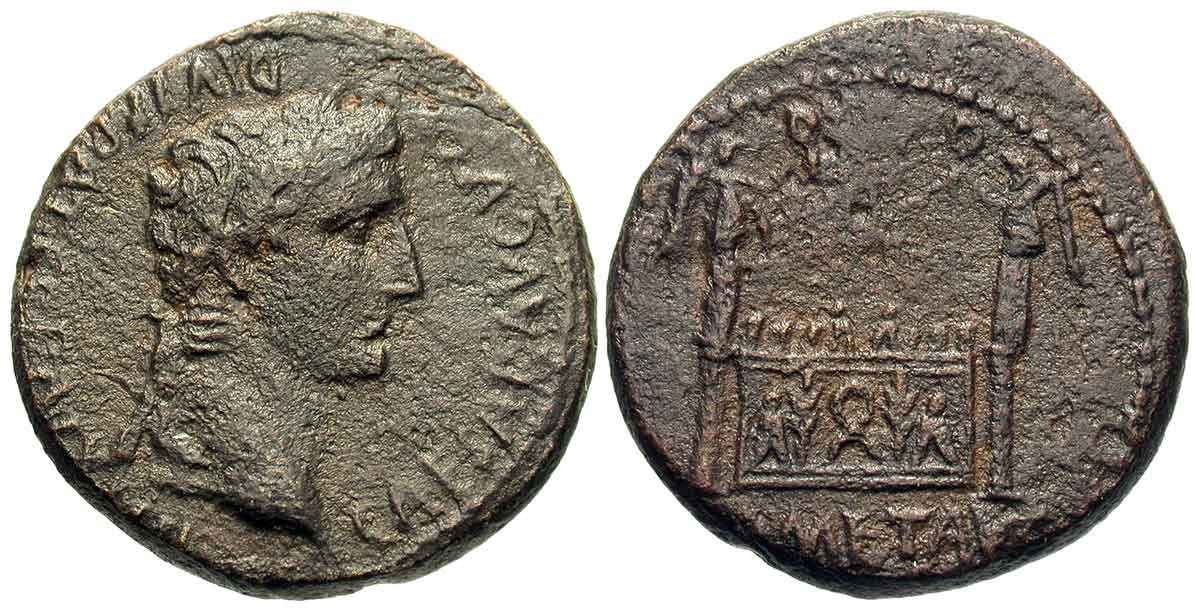
Gaul was now Roman territory, and Rome would spend the next 100 years “Romanizing” its people. They built Roman cities, such as Lugdunum, with Roman roads, baths, and temples. The process of adaptation was made easier by Roman practices such as interpretatio Romana, which recognized local gods, often as equivalents of Roman gods, allowing for religious integration. The Romans introduced wine-making, and Latin spread as the language of law, trade, and administration. Roman soldiers were stationed in Gaul and took local wives, and Gallic warriors were integrated into the Roman army as auxiliaries. Gaul was one of the first provinces to erect an altar of the imperial cult of the emperor in 12 BC, showing their loyalty to the Empire.
Rome also greatly benefited from what Gaul had to offer. The vast plains of Gaul produced massive food surpluses of both grain and meat that helped feed the Empire. Grapes were soon cultivated, and by the 2nd century AD, Gaul were exporting high-quality wine back to Italy. The region was rich in gold, silver, and lead, and Lugdunum became one of the Empire’s most important mints. Noricum acted as the Roman armory, because the unique chemical composition of its iron ore created steel that was hard yet flexible (Rome had used Noricum steel since the 2nd century BC).
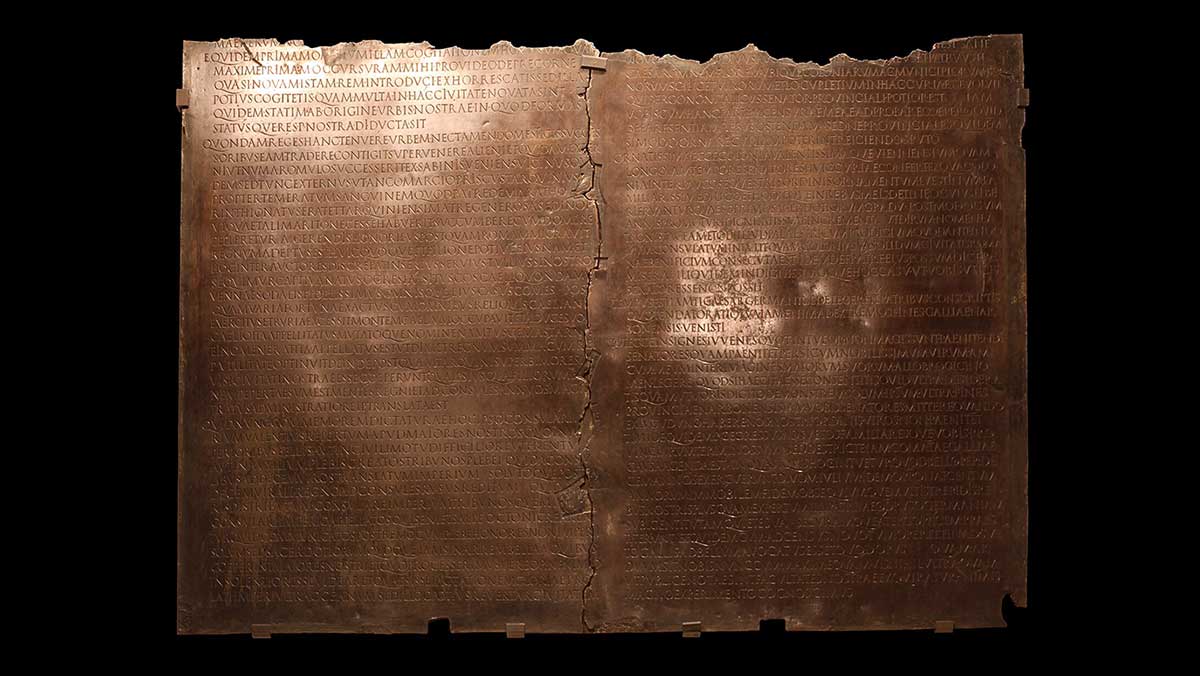
This process of Romanization culminated in the Edict of Claudius in AD 48. The Roman emperor Claudius, who was born in Lugdunum while his father Drusus was governor, granted the now thoroughly Romanized Gallic elite permission to become members of the Roman Senate. While there was certainly pushback from members of the elite back in Rome, the Gauls were soon accepted as wealthy landowners and taxpayers who contributed to the greatness of Rome.
Defending the West: The Gallic Empire (AD 260-274)
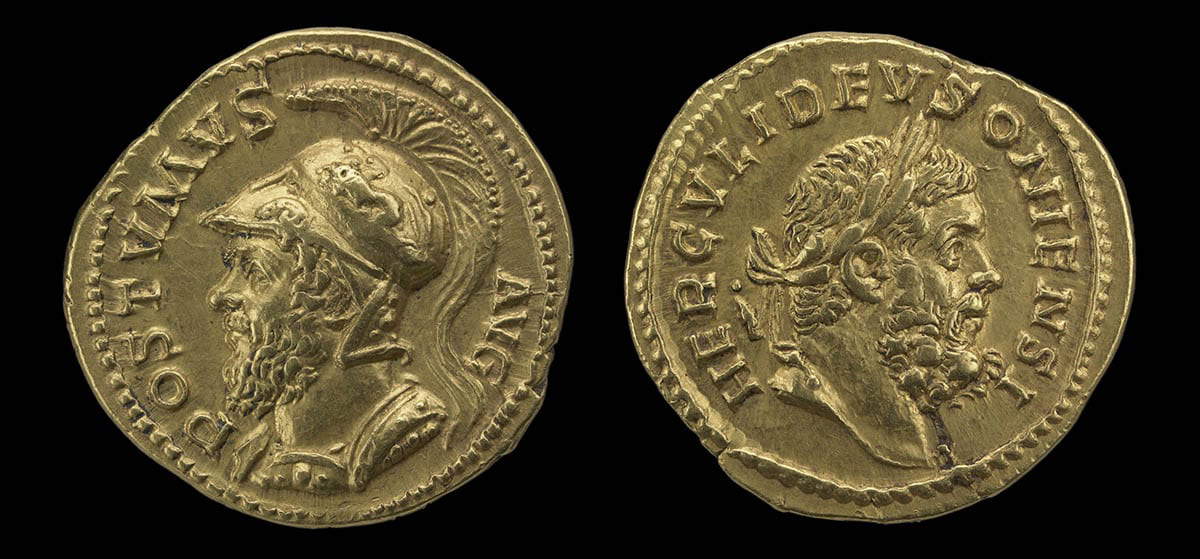
By the 3rd century AD, Gaul was not just thoroughly integrated but was the heart of the Western Roman Empire. In fact, as the center of the Roman world was plagued by crises in the 3rd century, Gaul remained strong. This is exemplified by the emergence of the breakaway Gallic Empire between AD 260 and 274.
Rather than being a revolt, this reflected the difficulties of managing a vast and diverse Empire. The people of Gaul, Britain, Spain, and parts of Germany consolidated themselves into a separate Empire to protect themselves against the chaos elsewhere in Europe. They did so under the leadership of the governor of Germania Superior and Inferior, Marcus Cassianius Latinius Postumus, whom the troops in the region declared their emperor.
No attempts were made to take territory in Italy or depose the emperors battling for power in Rome and the East. Instead, Postumus established his capital at Lugdunum along Roman lines. He created a Gallic Senate, elected two consuls each year, and even established a local Praetorian Guard. The Gallic government likely considered itself the heir of the Roman Empire.

But just as strongmen challenged one another for power in Rome, Postumus was challenged by one of his commanders, Laelianus, in AD 269. While the challenger was defeated, Postumus was killed by his own soldiers and replaced by a succession of other military commanders. The region was re-integrated into the Roman Empire by Aurelian following the Battle of Chalons in AD 274.
The West continued to face unique threats that could not always be prioritized and dealt with by the central government, now in the East in Constantinople. For example, by the late 4th century, the Visigoths, a Germanic people, were encroaching on Gallic territory. After infamously sacking Rome in AD 410, the Roman government granted them land in Aquitania in Southwest Gaul as an independent allied state known as foederti. While they brought instability to the region, they also helped fight off the Huns in AD 451.
A Gallic Powerbase: Emperor Avitus (AD 455-6)

When Rome was sacked by the Vandals in AD 455 and Valentinian III was killed, Theodoric II, king of the Visigoths in Gaul, declared a Gallo-Roman nobleman, Eparchius Avitus, emperor of the West. The Gallic chiefs declared for him, and Avitus was accepted by the Senate when he reached Rome. He was never acknowledged by the Eastern court, but that did not undermine his effectiveness. Avitus fought off repeated Vandal attacks on Italy, and he allowed his Visigoth allies to expand into Spain, which put them in a position to fight off the Germanic Suebi who were trying to occupy the region.
Nevertheless, in an age of crisis and competition for power, just the following year, Avitus was challenged by his general, Ricimer. In AD 456, Avitus returned to Gaul to rally forces to oppose Ricimer, but he was defeated at a battle near Piacenza in Northern Italy. Ricimer spared Avitus’ life but forced him to become the Bishop of Piacenza. There were continued plans by his allies to restore Avitus to power, which saw the Senate sentence him to death if he tried to return to Gaul. He died under debated circumstances before the year was out.
Gaul Beyond Rome: After the Fall (5th-6th Centuries AD)
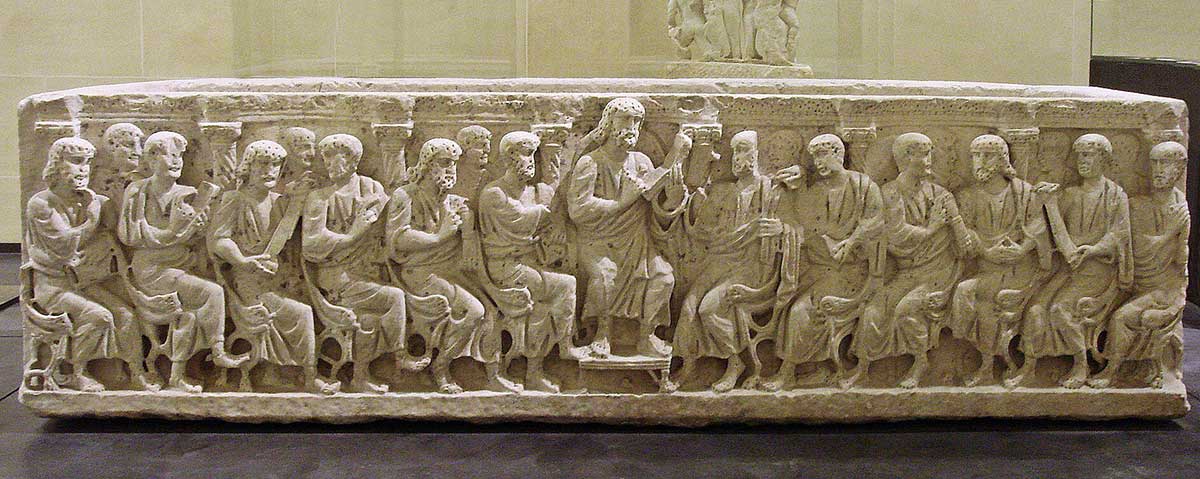
When the Western Roman Empire officially fell in AD 476, Roman Gaul continued, carrying on distinctively Roman traditions for decades. Roman-style government, administration, and the Roman church continued in the major Gallic centers, and Gaul thrived as wealth was no longer syphoned off to Rome. They traded with the new Ostrogothic kings of Italy, sending Gallic steel and wine not just to Rome, but along the Amber Road trade route as far as the Baltic Sea.
It was not long before the Merovingian Franks, under Clovis I, started to penetrate Gaul, bringing the remaining Roman-style states under his rule. The last standing was the Kingdom of the Soissons, ruled by Aegidius and then his son Syagrius, whom the Franks called “king of the Romans” for his thoroughly Roman lifestyle and culture. He was defeated by Clovis in AD 486, but Clovis also chose to “Romanize.” He converted to Roman Catholicism and was granted the title consul by the Eastern Roman Emperor. This made him the legitimate successor of Rome in Gaul.
Under Merovingian rule, Gaul became Francia and adopted an increasingly “French” identity, which was a mix of Gallic, Roman, and Frankish cultural traditions. Meanwhile, what was left of Rome in Italy was shattered by the Lombard invasion in AD 568.
Rome Versus Gaul: A Millennium of History
It is also too easy to summarize the history of Rome and Gaul as one of conquest and assimilation. But they had a much more complex and intertwined history that lasted a millennium. During the Roman Republic, Gaul’s warriors struck fear into the hearts of the Romans by threatening Rome itself, contributing to the Roman desire to pursue security through empire building.
The Romans and the Gauls abutted borders for centuries, trading and making alliances, and also coming into conflict over territory and resources. Caesar’s conquest of Gaul in the 50s BC was the final battle in a confrontation that was centuries in the making. The integration of the Gauls into the Roman Empire was swift because they had a long history of contact and cultural exchange. This is why Romans could recognize elite Gauls as senators in the 1st century AD, even while ancient Gallic fears still cast their shadows.
A region rich in resources, Gaul fared better than Italy as the Western Roman Empire began to collapse from the 3rd century AD onwards. Thoroughly Roman, the Romano-Gauls maintained Roman traditions as they carved out a position for themselves not as the powerhouse of the Western Roman Empire, but as the heart of the newly emerging Central Europe. In many ways, Gaul took up Rome’s mantle and eclipsed her.