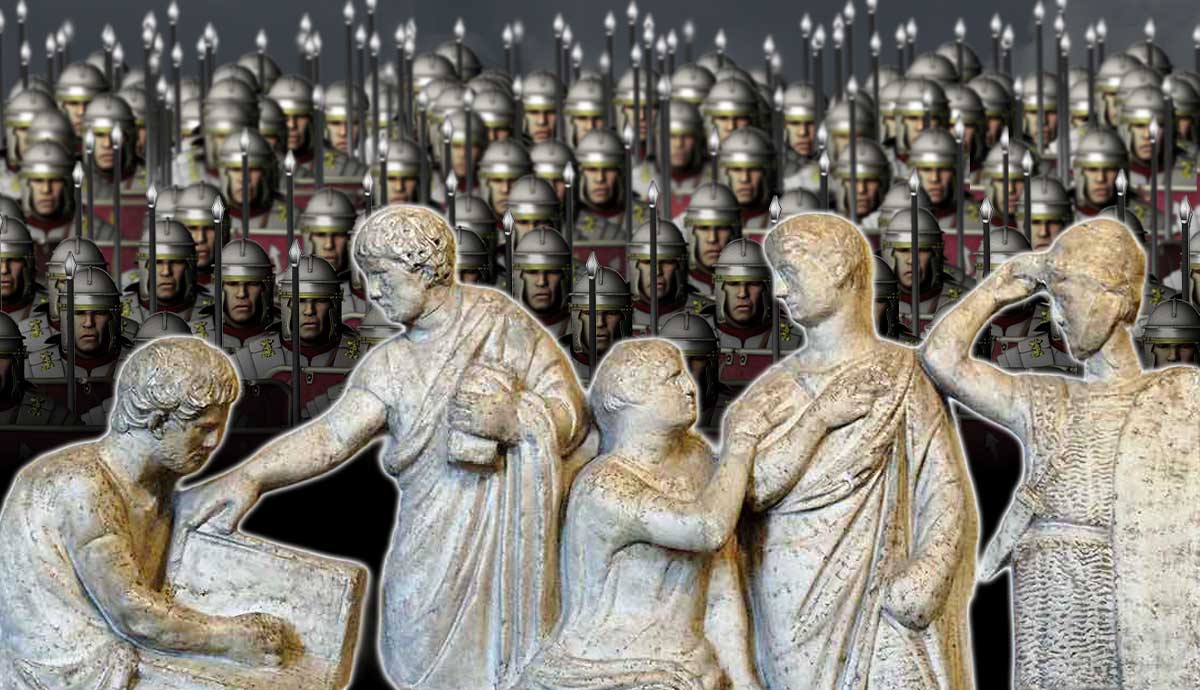
Rome’s history was one of conflict. From the moment of its mythical founding until the last emperor left the throne vacant, Rome was almost constantly at war. Like many ancient city-states, Rome started with a part-time citizen army, but as its Empire expanded, it developed a full-fledged, professional military machine. At its height, the Roman army had around thirty legions, each with four to six thousand men, all of whom had to be supplied with weapons, armor, food, regular pay, and a host of other costs. This was massively expensive. To keep the war machine rolling, Rome had to tax its population, even to the point of economic ruin.
The Early Days of Rome’s Military
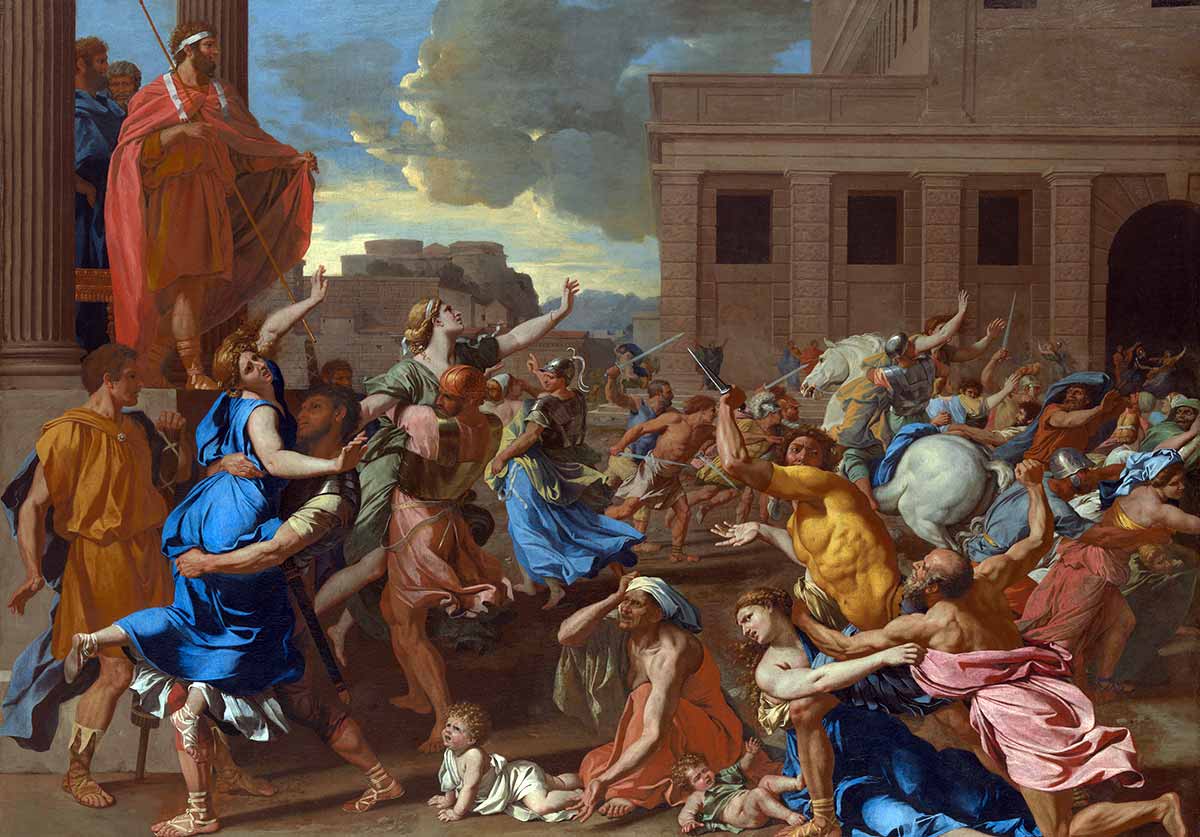
Early in Rome’s history, the need for taxes to keep the military funded was limited. During the era of kings and the very early Republic, Rome did not have a formal military. It improvised ad hoc militia that would put down their plows and hammers and pick up spears and swords, strap on armor, and fight in limited engagements. For the first few centuries of Rome’s existence, these fights were short, local affairs for control of the area around the seven hills that made up the settlement. Wars, if they could even be called that, lasted a few days to a handful of weeks at most. These citizen soldiers did not require any expenditure from the treasury. The equipment used by these troops was based on the Greek hoplite, which they learned from Greek colonies on the southern tip of the Italian peninsula.
By the time of the Punic Wars in the mid-Republic, this system had evolved into a multi-layered arrangement, based on experience and equipment type. The poorest and youngest soldiers were velites, who were lightly equipped and acted as skirmishers. Behind them were slightly older and wealthier soldiers who made up the hastati, who fought using larger shields, heavier armor, javelins, and short swords. Behind them were wealthy men who were equipped the same way, but of higher quality, called the principes. The last in the battle line were the triarii, who were the oldest, wealthiest, and most experienced soldiers, wielding spears and wearing the best quality armor available. Cavalry was provided by those who could afford a horse. The common factor is that all of these men provided their own equipment.
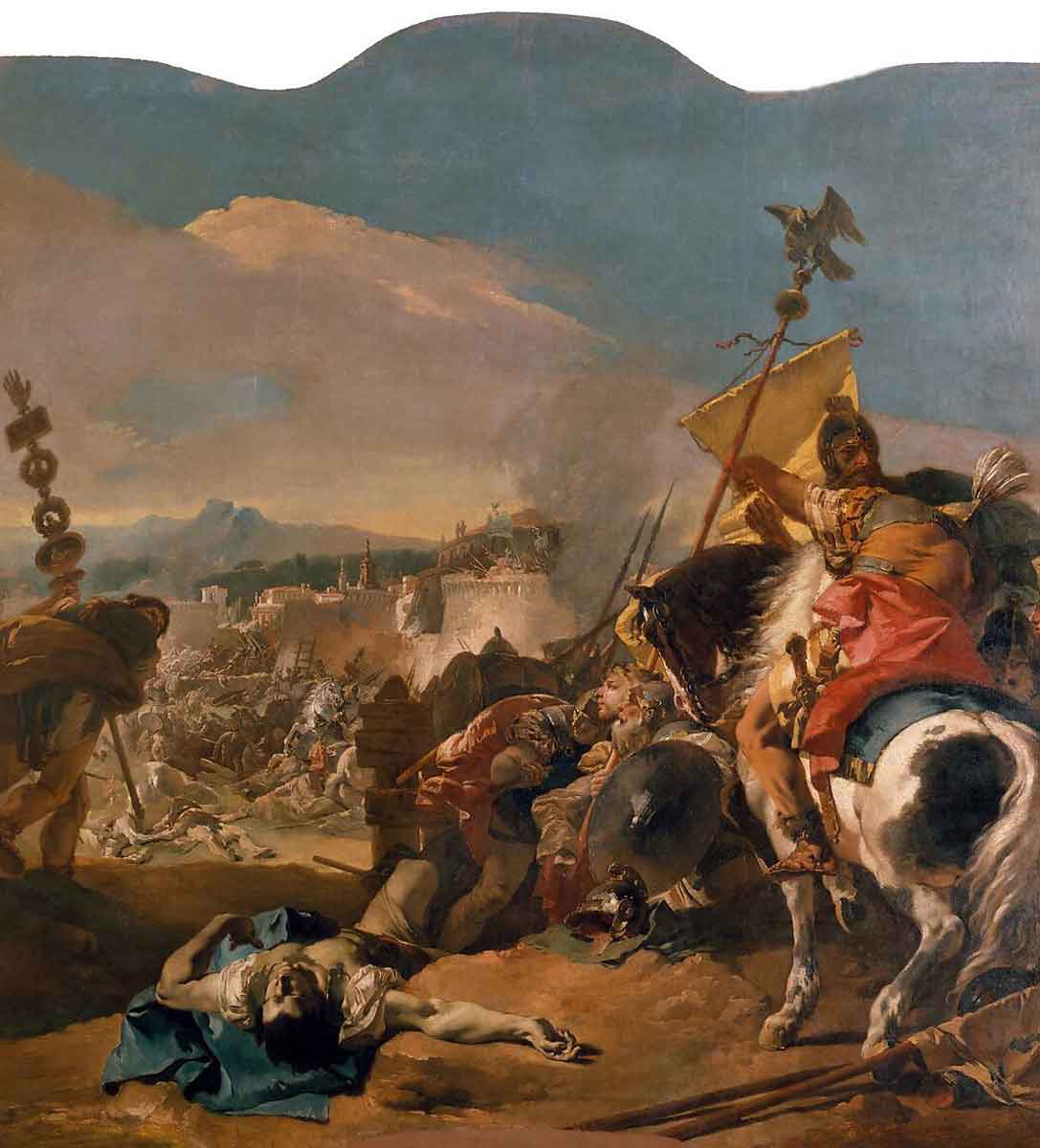
As Rome expanded its international influence, campaigns were longer in duration. This started causing problems, since the only men eligible for military service were landowners. The Romans believed that only men who had a vested interest in the survival of the state could be trusted to fight for it. This meant that the men who fought were rich enough to equip themselves. However, it also meant that by the time of the late Republic, these same men would be away from their homes for years at a time on protracted campaigns, and did so without being paid. There were some exceptions to this. In times of emergency, landless citizens could be recruited and their equipment paid for or provided by the state, as was the case during Hannibal’s campaign during the Second Punic War.
Taxes in the Republic
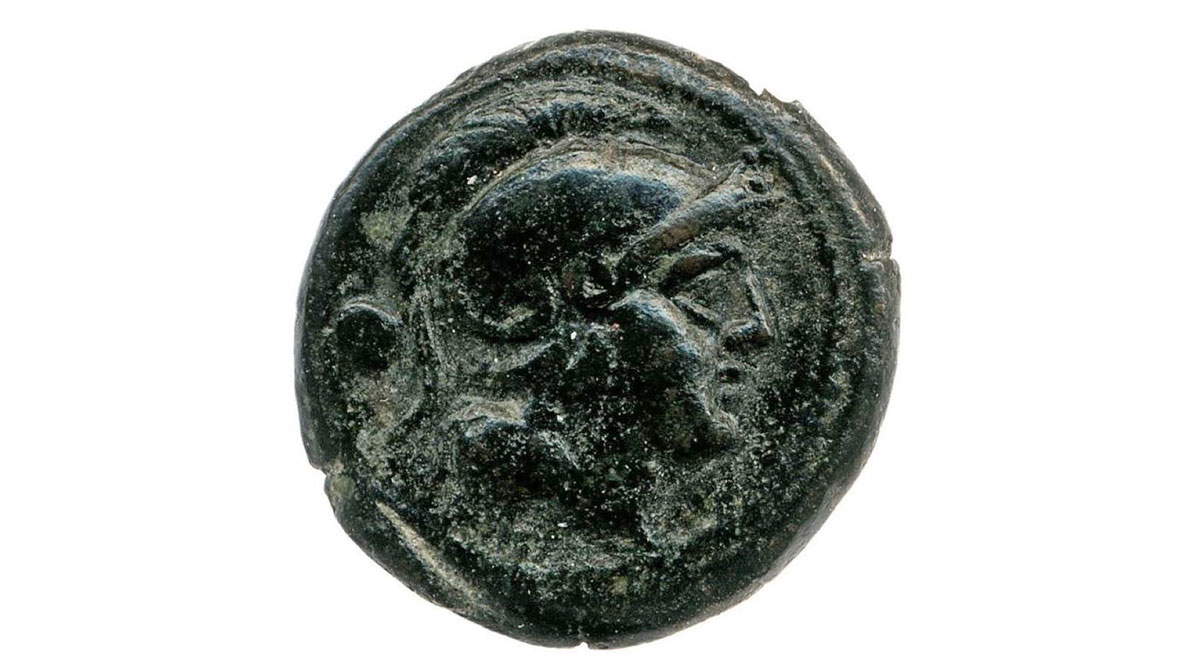
During this early era, Rome’s military had minimal impact on the treasury or taxation, but taxes still flowed in. One source of revenue was plunder. A certain percentage of wealth taken from conquered foes would go to state coffers, which is one possible reason why Rome was so expansionist. A large portion of Rome’s revenue, however, came from its own citizens. In the earliest days, the Romans levied a 1% tax on the total wealth of a household. This number could increase to 3% in times of emergency, though this was rarely done. The household, an estate under the leadership of a paterfamilias, was assessed based on land owned, its productivity, the number of slaves, the size of animal herds, and monetary wealth.
The censors, government officials who made these determinations, would classify each citizen into different categories based on their wealth. However, in spite of their best efforts, this was inefficient and haphazard. Many were both over and undercharged, though refunds were available for those who were assessed at too high a rate.
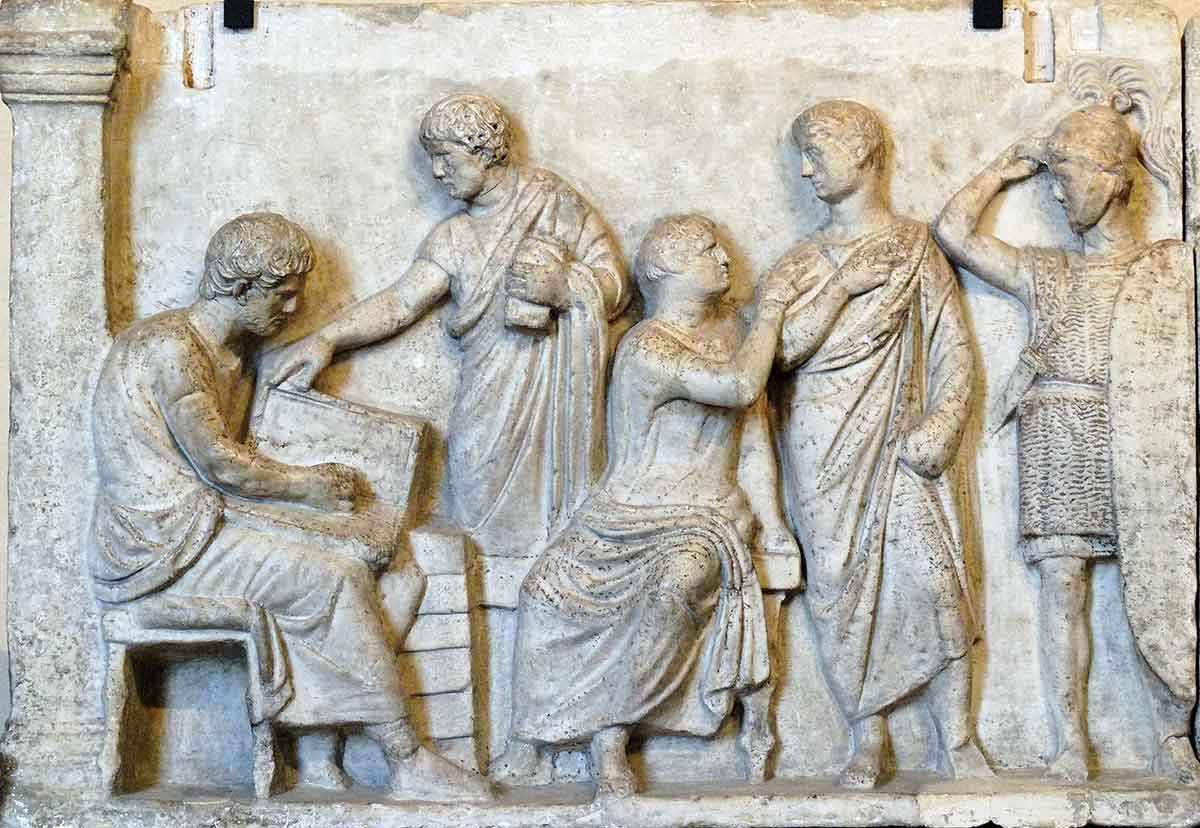
In 167 BC, conquests, including the rich silver mines of Hispania (Spain), meant that enough wealth was able to flow into the treasury that taxes on Roman citizens were eased. The provinces took up much of the fiscal burden. The censors had enough problems keeping track of the Roman citizens in Italy, never mind the provinces, so a simpler way was devised. Provincial governors would be responsible for collecting taxes on a province-wide basis. Rather than directly collect the taxes at a fixed rate, the role of tax collector would be auctioned off to private individuals called publicani. The money given to Rome by the publicani was a sort of loan, which would be paid back to the individual tax collector with interest.
Tax collectors assessed the wealth in each province and collected an agreed amount for the treasury. It was paid in currency, but also goods, such as grain, animals, or luxury items, would be liquidated and turned into currency. After paying the agreed amount, whatever extra the publicani raised was his to keep. As can be imagined, this led to incredible corruption, with tax collectors extorting provincials for more than they actually owed. They could also collude with local officials to maximize profit. For example, they could underreport the amount of grain grown in a region and store it. They would then report the hidden grain during famines when prices were higher, increasing their cut.
Taxes and the Professional Military
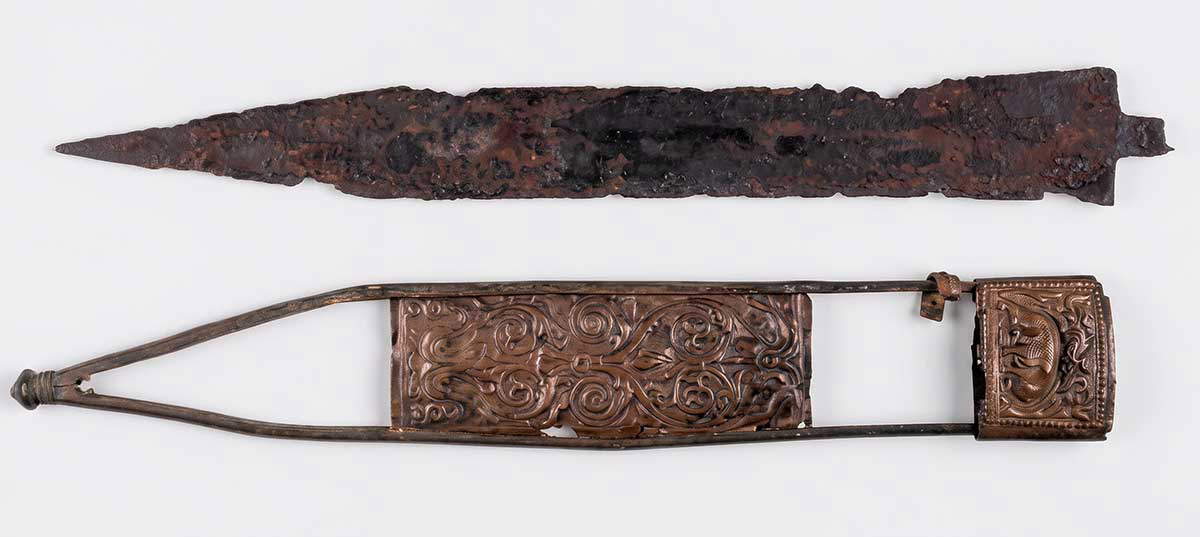
During the final days of the Republic, the military underwent a revolutionary change. Gaius Marius did away with the property restriction and opened up the ranks to any Roman male citizen regardless of social class. Of course, these recruits would not have the finances to provide their own equipment. From that point on, Rome’s military was recruited, trained, and equipped at state expense. The exact system would evolve over the years, becoming more refined, but from the time of the Marian reforms, the legions would be the greatest expense of the Roman state.
The Roman tax system had to evolve as well. Under Augustus, the system was reformed into a more streamlined format. Rather than farming it out to outside contractors, taxes were levied directly on the provinces and paid straight into the treasury. As had been the case, the tax was a 1% wealth tax as well as a flat poll tax for each adult. These would be supplemented by sales tax on slaves at 4% as well as customs and import duties at ports. There was also a “freedom tax.” Slaves were allowed to work for extra income and buy their freedom, which came with a 5% tax on manumission. There was also an inheritance tax for the heirs of the deceased.
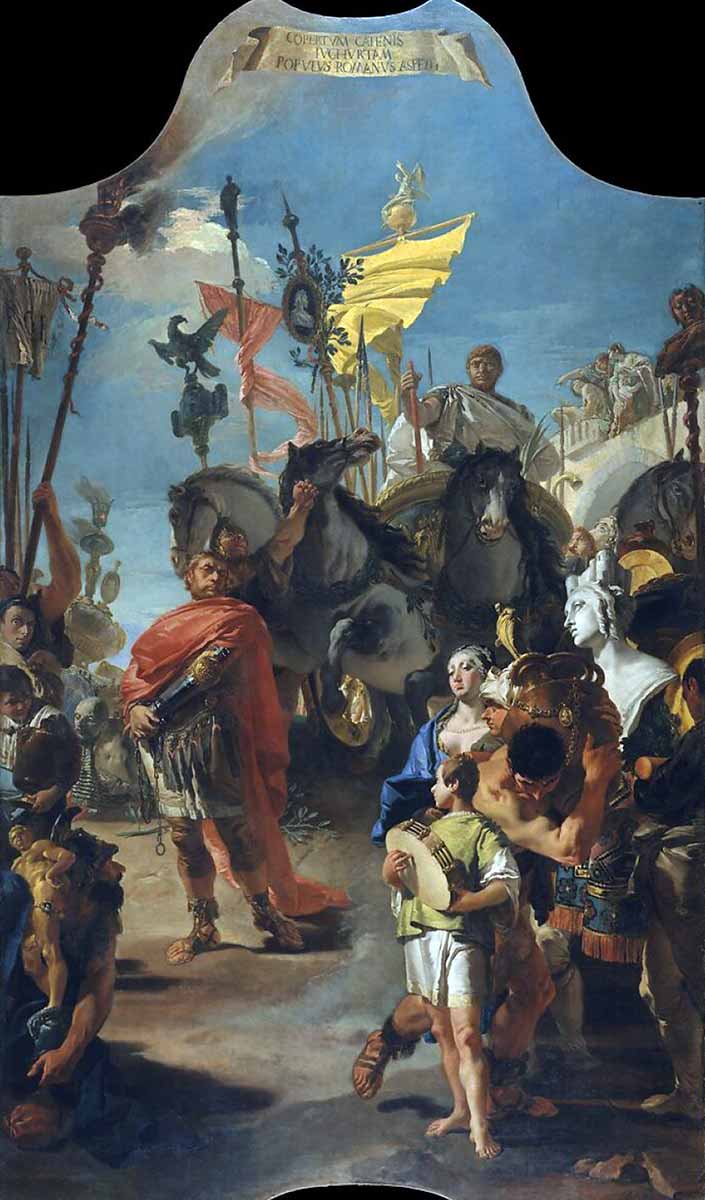
These funds went to the general coffers, which kept the military up and running, but there was one tax that was designated specifically for Rome’s legions. Auctions were taxed on their profits, which went to the legionary’s pension fund. Subsequent emperors implemented their own tax reforms based on the needs of the Empire or their own inclinations.
The constant flow of money into the treasury kept the massive war machine rolling. This helped fuel expansion, since the wealth of newly conquered territories helped fill the treasury. When Roman expansion ground to a halt, this became more of a problem. This massive force was still needed to guard Rome’s frontiers, and required massive expenditure, with little, if any, financial return.
Blatant Bribery
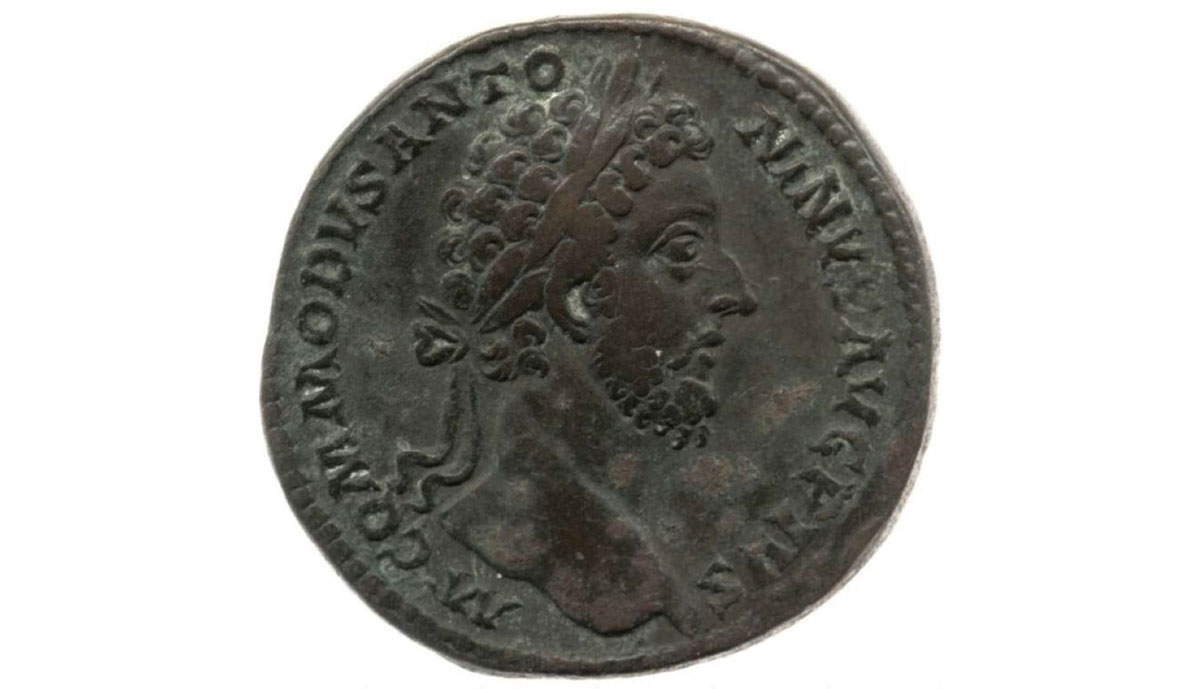
Having a professional military is expensive under normal circumstances. Weapons, armor, equipment, shelter, food, medical supplies, base pay, and a pension fund were all provided at state expense for hundreds of thousands of men over a continent-spanning empire. In addition, if there are thousands of heavily armed, disciplined, and organized men, it is best to keep them on the ruler’s good side. To keep the legionaries happy and prevent revolts, donatives, special irregular payments, were made. Though it was often characterized as a gift to the hard-working legionaries, they were blatant bribes.
Every time a new emperor ascended to the throne, he issued a donative to the troops, giving them a sum of money as a way to ingratiate himself and solidify his power. The most blatantly corrupt soldiers were the Praetorian Guards, the emperor’s bodyguards. Of course, they were given the largest donatives, since it’s best to keep one’s bodyguards happy. This turned into a money-making racket, with the Praetorians openly extorting the emperors into larger and larger gifts for their loyalty. This came to a head in 193 after the death of Commodus. He was succeeded by Pertinax, who tried to rein in the extravagant spending and only provided a modest donative. He was overthrown after less than three months. The Praetorians then took on the role of kingmaker, literally auctioning off the throne to the highest bidder, Didius Julianus, who was himself overthrown a few months later.
The Army’s Greed Bankrupts the Empire

Though the Praetorian Guard was the most greedy and blatant example, soldiers around the empire expected a generous gift every time a new emperor took the throne. During the Crisis of the Third Century, the imperial throne was held by a revolving door of claimants, many of whom never even reached Rome to take the reins of power. Part of the reason was the soldiers themselves. Should a general win a victory, no matter how small or seemingly insignificant, his legions would declare him emperor and demand that he march on Rome to overthrow the current ruler. Within their acclamation was an undercurrent of a threat. Should the general not stake a claim in power, his troops would see him meet an unfortunate end.
In short, money from the treasury was spent not only on weapons, armor, food, and other logistics needed for a military, but also on overt corruption. The army was a cash-grabbing institution that required ever-increasing bribes to stay loyal. Taxes had to be raised to meet the demand for gifts to keep the army loyal, which pushed the empire’s finances to the breaking point. Tax revenues, which were falling anyway due to a general economic slump, weren’t enough to keep the army happy. Something else was needed, and the solution would cause more issues than it solved.
Debasing the Currency
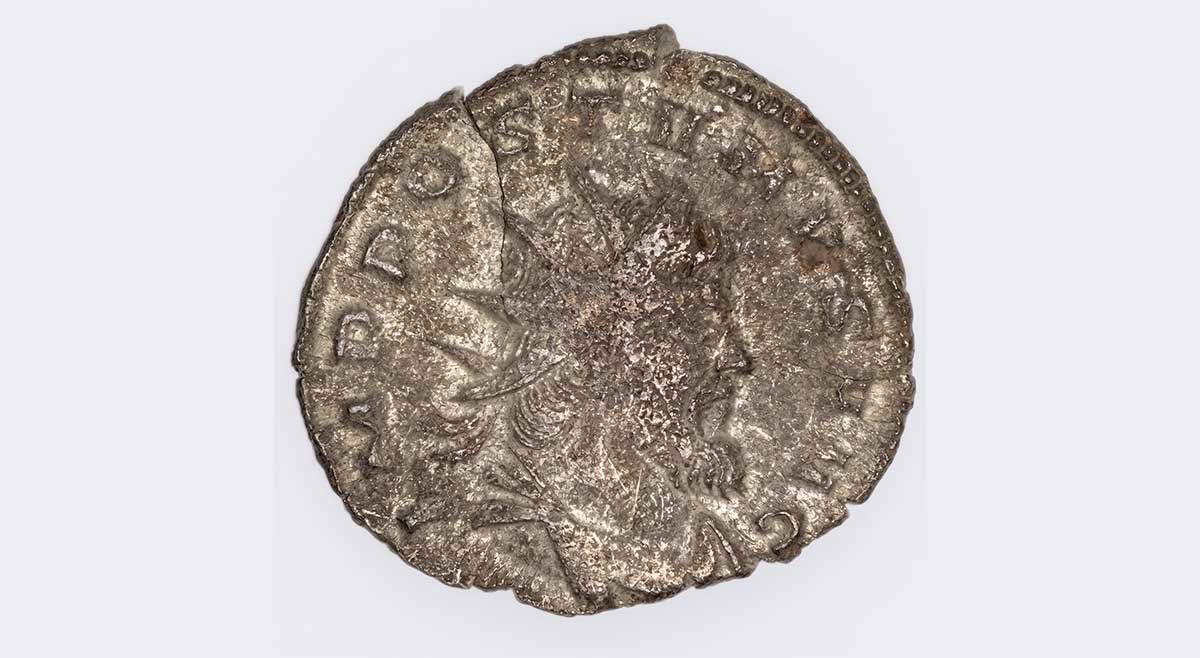
From the time of the Punic Wars, Rome minted its own currency in the form of several denominations of coins, including the famous denarius. It was the backbone of the Roman economy, made of around 95% silver. Other coins were also minted, including smaller coins made from bronze and a gold coin from the reign of Augustus. The purity remained relatively unchanged for centuries, so anywhere in the Roman world, from Gaul to Egypt to Anatolia to Hispania, all had the same dependable, standardized currency.
One of the first emperors to debase the currency was Nero. To fund military operations and large public works, he had the denarius lowered in silver purity. It was a small amount, with the coin changing from 3.9 grams of silver per coin to 3.4, but it caused economic instability. Centuries of trust in the purity of coinage evaporated instantly. Inflation, or the lowering of the value of money, took hold.
Later emperors continued to chip away at the purity of the currency. By the time of the emperor Caracalla at the beginning of the 3rd century, it was only 50% silver. During the Crisis of the Third Century, generals scrambled for ways to pay their troops to keep them loyal. However, they didn’t always have access to the quantities of silver needed, and tax revenues continued to drop. By the reign of Gallienus in the mid-3rd century, the denarius was about 2% silver. Basically, it was a piece of copper with a thin and easily worn silver coating. It is important to note that military spending, legitimate or otherwise, was not the only reason for the currency debasement, but it was a major factor.
An Unstable Economy
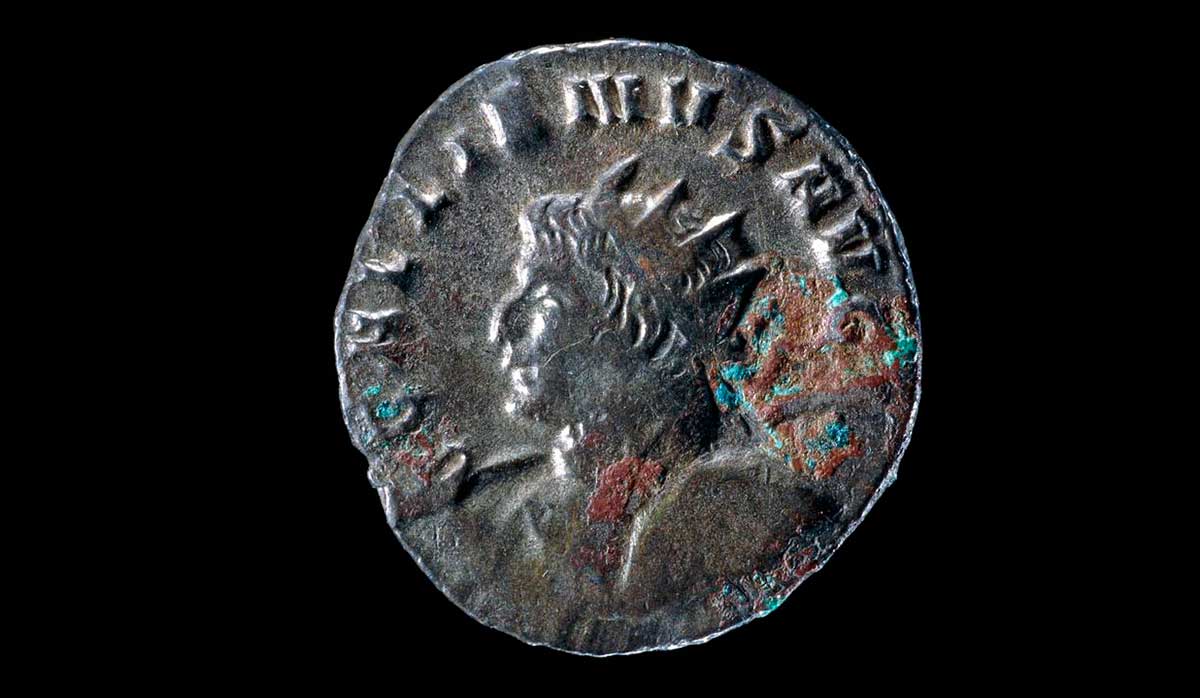
Rampant inflation increased the cost of even the simplest transactions. Older, purer coins were hoarded rather than spent, taking them out of circulation. The interconnected economic network that spanned the Roman world came apart, with many resorting to cumbersome barter, which makes complex economics difficult if not outright impossible. For the army, the inflation meant they demanded higher and higher donatives to stay loyal. Emperors had to pay them more and more to keep them from revolting, which meant that they had to debase the currency further, a cycle that spiraled out of control. Later emperors would try to stabilize the chaotic situation, but the damage was done.
In the end, the Roman army was a massive expense for the Roman state and taxpayers. When expanding to new lands, the cost could be absorbed by tributes and plunder, but once the empire reached its territorial limit, these sources of revenue dried up. The cost of maintaining such a large military was then placed on the taxpayer, who could not keep up with the demand. Soldiers expected higher and higher bribes for loyalty, which led to the debasement of the currency, causing economic chaos. This was not the only factor, but the economic struggle caused by the large military was one of the factors that contributed to the decline and fall of the Roman Empire.