Living in a society where consumerism is king, minimalism offers a breath of fresh air. It draws on ancient wisdom as well as its modern interpretations, encouraging us to strip away the excess layers and focus only on things that truly matter. Its roots can be traced back to Stoicism and Buddhism. Today, there are people who call themselves digital minimalists because they are addicted to social media. But all minimalists, regardless of their stripe, wonder whether our unceasing quest for more might be misguided. Let’s explore this further.
Stoic Minimalism: The Ancient Roots
In ancient times, Greek and Roman thinkers loved Stoicism. They believed that to be happy, people should live simply and calmly—focusing only on what they can control, not on what they want but might not get. For example, both Epictetus and Marcus Aurelius said true happiness comes solely from one’s character or way of thinking.
Take Epictetus. Born a slave, he became a famous teacher (though he used to say it was nothing special). He argued that things outside us, such as social status, do not affect how happy we can be.
The Roman emperor Marcus Aurelius agrees with this view in his famous book Meditations. He wrote that people need to control themselves if they want to lead good lives. There’s no point craving luxury or other things over which you have little power. As Marcus saw it, most of what happens isn’t up to us anyway. So why let these externals rule our roost?
In this busy world where consumers reign, Stoic minimalism offers a way to clear our minds and lives by focusing only on what’s truly important. Instead of buying the newest electronics or fashion trends, followers of Stoicism would concentrate on things like personal growth, relationships, and virtues such as wisdom and courage.
One way to practice Stoic minimalism is through mindful consumption—asking yourself whether you really need something or if it’s simply a passing want.
By embracing this philosophy, we can strip away mental and emotional clutter to leave room for a more peaceful existence with greater meaning. In short, it teaches us that not only is the saying “less is more” true, but also that less is everything.
Thoreau’s Walden: Transcendentalist Minimalism
Henry David Thoreau’s Walden is still relevant today as an instruction manual for minimalist living. Written during a two-year break from society spent in a cabin near Walden Pond, the book argues powerfully for simplicity, self-sufficiency, and getting back to nature.
“Simplify, simplify,” urges Thoreau. He wants his readers to strip back anything needless in order to concentrate on what is truly important in life. Minimalism shouldn’t just be about having fewer possessions; it should mean living intentionally and appreciating the world around oneself.
Thoreau illustrates this last point well. He writes about how he grew his own food, constructed his own shelter, and took time each day to observe—and revel in—the beauty all around him.
His transcendentalist ideas are surprisingly relevant in today’s world, which is full of information and consumerism. He tells us we should simplify our lives – something that can be seen in the modern-day minimalism movement as people try to be happy with fewer material things around them and focus instead on only what brings true joy.
For instance, someone living this way now might embrace a tiny house lifestyle (where people downsize to live in small homes of about 400 sq ft), take digital detoxes regularly, or follow sustainable living practices such as composting everything or growing their own food.
When we return to Walden, we find it saying something timeless. We often forget the beauty and calmness that come from nature if we’re always striving for more things to put in our house or driveway.
Buddhist Minimalism: The Middle Path
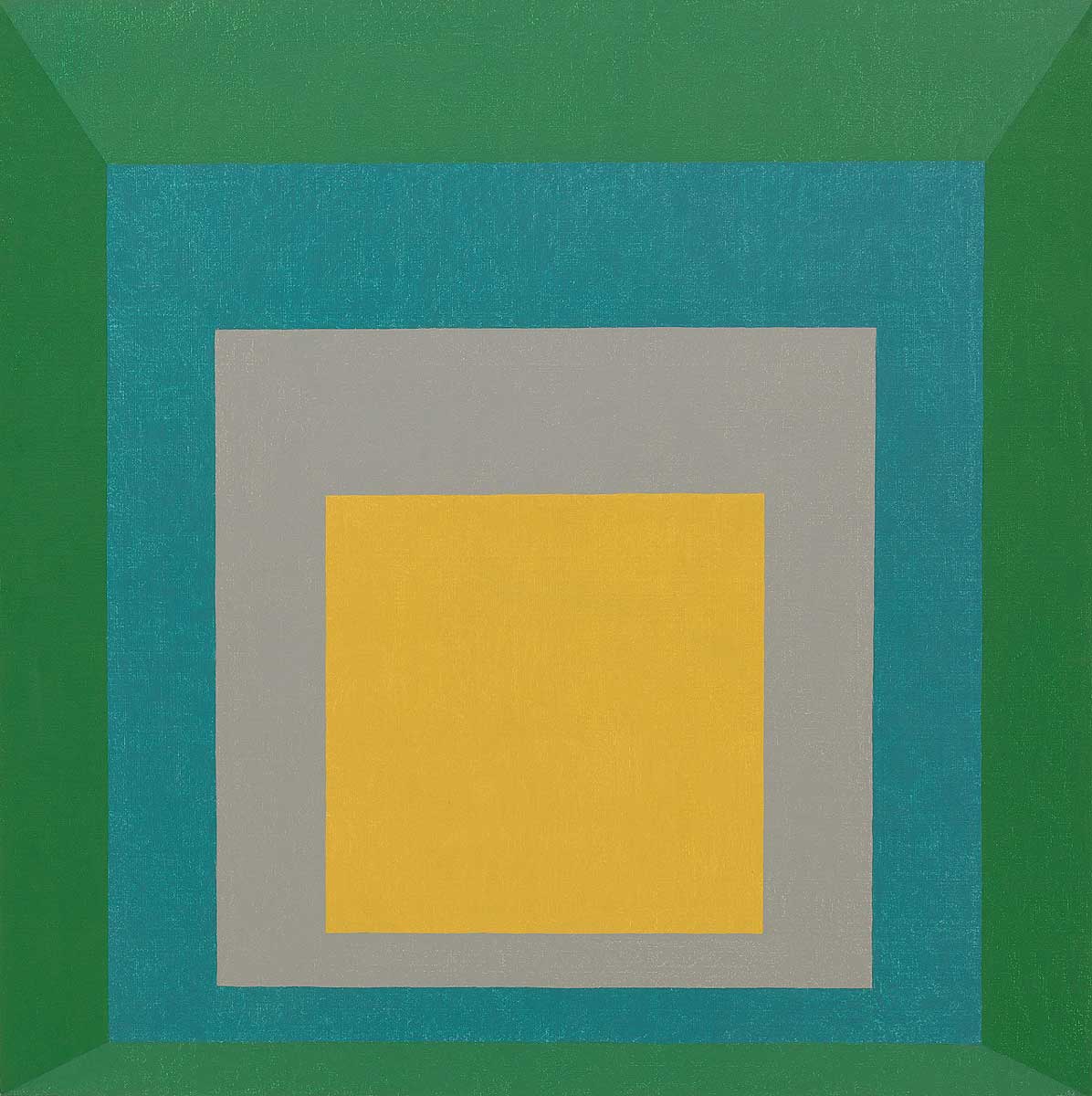
One can find a strong basis for minimalism within Buddhist teachings through the principles of detachment, non-attachment, and the Middle Path. Buddhism suggests that we aim for balance and steer clear of both too much and too little in life.
Within this Middle Way is a life where we are not controlled by our desires or belongings. Instead, we focus on spiritual growth and inner peace. One aspect of this philosophy is detachment—letting go of both cravings and clinging to material objects because they cause us suffering.
For example, just because Buddhists practice “non-attachment,” it does not mean giving up everything. It also means not relying on them emotionally for happiness.
In an era dominated by consumerism, Buddhism offers a fascinating counterculture: minimalism. Its present-day adherents might practice mindfulness while decluttering their homes, live in the moment by carefully considering purchases, or find joy not in material objects but in helping others selflessly.
Rather than coveting new gadgets or fashion trends, for example, they seek happiness through activities such as meditation (or walking outdoors with full attention).
By embracing “the Middle Path” and cultivating non-attachment to stuff, Buddhist minimalists argue that people will become happier, more focused, and more content—as well as have richer experiences.
Existential Minimalism: Simone de Beauvoir and Authentic Living
Simone de Beauvoir, a well-known existentialist philosopher, provides a unique perspective on minimalism rooted in authenticity and freedom. According to de Beauvoir, living authentically means breaking free from societal norms and expectations and the endless cycle of consumerism.
De Beauvoir argued that true freedom comes from self-awareness and self-expression rather than having lots of things. In an existentialist context, minimalism can be seen as a route to being true to yourself –– stripping away what’s unnecessary and revealing who we are beneath it all, along with what we truly care about.
In a culture so focused on material gain, de Beauvoir’s philosophy prompts us to ask ourselves: “What do I actually need in order to live a fulfilling life?” An existential minimalist might decide that instead of collecting stuff or trying to keep up with every single trend, they’ll concentrate on personal growth—or building strong relationships—because these are things that reflect who they really are.
Examples of this can be seen in many aspects of contemporary life. People may choose a job they are passionate about rather than one that pays well or decorate their home to create a certain ambiance rather than simply trying to impress visitors.
By rejecting consumerism and embracing simplicity, we can more thoughtfully consider our true desires and structure our lives accordingly. De Beauvoir’s philosophy also reminds us that minimalism is not solely about having fewer possessions. It is about feeling liberated to express oneself fully.
Digital Minimalism: Cal Newport’s Modern Take
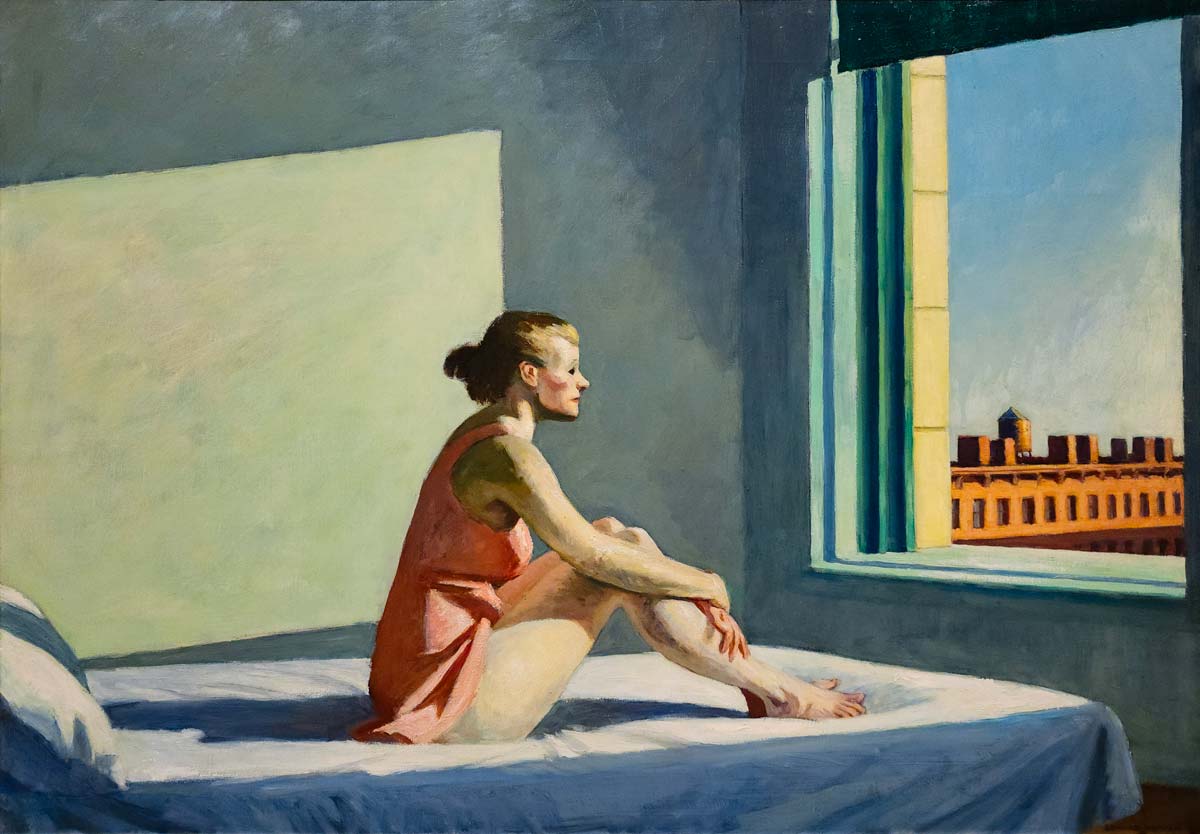
Cal Newport’s concept of digital minimalism offers a fresh outlook on how we should engage with tech. It advocates deliberately using digital tools to improve our lives.
In Digital Minimalism: Choosing a Focused Life in a Noisy World, Newport suggests that by constantly seeking connection through our devices and distracting ourselves with social media, notifications, or aimless scrolling, we prevent ourselves from being able to do profound work, form sincere relationships, or experience true contentment.
Newport doesn’t think we should quit technology altogether. Instead, he wants us to be more mindful about only using it when it actually helps us live according to our values and aspirations.
One of Newport’s suggestions is to do a “digital declutter.” It means getting rid of apps and platforms that don’t serve us well and focusing on ones that do—then enjoying the activities we actually value, like reading or being with family.
For instance, someone who’s embraced digital minimalism might decide to use social media for just half an hour each day. When they’re bored, or it’s natural to check Instagram, they’ll go for a walk in nature instead.
In an era where we’re always online and immersed in information, Newport’s ideas offer a way to regain both your time and attention.
By adopting digital minimalism practices, individuals can clear out the mental clutter created by personal technology and rediscover the pleasures and satisfactions of offline life in leading richer, fuller lives with regained autonomy and mental composure.
The Ethical Minimalism of Peter Singer
Peter Singer, a well-known philosopher, presents an interesting take on minimalism based on ethics and caring for others. His philosophy is all about effective altruism – using what we have to do the most good.
According to Singer, if millions of people live in poverty—and there are—then we have a moral obligation not to have heaps of stuff when it doesn’t do us any good. Instead, we should use our resources (whether that’s money or time) to help those less fortunate than ourselves.
Ethical minimalists can make a tangible impact by consuming fewer resources and redirecting their wealth and energy toward things that matter. They can literally change the world for the better.
The Singer method urges us to reconsider how we spend our money. Rather than buying fancy things for ourselves or getting the latest iPhone upgrade, he suggests giving some of it away to effective charities or nonprofits that work to save lives or improve society.
This is ethical minimalism because it says that sometimes having less stuff can mean doing more good overall. For example, someone who follows ethical minimalism might live in a small house on purpose, try not to make lots of garbage, and only buy things they really need.
By living this way, you can have the biggest positive impact on others. It captures the idea expressed by Peter Singer that we have a moral obligation to live simply if, by doing so, we enable others—both now alive and who come after us—also to live at all.
So, What Is the Philosophy of Minimalism?

The philosophy of minimalism is a deep reaction to the disorder caused by consumer culture. It advises us to jettison everything unnecessary and concentrate on what’s truly important.
Minimalism isn’t just about clearing out our homes. It’s an approach to life that involves simplifying our thoughts, actions, and possessions so we have space for meaning and purpose.
Ideas behind minimalism can be found in ancient teachings from Buddhism and Stoicism as well as in more recent writings by thinkers such as Henry David Thoreau and Cal Newport. They all question the idea that having more will make us happier.
Instead, they suggest living thoughtfully, being aware of how we spend our time (even online), and considering the impact of our choices on ourselves and others.