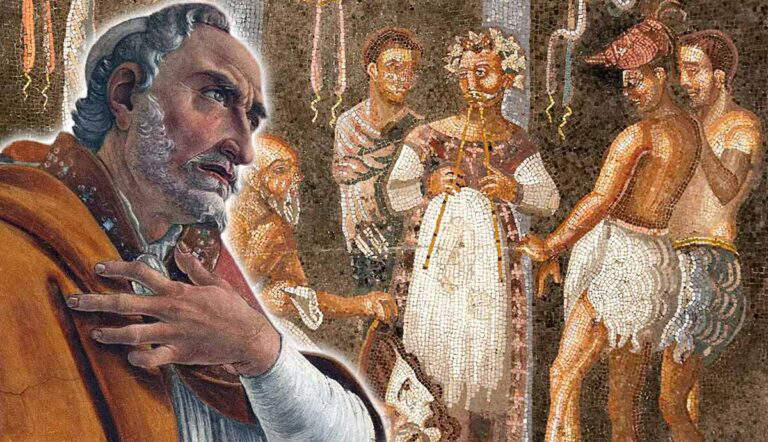
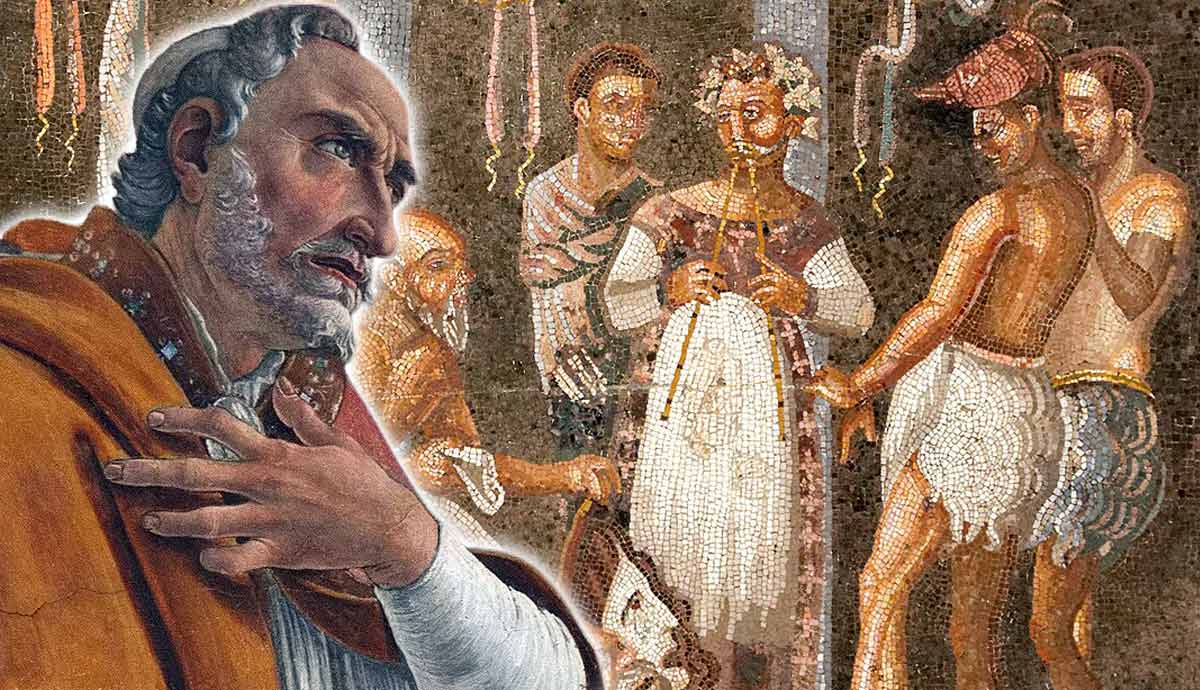
Christians were appalled by the immorality of the plays presented in Roman theaters. They feared for the spiritual well-being of people who found this entertainment captivating, thereby leading a number of the early Church Fathers to speak out against it.
Origin of Roman Theater

Roman theater’s roots lay in Greek theater. Scholars cite Thespis (6th century BC), a Greek poet, as the father of the genre of tragedy, as it was he who stepped out of the chorus and introduced audiences to one sole actor, called the protagonist, who related a story to them. The word “thespian,” used as a synonym for “actor,” comes from his name.
The Greek playwright, Aeschylus (c. 525 – c. 455 BC), added a second character, called the antagonist, with other playwrights expanding the number of players as time passed.
The first plays were performed at the spring religious festival of the god Dionysus (called Bacchus by the Romans) in Athens at the Acropolis. They included sacrifices made to the god. In fact, most of the dramas presented by the Greeks focused on mythological stories with their deities at the center of them.
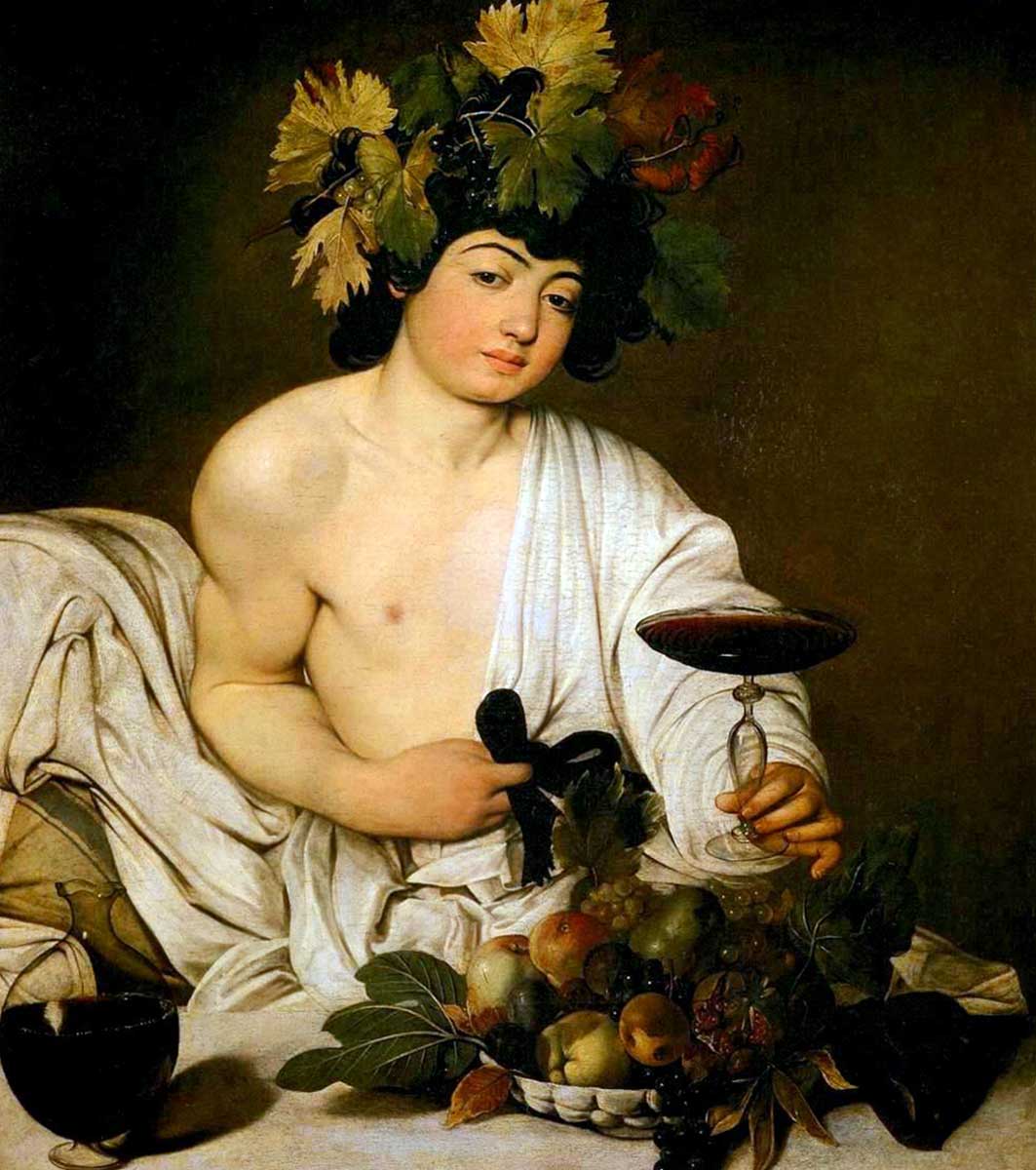
Comedies related to mythological stories as well, but they did not revere the gods. The presentations were lewd, crude, and were usually sexual in nature, with the actors’ costumes exaggerating their sexual organs.
This is the theater that the Romans inherited and adopted for themselves. Whether comic or dramatic, all the plays were tied to religion in one way or another. By Christ’s time in the 1st century AD, two popular genres had emerged. The mime offered ridiculous stories, told with lots of sexual innuendo and was profane in both content and language. The pantomime was a presentation of mythological stories acted out in dance and music. However, it was not just the immorality and lewdness of the plays that offended the Church Fathers, it was the fact that some of these plays ridiculed Christians and Christianity outright.
Clement of Alexandria: Theater as Cesspool

Clement of Alexandria (c. 150 – c. 215 AD) was the first early Church Father to weigh in on the issue. In his treatise, Exhortation to the Greeks (a term used for pagans), he condemned the plays that were based, as he put it, on “the cesspool” of mythology retold by “drunken poets.” He noted that these stories drew people into “the company of demons.”
Tertullian: Church of the Devil

Tertullian (c. 155 – c. 220 AD) did not mince words either when it came to his criticism of Roman theater. He wrote, “How despicable it is to go from the church of God to the church of the devil . . . to raise your hands to God, and then to wear them out clapping for an actor.” He exhorted Christians to abstain from theater-going, citing the first verse of Psalm 1, which states that “blessed is the man who has not gone into the assembly of the impious, nor stood in the way of sinners, nor sat in the seat of scorners.”
Tertullian stated that God, the Bible, and the Church offered experiences far superior to anything the theater might present. “What nobler than to tread underfoot the gods of the nations — to exorcise evil spirits — to perform cures — to seek divine revealing — to live to God?” he opined.
John Chrysostom: Is Your Body Made of Stone?
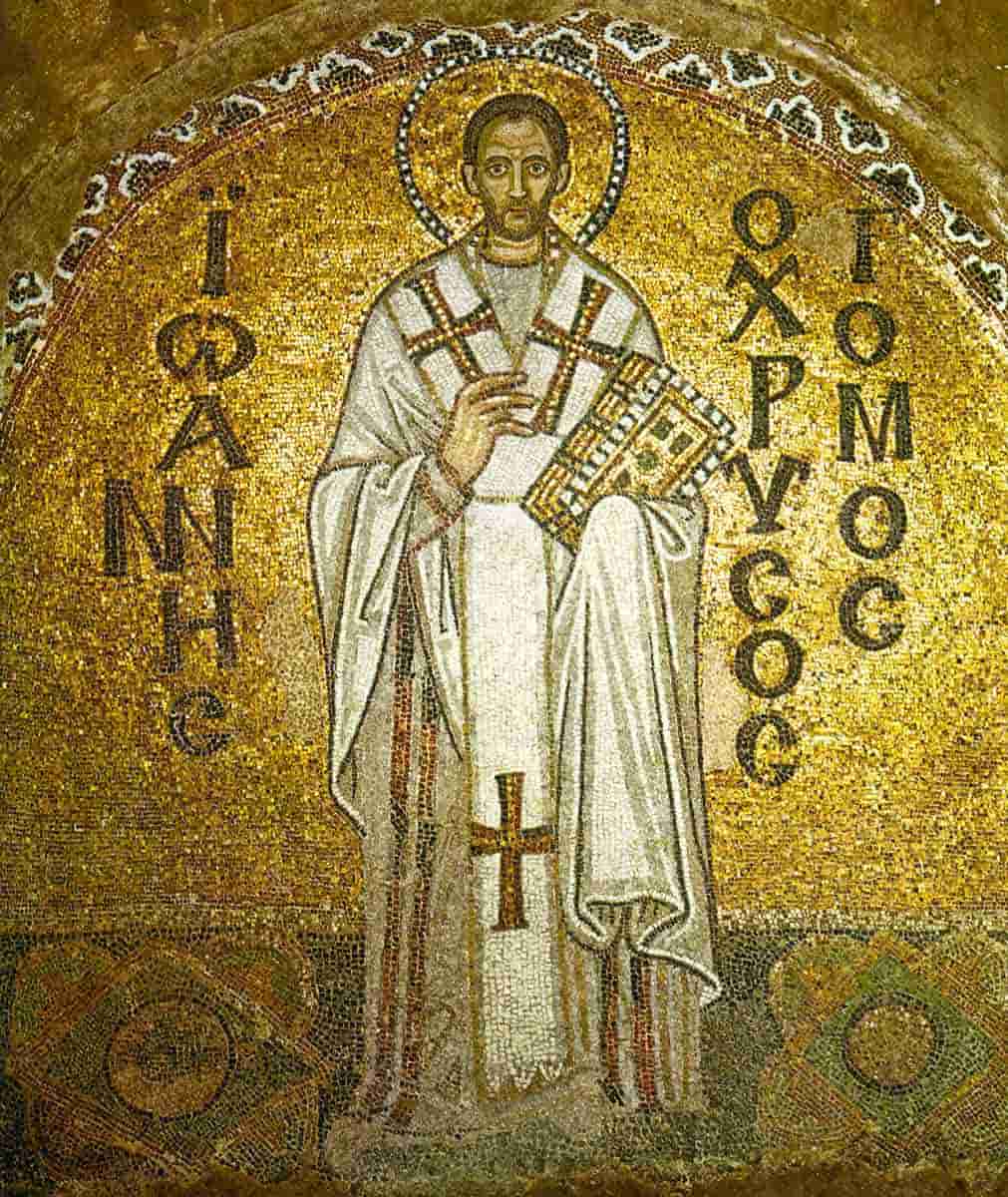
The fact that the theater was so spectacular became a problem for the Church, one that John of Antioch, nicknamed Chrysostom (c. 347 – 407 AD), identified, noting that people who attended the theater came to church expecting to be amused. “They sit there like critics,” he said, demanding “tragedies and musical entertainment.”
His nickname, Chrysostom, literally means “Golden Mouth,” and it was given to him because he was a particularly fine orator. Yet, he felt embarrassed when people praised his preaching, not wanting to be compared at all to the actors in the theater and their eloquence. The true theater is spiritual, he noted, and the greatest story ever told is that of Jesus Christ and the good news of the salvation he offers to humankind. Yet, he noted, people chose to go to the theater rather than church, even on Good Friday.
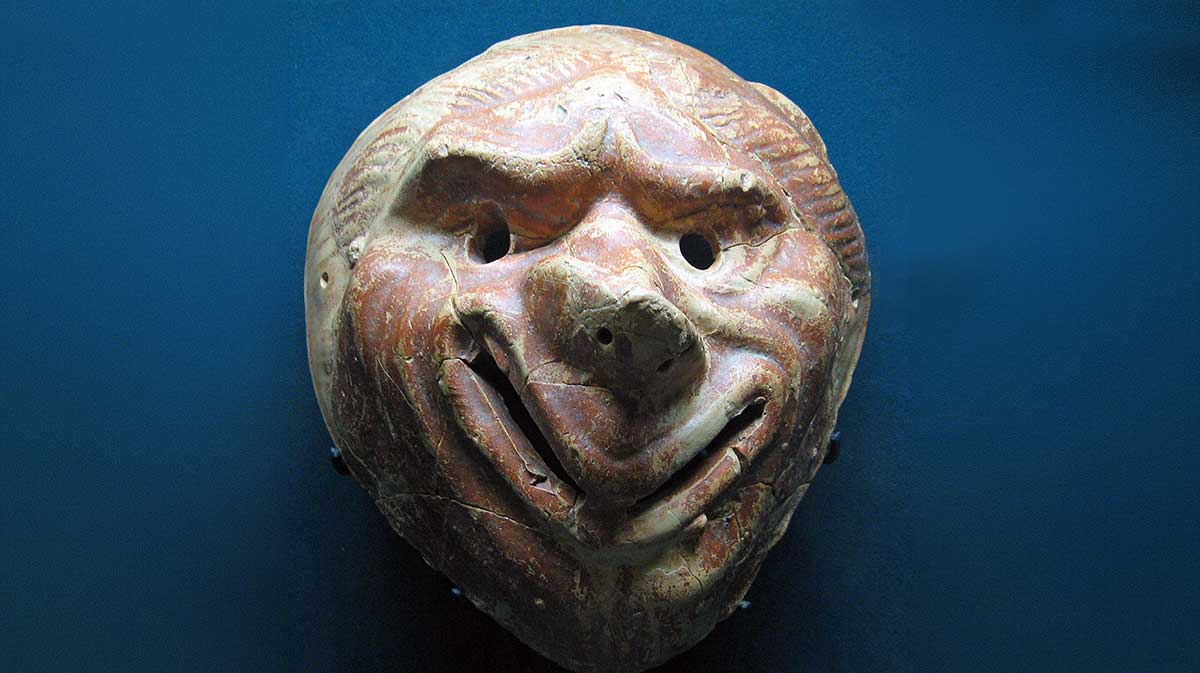
Chrysostom was most concerned about how plays could provoke sexual lust, writing about a prostitute who was “finely dressed” and “flirted seductively with the audience.” He said he could not see how the men in attendance could not be aroused by this, writing, “Is your body made of stone? Or iron? . . . If someone lights a fire in his lap, will he not burn his clothing?”
He concluded by saying that “each man takes home with him much of what he has seen there, so it sticks to him like the infection of a plague.”
Augustine: Shameful Insanity
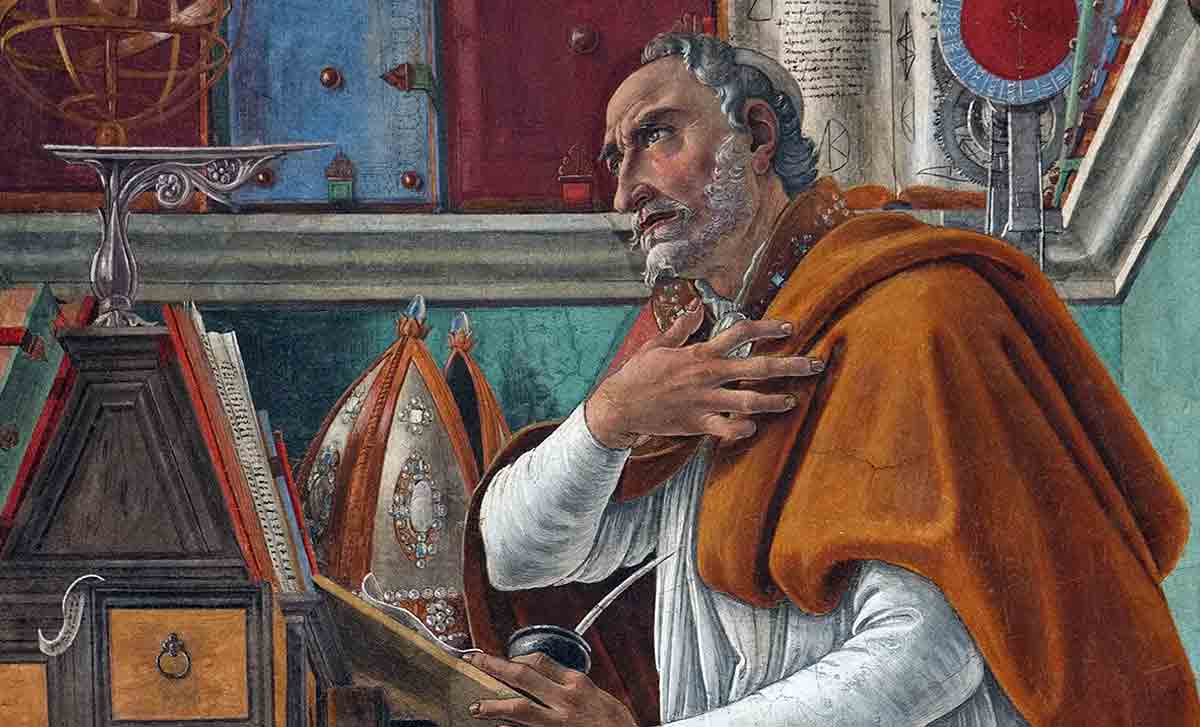
If any of the Church Fathers understood immorality and debauchery, it was Augustine (354–430 AD). He lived a licentious lifestyle before his conversion in 386 AD. The morality of the Christians, which he saw was rooted in the love of the Lord, impressed him greatly, and he became ashamed of his own moral failures.
In his Confessions, Augustine noted that he had wasted a lot of time attending theatrical performances in his younger years and had been negatively aroused to sinful passions because of them. For this reason, he spoke out against them, saying that they would take people away from God, rather than to him. Ultimately, Augustine condemned the plays presented in Roman theaters as “shameful insanity.”
Greek and Roman Moralists and Philosophers Weigh In
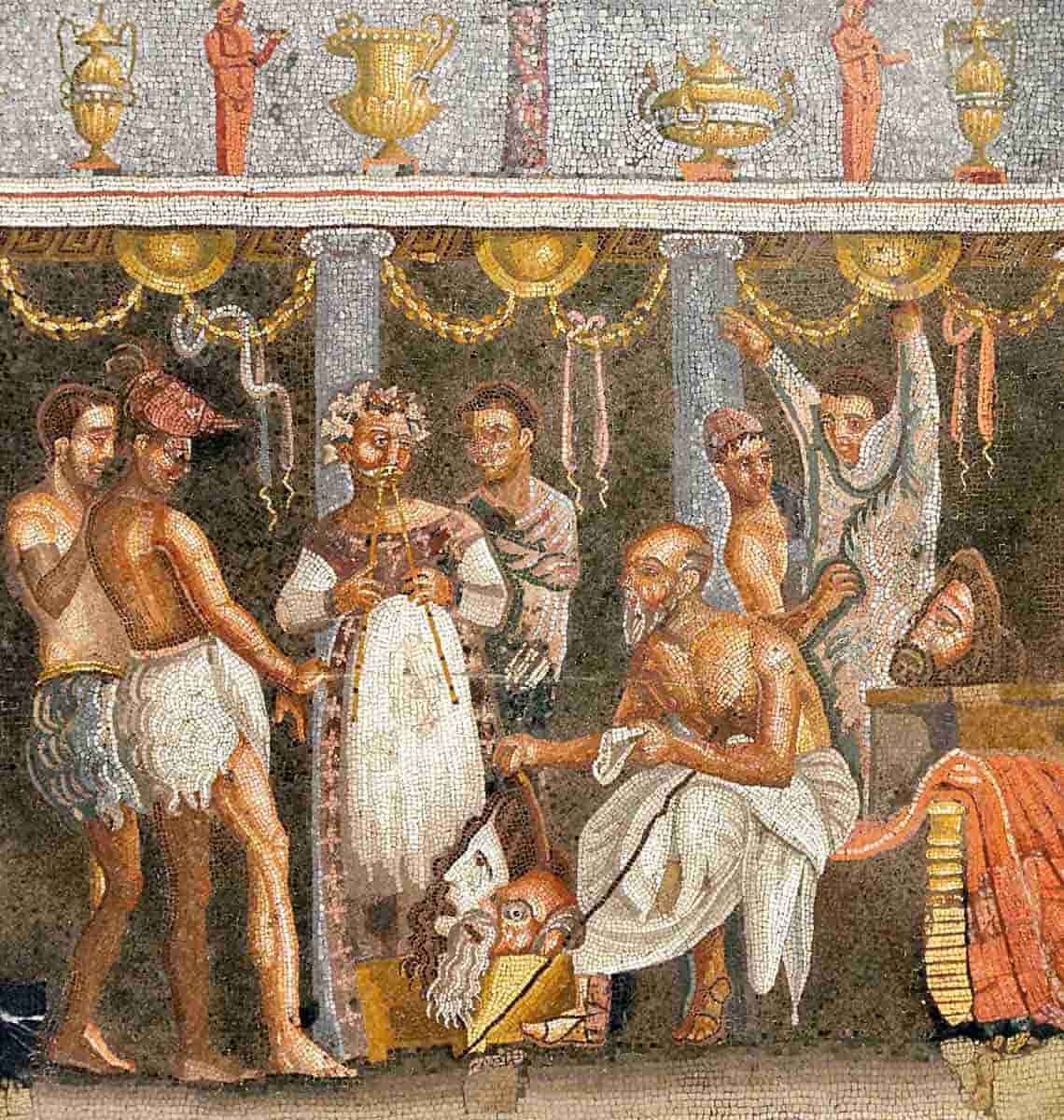
Christians were not the only people appalled by the debauchery of popular theater. Greek and Roman philosophers and moralists spoke out against them as well. For example, Aelius Aristides (117–181 BC), a noted Greek orator, wrote a letter to the leaders of the city of Sparta condemning dancers as morally bereft and a bad influence on the public.
Actors were considered the lowest of the low in Roman society, not just by Christians, but by pagans as well. Actors were, for the most part, either foreigners or slaves, and were dismissed as sexually immoral.
A Christian liturgical work from the 3rd century AD, entitled The Apostolic Tradition of Hippolytus of Rome, reveals that actors had to give up their livelihood if they wished to be baptized and join the Church. Notably, they were listed along with prostitutes, astrologers, craftsmen who made idols, gladiators, and soldiers.
Genesius of Rome: An Actor’s Conversion Story
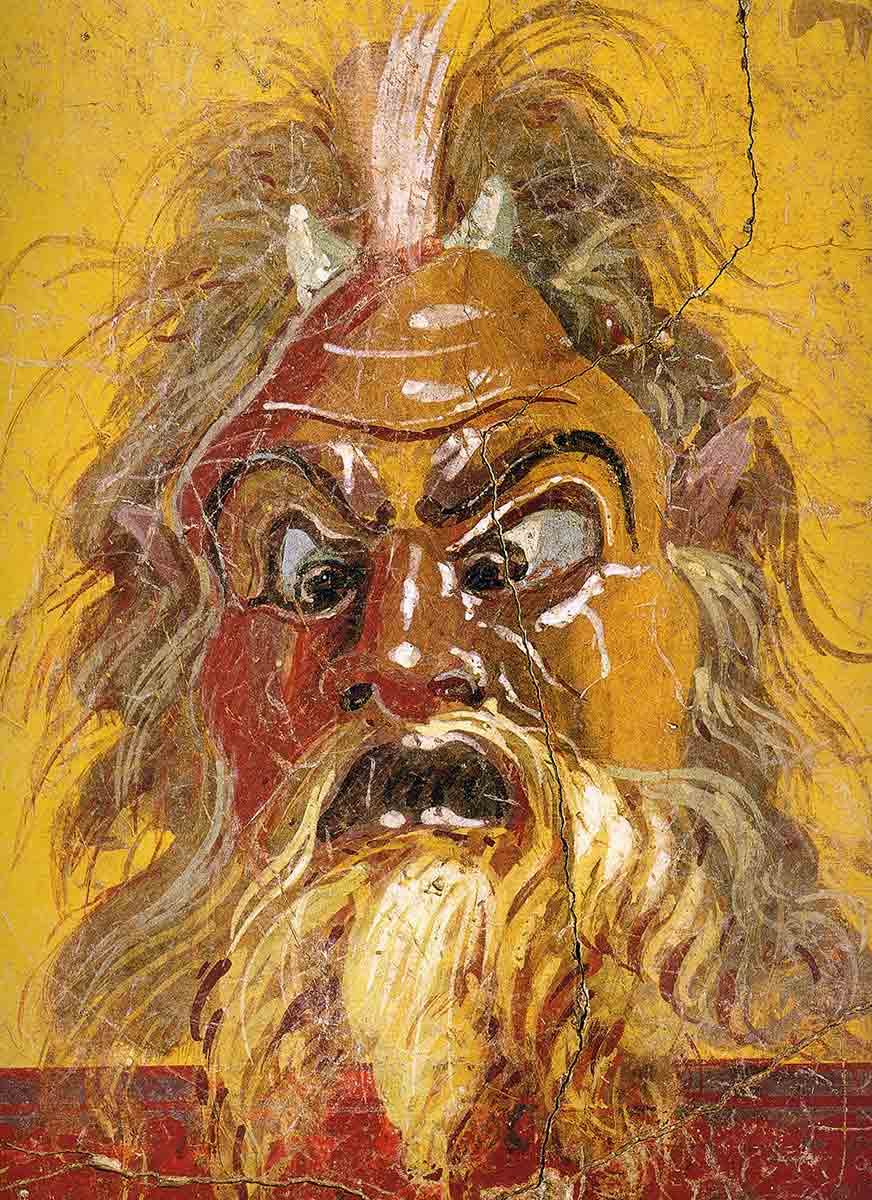
Legend has it that one Genesius of Rome (4th century AD), an actor, came to Christ through his appearance in a play he wrote that ridiculed the Christian sacraments. During the performance in which he presented baptism as a ludicrous practice, he fell to the floor of the stage, pretending to be sick. He called for water with which to be baptized because he feared he was dying. The audience included Emperor Diocletian, and the crowd roared with laughter at the farce.
However, at the moment when an actor poured water over his head, Genesius stood up and declared his faith in Jesus Christ. The other actors thought their fellow thespian was adlibbing and continued to mock Christians and the sacrament of baptism. But Genesius was sincere in his newfound belief, and when Diocletian realized this, he ordered the actor’s clothes to be ripped from him, calling for him to be whipped and beaten right then and there to make him change his mind.
Genesius refused to do so, and the emperor had him thrown into prison where, as the story goes, he was tortured daily, enduring the rack, as well as being torn with iron hooks and burned with torch flames. However, he did not acquiesce, and he was beheaded in 303 AD.
The Church designated Genesius the patron saint of actors as well as clowns, comedians, musicians, dancers, lawyers, epileptics, printers, and victims of torture; an interesting mix, to be sure.
Other Spectacles Considered Offensive
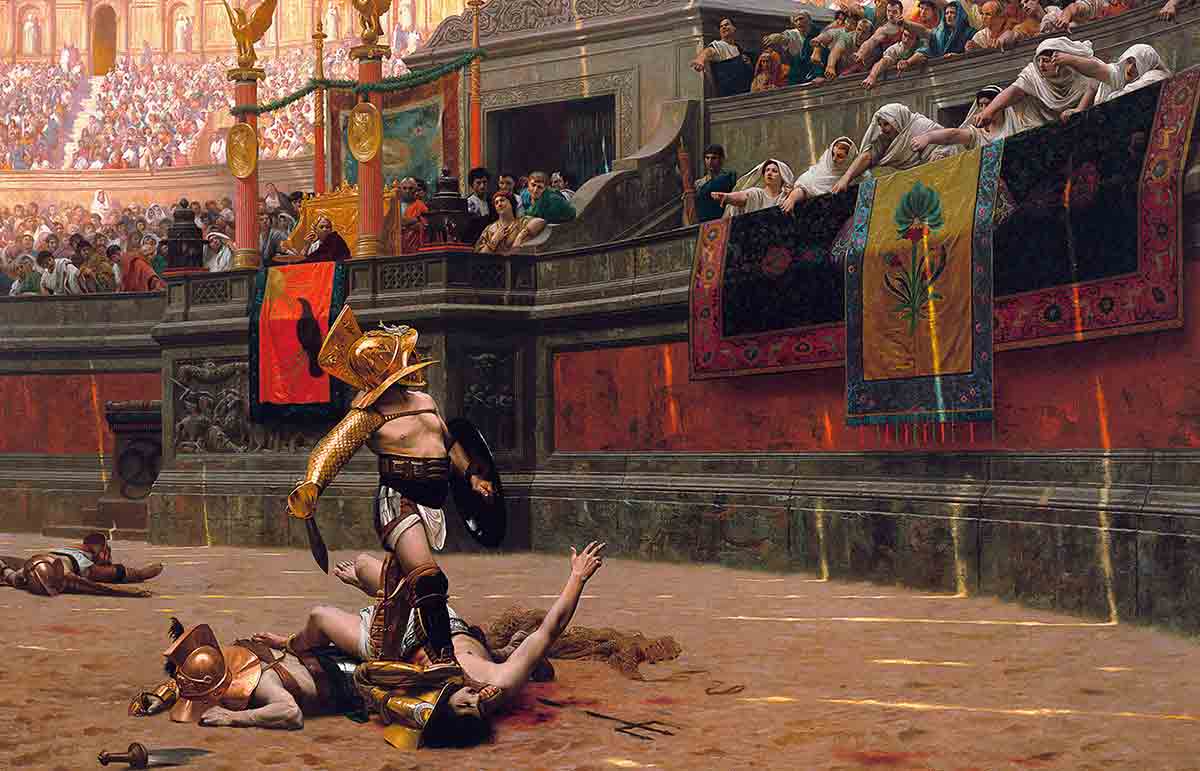
Christians abhorred other forms of Roman entertainment as well, including gladiatorial games, chariot races, and the contests between man and beast in the arena. They condemned the violence, the cruelty, and the bloodshed in these events, events over which the crowds went wild. Tertullian condemned them all, saying, “Everything in the pagan spectacles is idolatry.”
Anyone associated with these events, whether they be gladiators and their instructors or the men who tended the horses and other animals used in the games, had to renounce these occupations before being baptized into the Church. Everything that they stood for went against what Christ taught and, therefore, had to be abandoned.
Why Christians Did Not Create Their Own Theater?
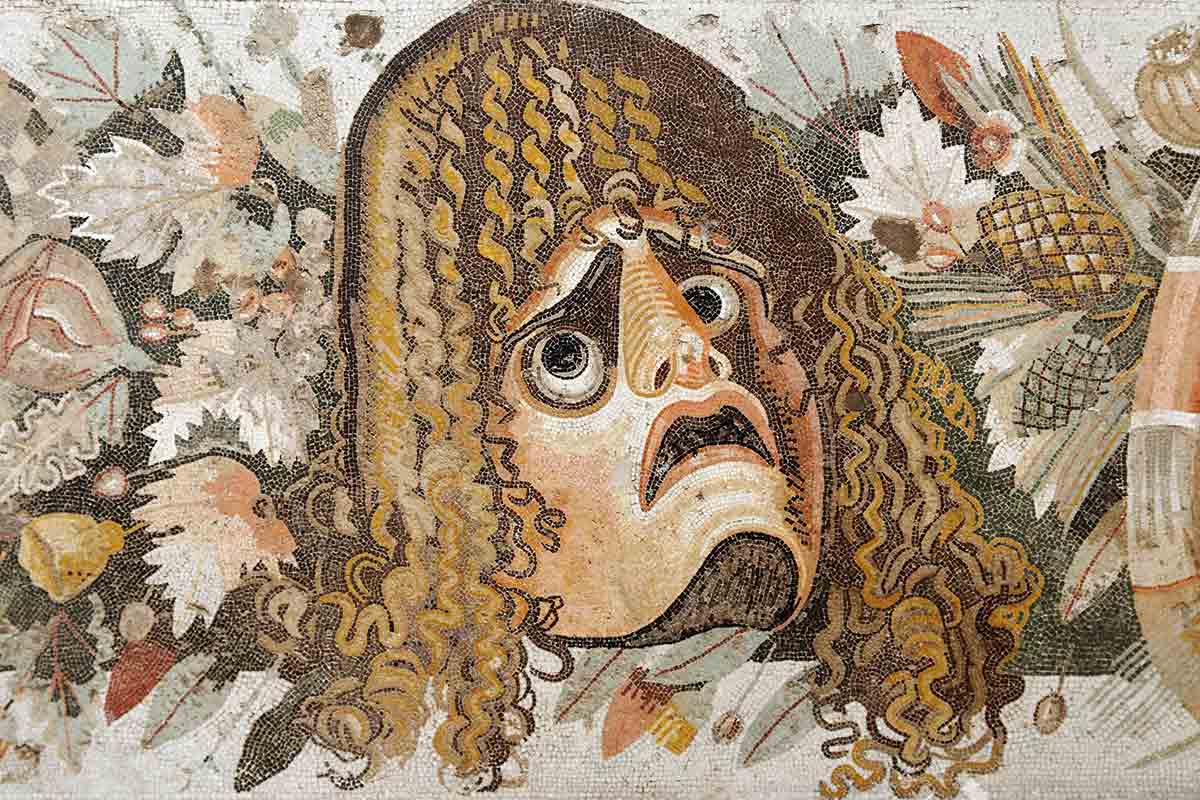
It is noteworthy that the Jews were a literary people. They emphasized the hearing and memorization of God’s Word. This non-visual tradition worked against any attempt to produce Christian theater.
However, the main reason that Christians did not create their own theatrical presentations came from the command in Exodus 20:4 that said, “You shall not make for yourself a carved image—any likeness of anything that is in heaven above, or that is in the earth beneath, or that is in the water under the earth.” The pagans made idols of animals and birds as well as humans and their various gods, but the followers of God would not make a mask of him and portray him in a play.
Conclusion
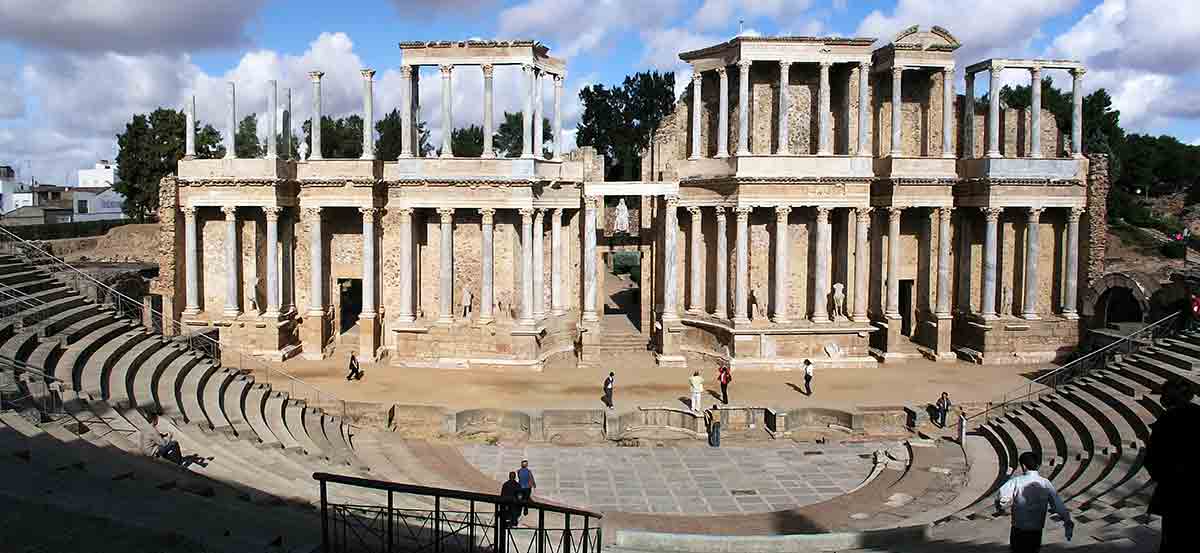
It would be many centuries before Christians began to realize that they, too, could put on plays, ones that would honor God, encourage and teach Christ’s followers, and preach the good news of salvation. The first known Christian play was performed in the 10th century AD. It consisted of a religious dialogue performed during an Easter mass in which Mary Magdalene and two other women found Christ’s tomb empty. The trope is called Quem Quaeritis, Latin for “whom do you seek?” The question an angel asked of the women when they arrived.
By the Middle Ages, performances of dramas based on Biblical stories such as Daniel in the lion’s den and Moses leading the Israelites out of captivity in Egypt, miracle plays that focused on the lives of the saints and Mary, the mother of Jesus, and passion plays about the death and resurrection of Christ were standard fare.