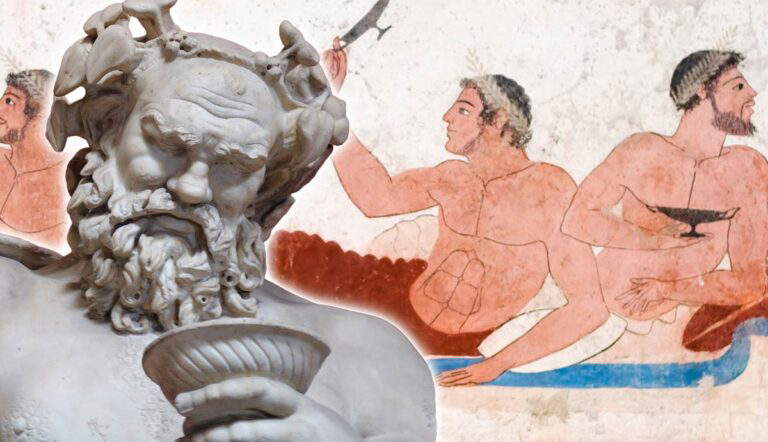
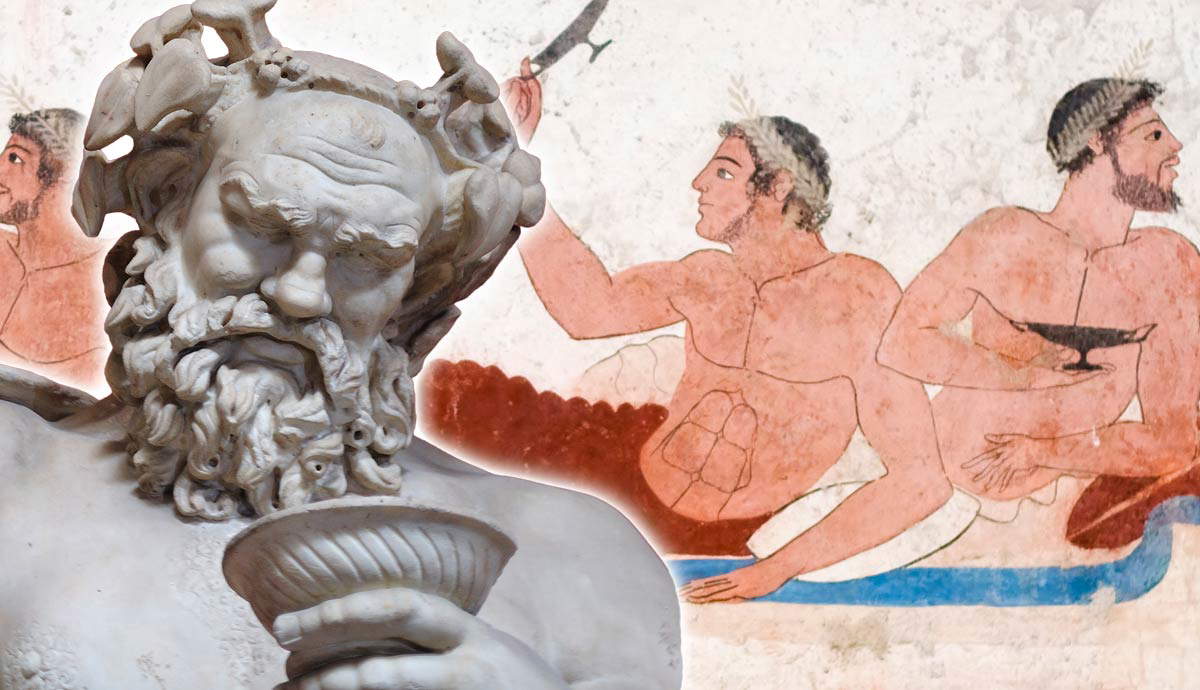
In the Mediterranean world, both today and in antiquity, wine was much more than a simple pleasure. It was a symbol of status, identity, and cultural refinement. From the vineyard-covered islands of the Aegean Sea to the fertile volcanic slopes of Italy, the Greeks and Romans produced wine that would be spoken of not only for decades but for centuries. Certain Mediterranean regions became synonymous with excellence in wine and were written about by many ancient authors from Homer to Pliny the Elder. These wines, sealed in amphorae, were a highly sought-after commodity in trade.
| Wine | Region of Origin | Characteristics |
| Falernian | Mt. Falernus (Campania, Italy) | The “Volcanic Gold.” A high-alcohol, amber white wine that was flammable and could age for 20 years. |
| Chian | Island of Chios (Aegean Sea) | The “Nectar.” A dark, sweet Greek wine produced using seawater to enhance flavor. Known for the Sphinx stamp on its amphorae. |
| Lesbian | Island of Lesbos (Greece) | “Potion of the Poets.” Famous for a floral, ambrosia-like fragrance. Often used as a “perfume” to blend with and improve cheaper wines. |
| Caecuban | Latium Coast (Southern Italy) | The “Lost Treasure.” A prized, intoxicating wine that vanished after Emperor Nero leveled the vineyards to build a canal. |
| Pramnian | Icaria, Smyrna, & Lesbos | The “Medicinal Powerhouse.” A very dry, dark, and strong wine used for disinfecting wounds and as a base for the kykeon cocktail. |
| Surrentine | Surrentum (Southern Italy) | The “Healthy Choice.” A mild, acidic white wine with low sugar. Often prescribed by doctors for patients on diets. |
| Mamertine | Messana (Sicily) | Caesar’s Personal Choice. A rich, balanced wine that gained massive prestige after being served at Caesar’s triumphal banquets. |
Falernian Wine and the Volcanic Gold of Campania
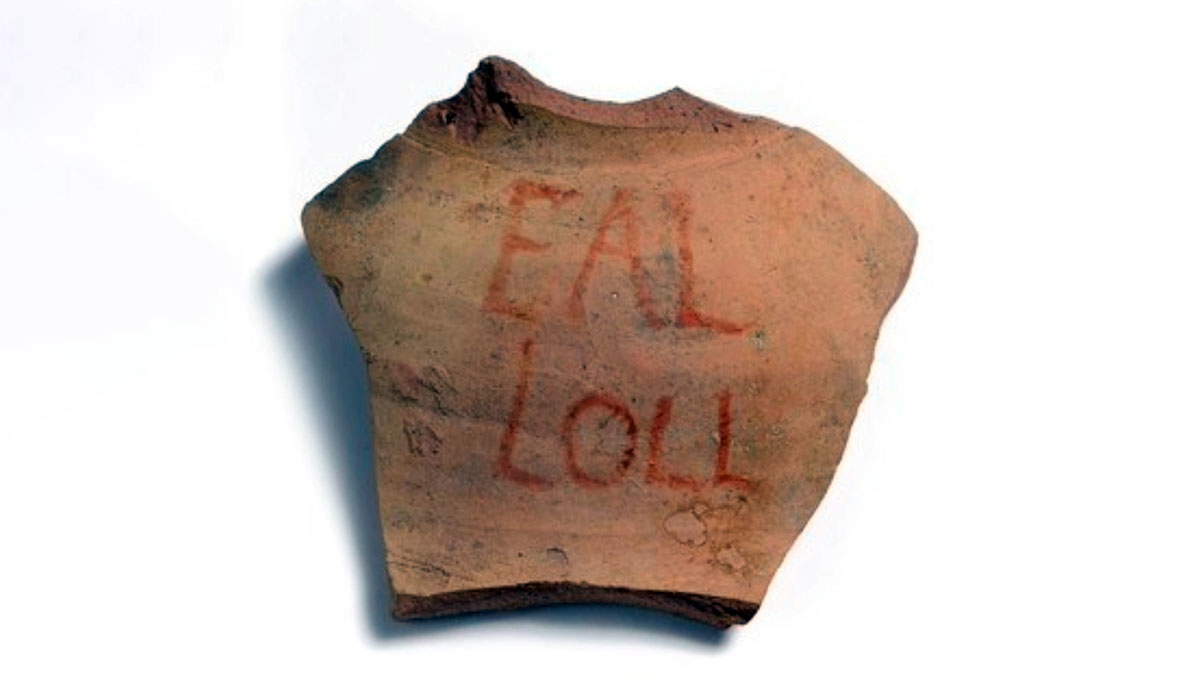
One of their most famous and highly valued wines was produced by the ancient Romans on Mount Falernus in northern Campania. Vineyards in this part of Italy were not what you imagine when you think of Mediterranean vineyards. Although there is no active volcano, Mount Falernus, which today is called Monte Massico, is known for its fertile volcanic soil. This soil gave all crops, especially the grapes used for Falernian wine, a distinctive flavor that some admired and others disliked. For this reason, Falernian wine was often called the “volcanic gold of Campania.”
Falernian wine was a strong, highly intoxicating white wine. With age, it developed a deep amber, almost fiery color. Due to the unique properties of the volcanic soil, it could be stored for a very long time, up to twenty years. It had such a high alcohol content that some contemporaries described it as flammable. Of course, it could not be consumed as such and had to be diluted with water. Due to its reputation and high price, Falernian wine was one of the select few on Caesar’s table, and it also attracted the attention of numerous poets.
“Remember when things are troublesome
to keep an even mind, and likewise in prosperity
Be careful of too much
happiness, mortal Dellius,
Whether you will have lived your time in sadness,
Or whether you might while away merry days
Sprawled out on country meadows
With a mellowed vintage of Falernian.”
Horace, Odes 2.3
The Opimian vintage was the most famous harvest of this wine, produced in 121 BC, and reportedly had around 16% alcohol content, which is higher than most modern wines. Having this wine on the table was one of the greatest status symbols of that time, and it was named after the consul Lucius Opimius, the greatest admirer of Falernian wine.
Chian Wine and the Nectar of the Aegean
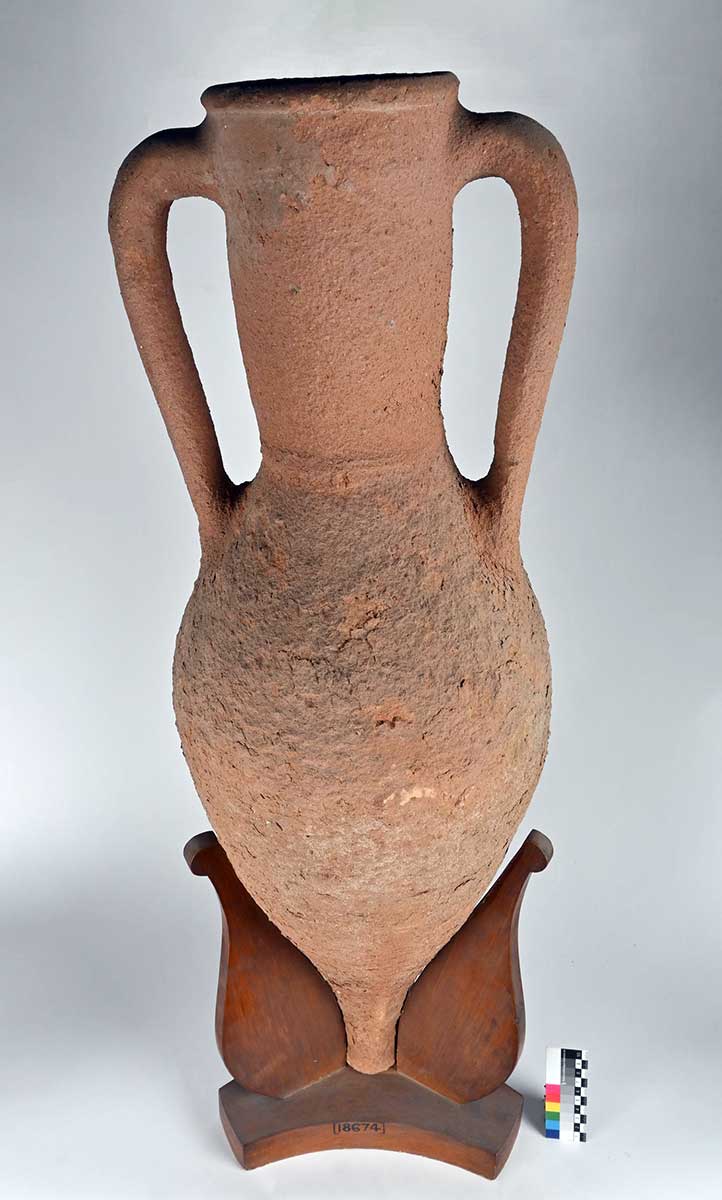
For centuries, Greek trade was based on a few recognizable goods, including pottery, olive oil, and wine. When it comes to wines, the one most exported was Chian wine, and by far the largest importer of this wine was Rome. Chian wine was so popular in Rome that it was served at four different triumphal celebrations, and it was actually the first foreign wine served at Roman triumphs.
Chios was an ideal island for wine production. It had an abundance of sunlight, sea air, and fertile soil. But there were such places in Italy as well, so why did the Romans prefer imported Chian wine? The secret actually lies in the production technique. Vineyard owners on Chios were pioneers of a special technique that was later popularized, and which gave their wine a distinctive character. Namely, they added small amounts of seawater to the wine, which was believed to give it a richer taste and extend its shelf life.
Chian wine had a sweet taste, and unlike Falernian wine, which had to be diluted with water, Chian wine could be drunk on its own. Regardless of its sweetness, this wine had a notably high alcohol content and was very intoxicating. Usually, such wines were light in color, but Chian wine was known for its very dark color, which is why some called it black wine. It was a status symbol, and not everyone could afford it. Poets popularly called it nectar, which is the Greek word for the drink of the gods. For a wine, that is the highest epithet.
Lesbos and the Fragrant Potion of the Poets
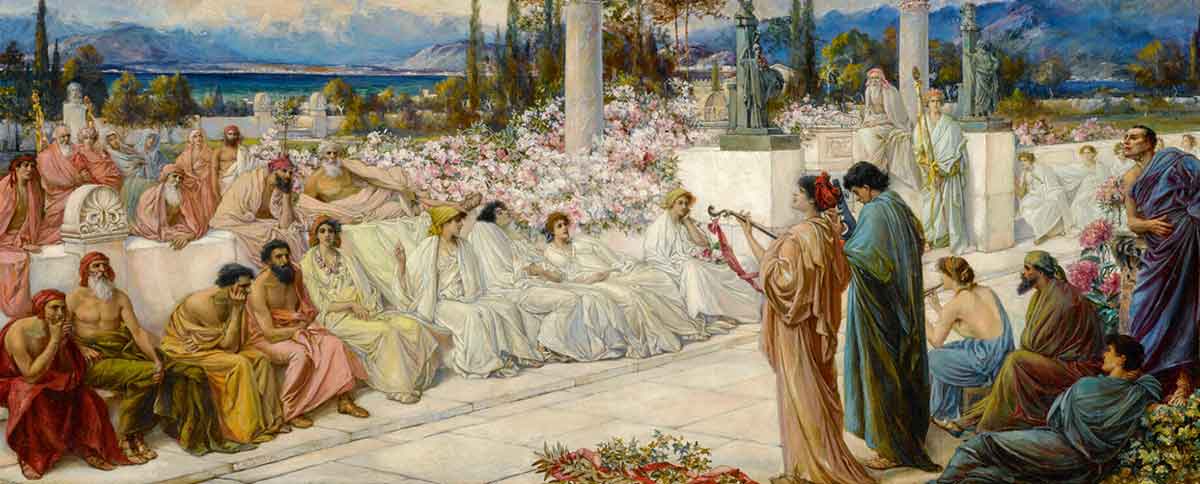
Chian wine’s main rival in the ancient markets was the wine from the island of Lesbos in the northeastern part of Greece. Viticulture here dates back at least to the 7th century BC, when it was first mentioned by the Greek poet Homer. Homer was not the only poet who was attracted to this wine. Sappho lived there around 630–570 BC and was a symbol of lesbian love, sometimes called the tenth Muse. She often alluded to this wine in her verses. For this reason, the wine from Lesbos was often called the “potion of the poets” in later sources, as it was closely associated with poetry, art, and sexual freedom.
At first glance, the wine from Lesbos seemed similar to Chian wine. Like the island of Chios, Lesbos had plenty of sunlight, fertile soil, and sea air. But the wine from Lesbos had one special characteristic, a strong and striking smell, which poets described as floral and sweet. This wine was not the most expensive, but it was considered refined and was popularly known as ambrosia.
The secret of Lesbos wine lies in the method of preparation, which has been preserved until today. Namely, winegrowers from Lesbos, especially from the city of Methymno, left the grapes hanging on the vines until they reached full ripeness. After the harvest, they would stuff the grapes tightly into wooden crates so that the weight of the clusters would crush the grapes beneath them.
Caecuban and the Lost Vineyard of the Latium Coast

Roman poet Horace was very fond of wine. Alongside Falernian wine, he also praised Caecuban wine. He considered it one of the finest Roman wines of the Augustan Age. This wine was made in marshy areas near Fondi and Terracina in southern Latium, not far from the capital of Rome. It was described as a strong and very intoxicating wine, but still somewhat milder and tastier than Falernian. With age, this wine took on a slightly fiery color.
Unfortunately, Horace seems to have “cursed” this wine in his poems, because after his time, it began to lose popularity. Eventually, it disappeared from Roman tables altogether. It is believed that Emperor Nero actually sealed the fate of this wine when he leveled the site of the Caecuban vineyards because he planned to build a naval canal. The canal was never built, and the vineyards were never restored.
Pramnian Wine and the Medicinal Powerhouse
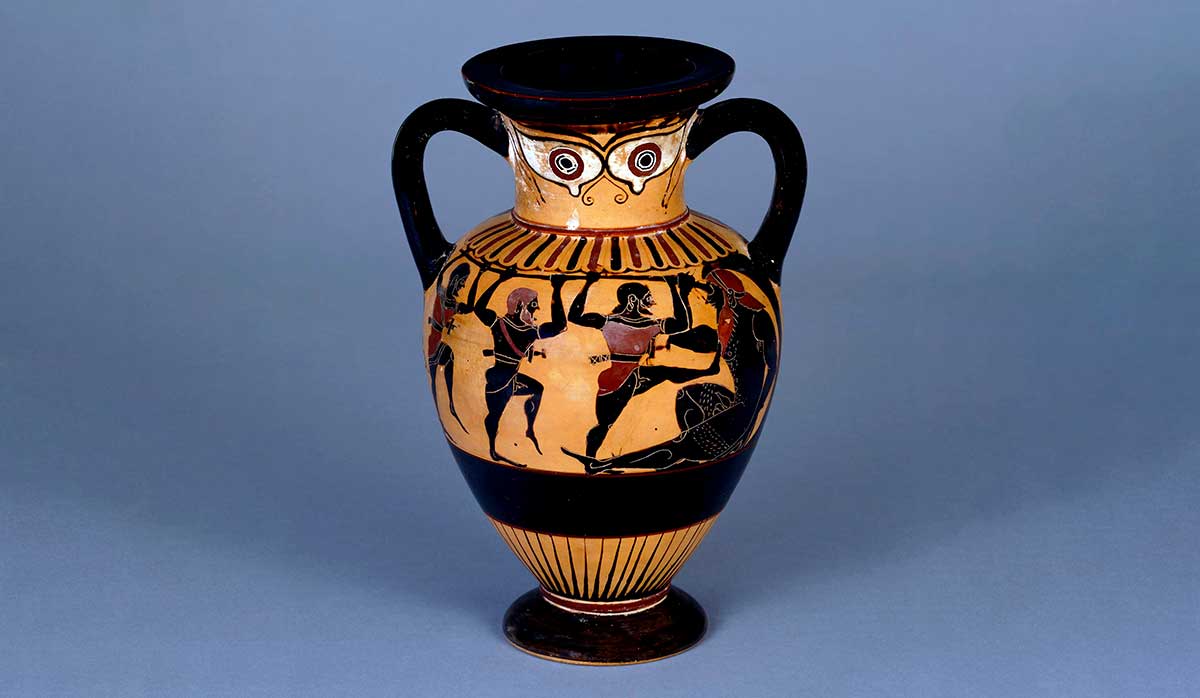
Unlike the other wines on this list, Pramnian wine was not tied to just one place. This term actually refers to a group of high-quality dark wines from ancient Greece, more specifically from Icaria, Smyrna, and again, Lesbos. These wines were dry, extremely strong, and intoxicating, and seldom drunk without being diluted with water.
We don’t know the exact percentage of alcohol, but we do know that it was so high that Pramnian wine was also used for medical purposes, usually for disinfection and pain relief. Because of this, even though it was considered expensive, it was a favorite on the battlefields, as mentioned in Homer’s Iliad and Odyssey.
Surrentine and the Health-Conscious Choice
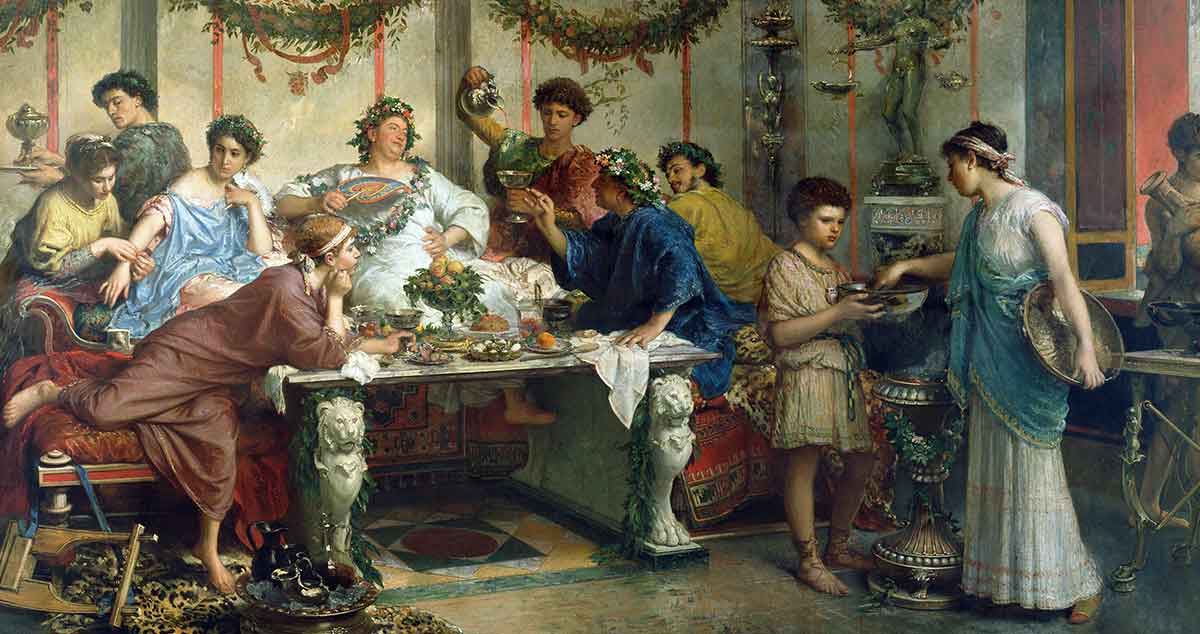
Science has shown that wine, especially red wine, can be healthy in moderate quantities. In ancient Rome, however, there was one wine that was considered healthy, almost regardless of quantity. That was Surrentine wine, the weakest wine on our list by alcohol percentage, especially when diluted with water. Regardless, Surrentine wine was still considered one of the finer wines on Roman tables.
By classification, Surrentine was a white wine and had very little sugar, which gave it a naturally acidic taste. Because of this, it often had to age for years, even decades, before it could be used for drinking. It got its name from the Surrentum region in southern Italy, where this wine was produced. Although it was mild, especially compared to wines like Falernian, Surrentine wine played an important role in Roman banquets. Due to its mild nature, Surrentine wine was considered a healthy choice. Roman doctors even prescribed it to people on diets or to those reducing stronger alcoholic drinks.
Mamertine and the Choice of Julius Caesar

What did Julius Caesar drink? He, like most other Romans, was a great wine lover, and he personally loved Mamertine wine the most. Mamertine was produced in the southeastern part of Sicily, more precisely around the city of Messana. Interestingly, it is one of the few ancient wines on our list that is still produced today, which means you can drink the wine that Caesar himself drank.
Like most wines from Sicily, Mamertine wine was a sweet white wine, but later it began to be produced in both red and white varieties. It is believed that the production of this wine began in the 4th century BC. Mamertine wine was drunk during Caesar’s triumphs, which is when it gained enormous popularity and increased in value. The logic was simple: what Caesar drank became prestigious. It is assumed that even then, Mamertine wine had a rich yet balanced taste and could be aged for a long time.