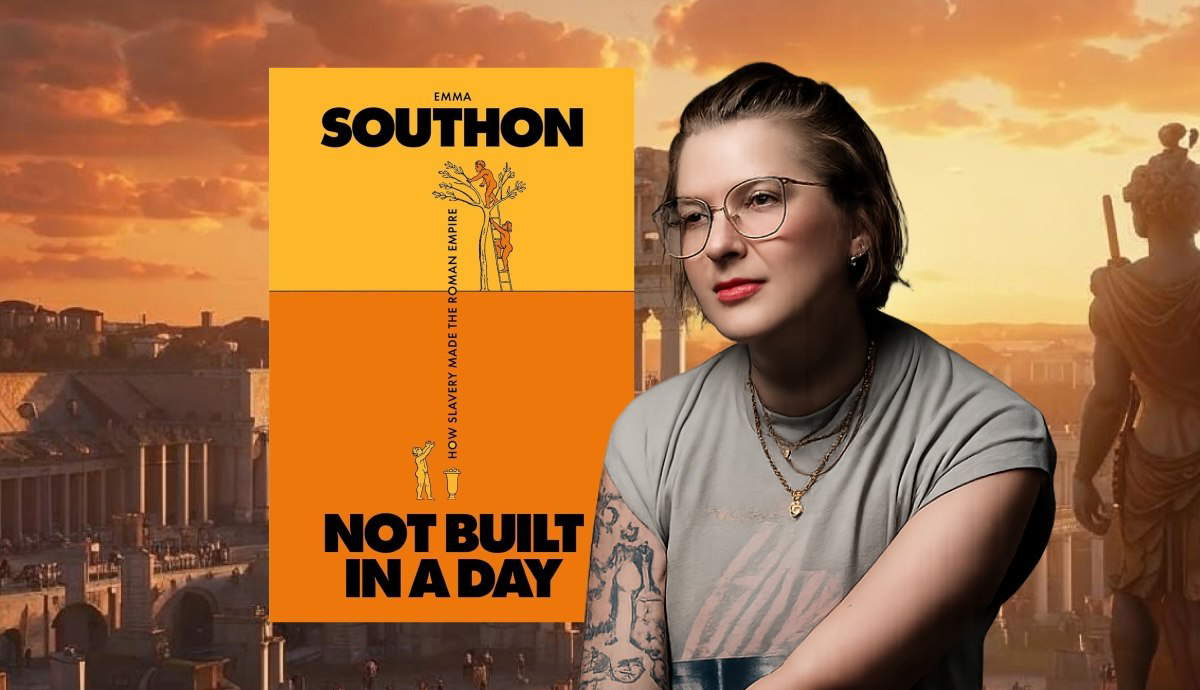
In Not Built in a Day: How Slavery Made the Roman Empire, historian and author Dr. Emma Southon offers a first-of-its-kind exploration of the enslaved people who built and sustained the storied empire. In this interview, we discussed slavery’s central role in ancient Rome and why these stories have so often been left out of history.
The emperors and senators are very much the outliers of what Roman life was like. What if all we had left from 21st-century Britain were Queen Elizabeth and Kate Middleton, and we tried to say that was what life was like? Or if all we had was Jeff Bezos, and we said that was what life was like in 21st-century America?
Slavery in the Roman Empire
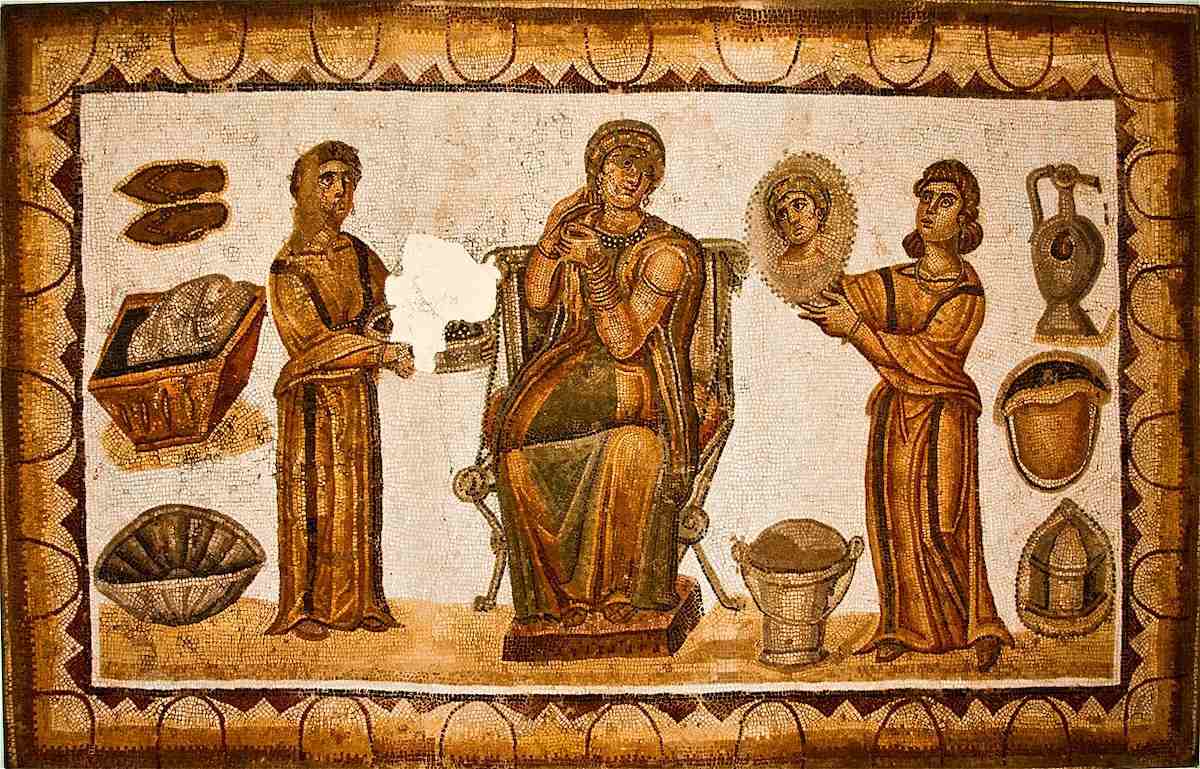
Slavery was integral to the Roman Empire, and enslaved people made up a shockingly large percentage of the population. Unlike more modern race-based slavery, people in ancient Rome were typically enslaved during wars and military conquests. Under Roman law, enslaved people were treated as property rather than citizens with rights. Many were prisoners captured as Rome expanded across Europe and the Mediterranean. Others were born into slavery, as children inherited the status of their enslaved mothers.
The scale of Roman slavery is huge. The empire cannot exist without it. It is so profoundly embedded in every part of the empire and the culture of being Roman that I wanted to show just how vast it is.
Not Built in a Day Hits U.S. Shelves on June 30
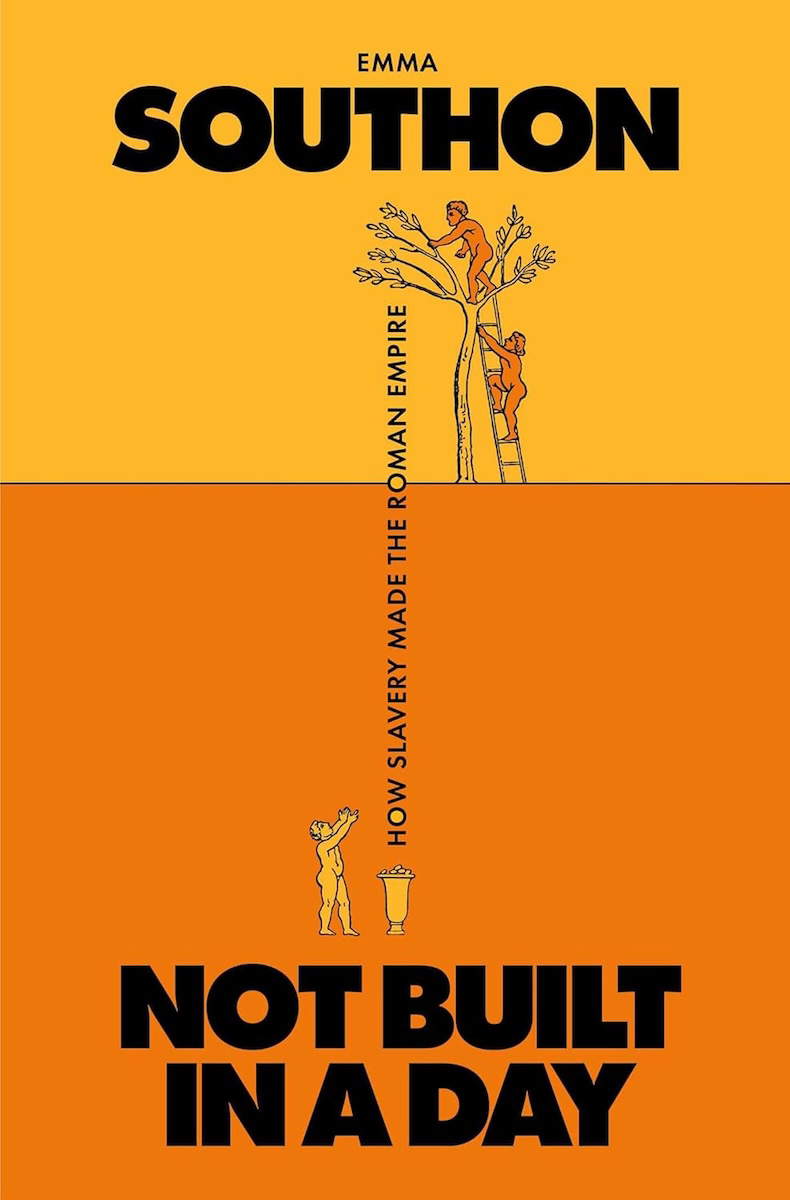
With expertise, empathy, and the occasional dash of dark humor, Dr. Southon’s work—including books like A Rome of One’s Own: The Forgotten Women of the Roman Empire and her podcast History Is Sexy—champions the untold stories of marginalized Romans. Her latest book sheds light on the experiences of enslaved people, reconstructing their lives through material evidence often overlooked in traditional tellings of Roman history.
Published by Simon & Schuster in the U.S., Not Built in a Day: How Slavery Made the Roman Empire is available from June 30, 2026. The book is also available in the U.K. as Servus: How Slavery Made the Roman Empire.